
Brown Bag Films launches Bad Pencil Animation to target adult animation with new genre slate
The Emmy-winning kids animation company is betting comedy, horror, and drama can travel upward to grown-up audiences.
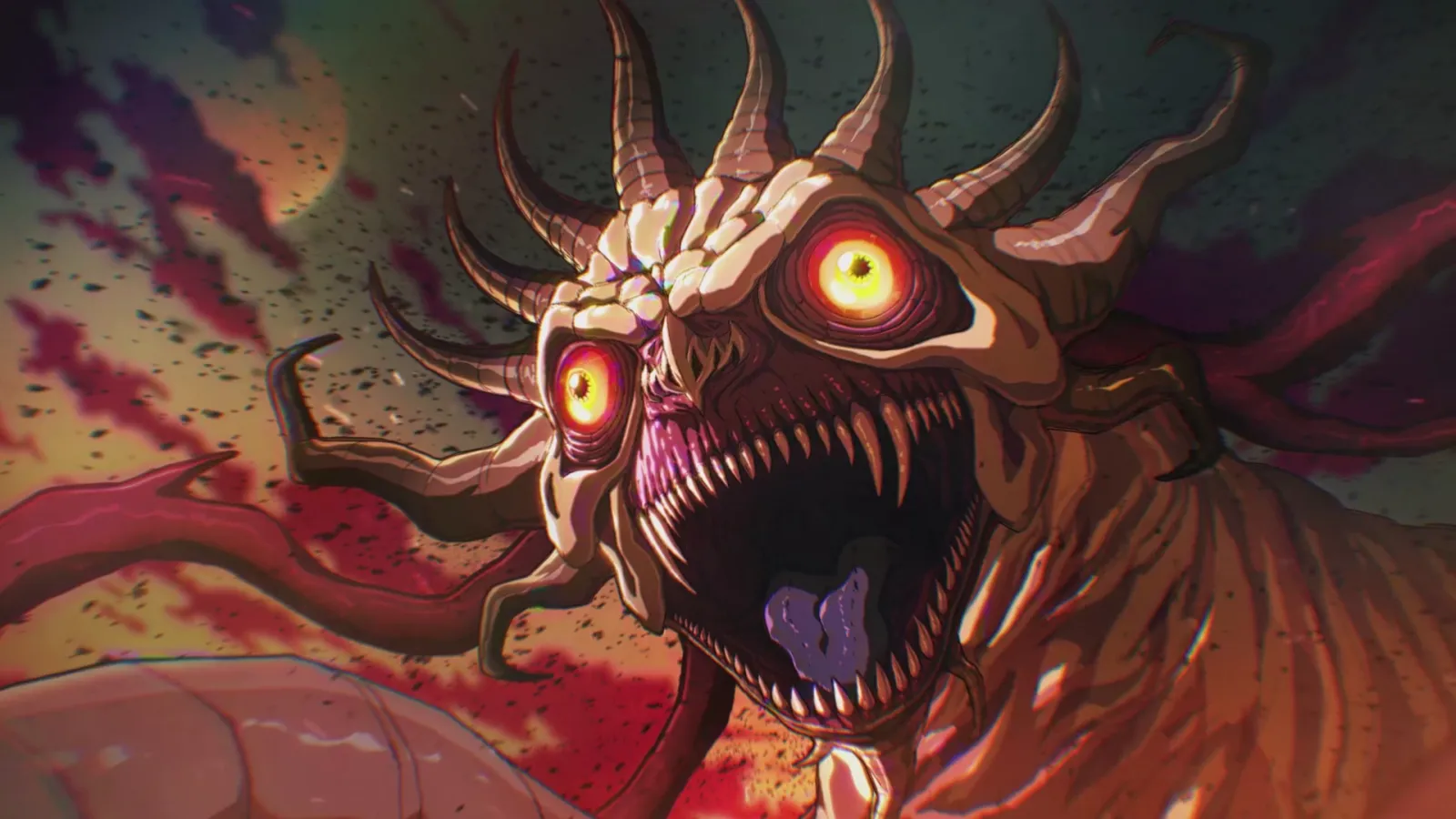
Brown Bag Films, the Emmy-winning producer behind Doc McStuffins and Bing, has launched a new label called Bad Pencil Animation for adult-focused animated projects. The move signals how established kids studios are repositioning their creative and production engines to chase new audience segments.
Brown Bag Films is stepping off the kids animation track and into adult programming with a brand-new label: Bad Pencil Animation. Deadline reports this is an “exclusive” launch, positioning Bad Pencil as the vehicle to make animated shows for grown-ups across comedy, horror, and drama.
If you know Brown Bag Films from its earlier work, this is the through-line that matters. Brown Bag is described as the Emmy-winning producer of Doc McStuffins and Bing, two titles that have made the company synonymous with younger viewers. Bad Pencil, Deadline says, is the company’s new play for older audiences, meaning Brown Bag is not just dabbling in a different tone, it is building a dedicated brand architecture for it.
Why launch a separate label instead of simply making adult shows under the same umbrella? In media, brand is a delivery system. “Brown Bag Films” in the public imagination is a kids animation signal. Adult animation audiences and rights buyers often expect different packaging, different marketing rhythms, and different guardrails, even when the animation craft is the same. A label like Bad Pencil can also help internal teams focus. Writers and directors who pitch comedy with edge, or horror and drama that can carry heavier themes, may work better inside a structure designed to greenlight that kind of content.
There is also a business incentive hidden inside the creative one. Deadline’s piece notes that Brown Bag is responsible for “scores of animated shows for younger viewers.” That implies both scale and a proven workflow. When a studio has a large pipeline, it can either keep harvesting the same demand or diversify into adjacent markets. Adult animation is an adjacent market with different demand drivers. It typically requires content that can justify attention in a fragmented entertainment environment, where viewers have endless options and limited patience.
And fragmentation is exactly the kind of environment where labels and slates become strategic capital. Executives in content industries think in portfolios, not single projects. An adult-focused label can function like a risk compartment. If one adult property underperforms, the kids brand is still insulated, and the company can recalibrate without burning the equity it built with younger audiences. On the other hand, if a horror or comedy animated series finds traction, it can create a second production engine that broadens revenue and licensing opportunities.
There is a regulatory and governance angle too, even when the story is about animation. Adult animation still operates inside the same broadcasting and platform-adjacent reality as any other scripted content, which means distribution partners and ratings expectations influence what gets made and how it is marketed. Kids animation tends to be constrained by tighter assumptions about audience safety and suitability. Adult animation has more creative latitude, but that latitude comes with a need for clearer content boundaries. A dedicated label signals to partners and stakeholders that the creative and compliance posture is intentionally adult-oriented.
Second-order implications for boards and investors follow from that positioning. If Brown Bag can transfer its Emmy-backed production capability to adult genres like comedy, horror, and drama, the company may be able to stabilize cash flow across market cycles. Kids animation demand can be resilient, but it is not immune to shifts in platform commissioning behavior. Adult audiences also shift, but the commissioning logic is different. Diversifying the audience base can reduce the concentration risk that comes from being “known for” one demographic.
For executives at peer companies, the quiet takeaway is that upward migration is becoming less taboo. Deadline’s report frames Bad Pencil as an “eye on older audiences.” That phrase is modest, but the structure is not. Launching a label is a commitment device. It tells the market that Brown Bag is willing to invest in development, talent alignment, and a repeatable slate strategy aimed at grown-up viewers, not just a one-off experiment.
For decision-makers tracking where the next wave of animated content demand might come from, this is the story to watch: Brown Bag Films is using its kids animation credibility, Emmy track record, and production scale as the base layer, then building Bad Pencil Animation as the vehicle to pursue new genres and new viewers. In a market where attention is expensive and genre fit is everything, that kind of deliberate repositioning can matter more than the first trailer or first greenlight.
This story's Key Insights and Take-aways are locked.
Create a free account to unlock Executive Actions for one credit.
Register to UnlockAlways free for Executives Club members. Join the Club
More in Entertainment

Mohamed Salah powers Egypt’s first-ever World Cup win, then almost gets the record
Egypt rallies past New Zealand 3-1 in Group G as Salah hits his 68th goal and moves within one of Hassan’s mark.
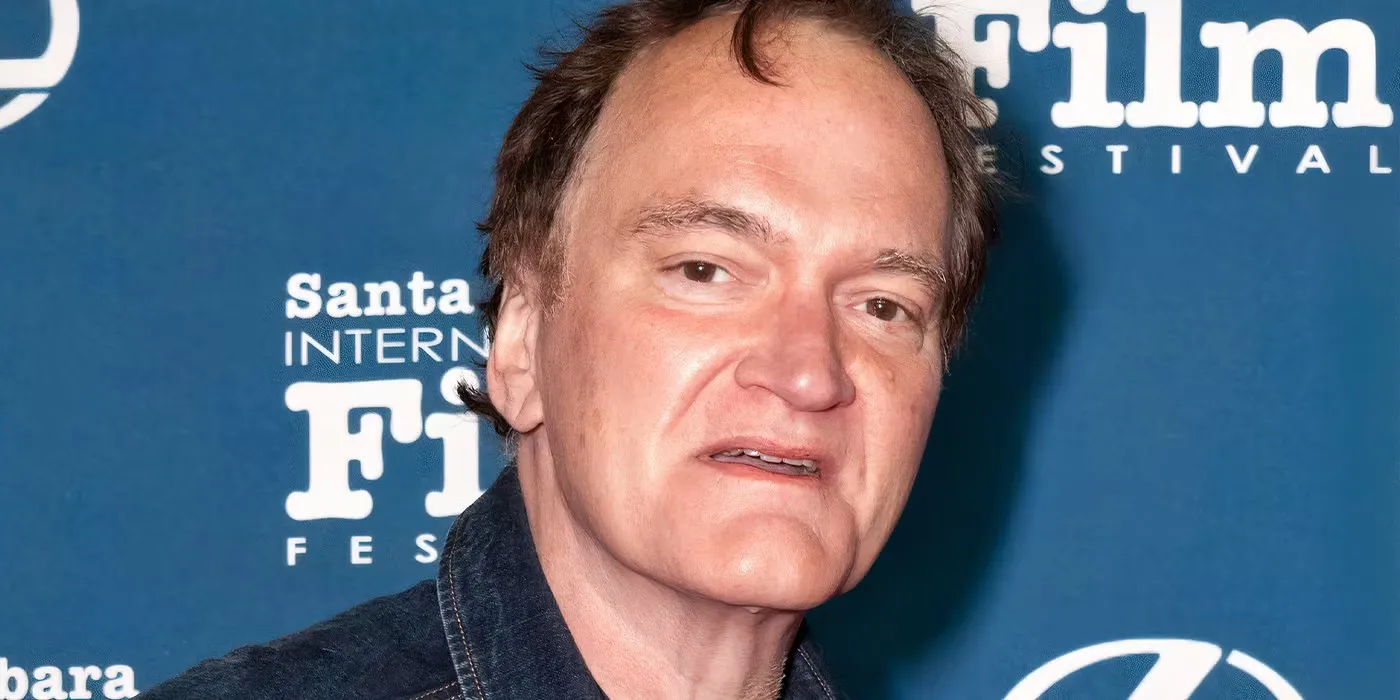
Quentin Tarantino starts filming in Wales with Kylie Minogue and Jason Isaacs
The final-feature timeline gets real, and the Tarantino orbit pulls major talent into a high-attention production cycle.

Tom Holland says Robert Downey Jr. called first about Doctor Doom casting
The Spider-Man star confirms the timing, what he learned, and why it matters for MCU spoilers and fan expectations.