
Bruce Springsteen joins Public Enemy, Sheryl Crow, Jon Bon Jovi at final Songs That Shaped Us
Two nights at OceanFirst Bank Center in Monmouth, New Jersey turned 250 years of American music into a star-studded live audit.
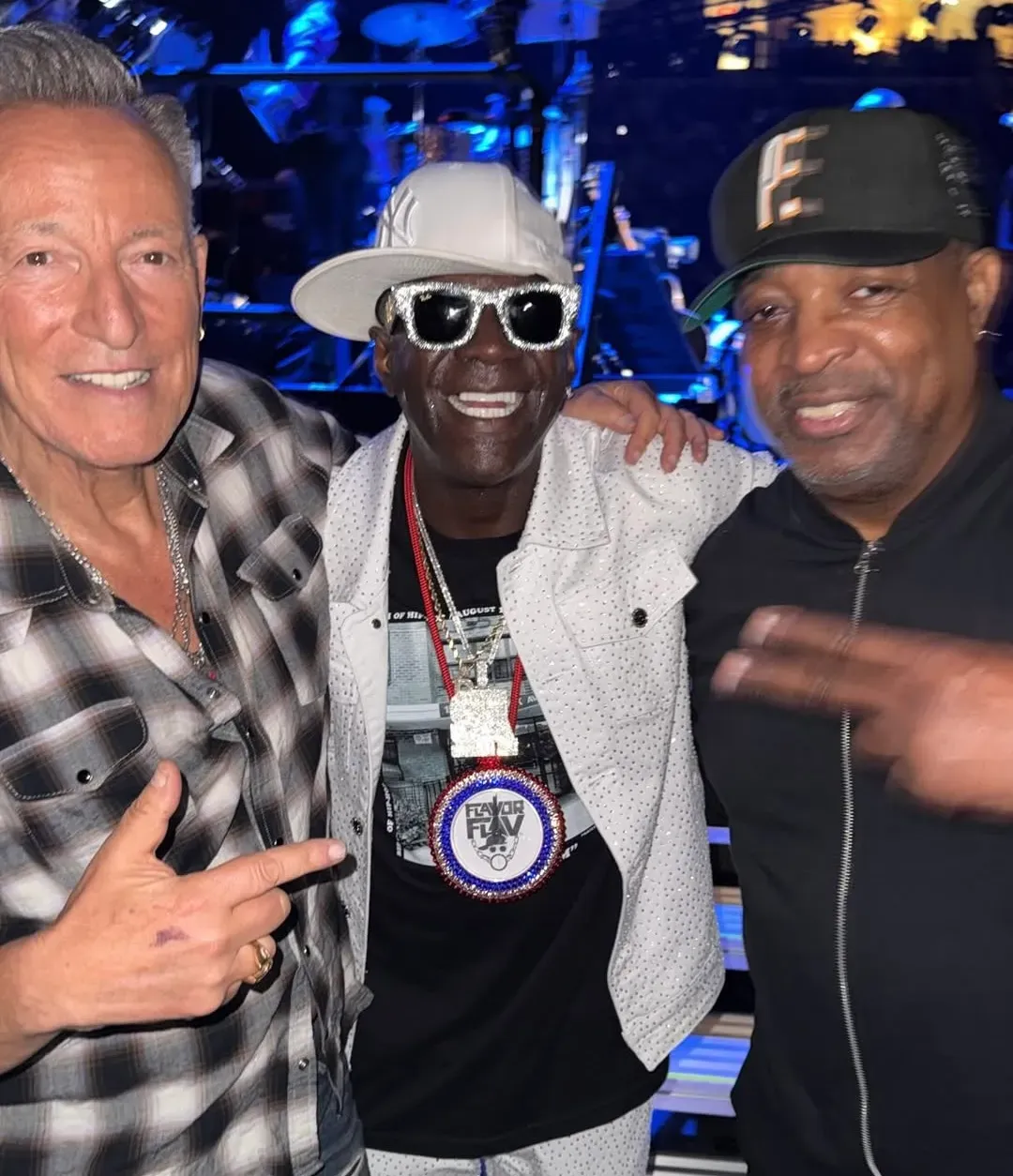
Bruce Springsteen headlined the second and final night of Music America: The Songs that Shaped Us at OceanFirst Bank Center in Monmouth, New Jersey. The lineup paired him with Public Enemy, Sheryl Crow, Jon Bon Jovi, Dropkick Murphys, and more, underscoring how major brands and legacy acts can program culture at scale.
Last night, Bruce Springsteen covered American classics at the second and final night of Music America: The Songs that Shaped Us, a two-day concert celebration of 250 years of American music at the OceanFirst Bank Center in Monmouth, New Jersey. The event moved through centuries of American music, starting with tributes to Robert Johnson, Hank Williams, and Woody Guthrie before jumping to later icons including Elvis Presley, Chuck Berry, Dion DiMucci, and Public Enemy. This was not a casual showcase. It was a carefully sequenced “who built the sound of America” timeline performed live, with Springsteen in the center of the story.
The key moment for decision-makers is the way the program stitched together mainstream rock, hip-hop, and punk-leaning energy into one continuous brand narrative. Springsteen’s public move to cover American classics alongside artists like Sheryl Crow and Jon Bon Jovi, plus groups like Dropkick Murphys, signals how legacy star power can function like cultural infrastructure. You are not just watching performances. You are watching a coalition of fanbases, generations, and music genres get coordinated in a single venue, in a single time window, over two days.
For context, events like this tend to succeed for the same reason big campaigns succeed: they reduce complexity for the audience while amplifying relevance. A viewer who may not know every early reference is still anchored by recognizability when the set moves toward Elvis Presley, Chuck Berry, Dion DiMucci, and Public Enemy. And a longtime fan gets more than nostalgia. They get validation that their musical timeline matters, because the lineup places certain artists in the foreground of “American music” rather than treating them as background.
There is also a real second-order implication for organizations that touch media, venues, and live experiences. Programming across genres and eras can broaden monetization surfaces. More genres means more overlapping communities that are more likely to attend, share, and return for future programming. Even though this specific recap is about the second night and mentions the broader two-day celebration, the structure described in the source is clear: the show begins with earlier icons such as Robert Johnson, Hank Williams, and Woody Guthrie, then escalates toward contemporary cultural touchpoints like Public Enemy. That pacing mirrors how networks and brands often manage attention, starting with foundation, then moving to modern stakes.
From a risk and operations standpoint, a multi-artist, multi-genre concert also functions like a stress test for coordination. When an event spans centuries of American music and includes major names like Bruce Springsteen, Sheryl Crow, Jon Bon Jovi, and Dropkick Murphys, the production demands are not trivial. Each performance requires scheduling precision, technical alignment, and audience flow management. In other words, the “creative” part is inseparable from the “systems” part. The fact that this was the second and final night suggests it landed within a short delivery window, which typically requires tight execution.
Now, zooming out to why this matters for executives beyond music fans: culture is becoming a repeatable operating model. When established figures publicly cover and collaborate across genres, it creates a content flywheel for promotion and reach. The source describes tributes and then the move to more contemporary icons, which is exactly how live entertainment can keep a brand or institution feeling current without pretending the past is irrelevant. For boards and operators, the lesson is less “celebrate songs” and more “build programming that connects eras without breaking the audience’s mental model.”
The strategic stake here is what similar decision-makers will copy next time. If Music America: The Songs that Shaped Us can pack 250 years of American music into a two-day, multi-headliner format, then other venues, brands, and event producers can treat legacy content as a live strategy rather than a museum exhibit. Springsteen’s presence, in particular, reinforces a credibility signal: this is not a novelty booking. It is an attempt to curate a shared national soundtrack with mainstream gravitational force.
And the final night framing matters, because it turns “a concert” into “a completed arc.” The recap emphasizes that last night was the second and final night, and that the celebration had already spanned earlier tributes before arriving at the more contemporary constellation including Elvis Presley, Chuck Berry, Dion DiMucci, and Public Enemy. When an event is structured as a two-night story, it can drive repeat attention within the same week, which is often harder to achieve than one-off concerts. The payoff is an audience that feels like they participated in something bigger than a single setlist.
This story's Key Insights and Take-aways are locked.
Create a free account to unlock Executive Actions for one credit.
Register to UnlockAlways free for Executives Club members. Join the Club
More in Entertainment

Christopher Nolan’s “The Odyssey” posts his biggest Tuesday haul, surpassing “The Dark Knight’s” record
The film’s Tuesday breakout reframes Nolan’s box-office ceiling and forces competitors to rethink timing, budgets, and release strategy.

Kacey Musgraves cancels Aug. 20, 29, Sept. 2 Middle of Nowhere shows
Ticketmaster emails are telling fans refunds are coming, while the tour still starts Aug. 21 in Chicago.

Billie Joe Armstrong launches Epiphone Les Paul Junior and Marshall 1959BJA signature gear
Two limited releases turn decades of Green Day’s tone into branded hardware, including Marshall’s first artist amp in 14 years.