

Bub turns chronic illness into stop-motion gameplay, asking artists to slow down
Case Jernigan and Todd Anderson build an autobiographical game where chronic illness changes how art, memory, and dreams render.

Bub is an autobiographical game about the devastating effects of chronic illness on an artist’s creative life, created by artist and stop-motion animator Case Jernigan and built into a playable experience by coder and gameplay designer Todd Anderson. For decision-makers in games and media, it signals where “player experience” is going, and why authenticity and pacing are becoming competitive advantages.
Bub does not look like a traditional video game, and that is the point. It is an autobiographical experience about the devastating effects of chronic illness on an artist’s creative life, built to let players slow the pace down instead of rushing through it. In this game, your job is not only to make art. You also get pulled into early memories and imaginative dreams as the story moves through present-day New York City and then back into childhood and other visions.
At the center of Bub is Case Jernigan, an artist and stop-motion animator who spends hours, days, and months in his studio drawing, painting, and delicately cutting out pieces of collected paper. Todd Anderson, described as a coder and gameplay designer, then does the hard translation from studio work to playable systems, using scripts and physics simulations to make those paper-cut creations feel like a game world. The result is stop motion on purpose, not as a cosmetic style, but as the gameplay language that matches how the artist’s life feels when chronic illness reshapes time and energy.
For operators and investors, Bub offers a useful reminder: “immersion” is not always about hyper-visuals or speed. Sometimes it is about friction. Chronic illness, by definition, can impose constraints, and Bub leans into that reality by shaping the player experience around making, pausing, and revisiting rather than sprinting forward. Even without a single stat in the source, the design intention is clear in how the medium is built. Stop-motion animation and the physical act of cutting paper naturally resist instantaneous production, and Bub embraces that resistance as part of the narrative.
The split of labor matters too. Jernigan is doing the long-form, hands-on art process, while Anderson is building the code that turns that process into something interactive. In business terms, that is a classic pipeline, but Bub treats the pipeline itself as story. You can feel the gap between creation and simulation, between what happens in a studio and what happens on a screen. That second-order effect is important: when the visuals come from a painstaking real-world workflow, the game can credibly claim a different kind of “authenticity,” because it is not purely generated content. It is translated content.
Bub also frames storytelling as sense-making, not just chronology. Anderson explains that the game goes “from present day New York City into his childhood,” and that the visions are “all rendered in stop motion.” His story is told in the present day, but also “how he’s making sense of his past.” That structure is more than an artistic flourish. It changes how players behave emotionally. Instead of asking players to chase outcomes, it asks them to inhabit perspective: how memories are constructed, how dreams arrive, and how the present tries to interpret the past.
If you are thinking like a board member, the strategic stake is not merely “will this sell.” It is whether studios can compete on experiences that feel lived-in, even when they are built with constraints. The source emphasizes that Bub is autobiographical and centered on the “devastating effects of chronic illness.” That theme raises the question of audience trust. Players can tell when a story is being used as aesthetic dressing. Bub, at least as described here, ties theme to form, because stop-motion and paper craft are the mechanics of the medium. When theme and mechanics align, the work is harder to dismiss as trend-chasing.
Regulation might not be the first thing you associate with stop-motion indie storytelling, but there is a regulatory shadow over games more broadly: platforms, ratings systems, and content policies increasingly shape what can be published and how it is marketed. While the source does not mention any specific regulator or policy for Bub, the general reality is that themes involving health and distress can affect age ratings, storefront descriptions, and how developers need to think about player expectation. Bub’s choice to slow the pace down also functions as a kind of expectation management. It signals, from the moment you engage, that this is not a combat game or a speed-run experience. It is a reflective one.
Second-order implications for people who fund or build similar projects: authentic autobiographical narratives often demand more production time, not less, because the medium choices carry the weight of lived experience. In Bub, the timeline is explicitly measured in “hours, days, months,” which hints at a development reality where iteration is not just software engineering but also art production. That can influence budgets, staffing, and release schedules. For strategic peers, the lesson is not to copy Bub’s format. It is to recognize that pacing, craft, and constraint can be product features, and that doing so may be a competitive response to an audience that is tired of being rushed.
This story's Key Insights and Take-aways are locked.
Create a free account to unlock Executive Actions for one credit.
Register to UnlockAlways free for Executives Club members. Join the Club
More in Entertainment
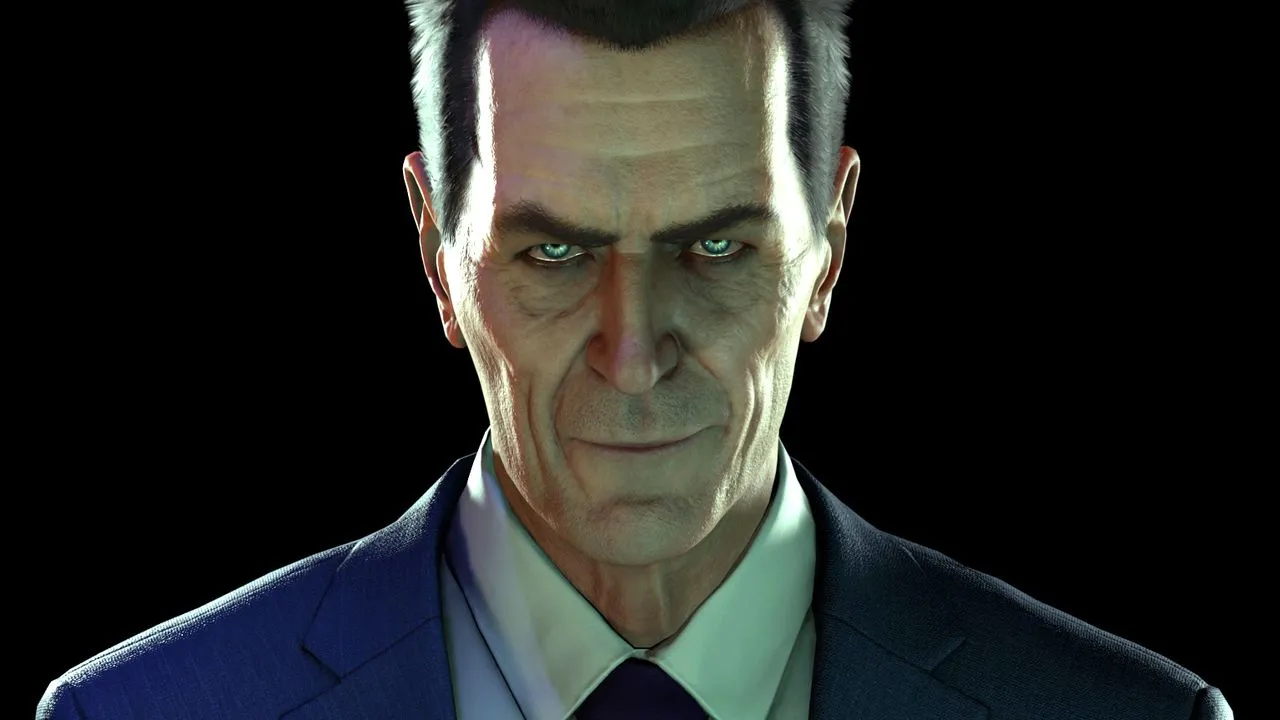
12TB Steam 'teraleak' goes beyond Valve: GTA 3, Mafia 2 prototypes exposed
A 12-terabyte dump of Steam data reveals prototypes and builds of third-party classics like GTA 3 and Mafia 2, plus unreleased Valve content, rewriting game history.

LinkedIn's romance problem: 1 in 4 workers say dating on it is fair game
A new survey shows a quarter of U.S. employees treat the professional network as fair game for romance, even as LinkedIn bans it and removes hundreds of thousands of offending posts.

Enhypen's first No. 1 album breaks K-pop's Billboard 200 streak
The K-pop group's 98,000-unit debut tops the chart while Dolly Parton's catalog reentry shows how death reshapes streaming.