
Burnham rules out early election, saying he will stick to Labour’s 2024 manifesto
What Burnham’s refusal to call an early vote could mean for markets, policy timelines, and party strategy.
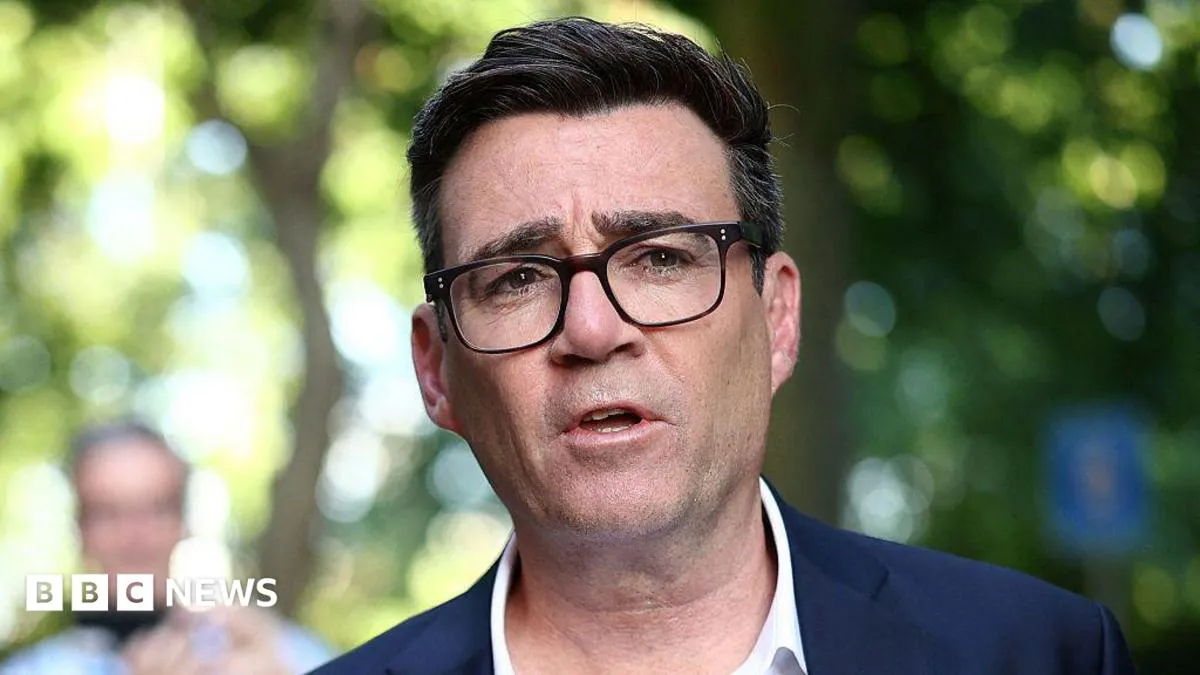
Burnham, the newly elected MP for Makerfield, is expected to become PM this month and says he will stick to the 2024 Labour manifesto. Decision-makers should expect policy continuity rather than campaign-driven disruption on a short timetable.
Burnham, the newly elected MP for Makerfield, says he will not call an early election, even as he is expected to become PM this month. In the same breath, he also committed to sticking with the 2024 Labour manifesto.
That combination matters because early elections are not just political drama. They are schedule shocks. Governments that bring elections forward can scramble legislative calendars, procurement plans, and the timing of regulatory consultation. Burnham is signaling the opposite: a preference for sticking to the policy program already laid out in the 2024 Labour manifesto, rather than using a shorter timeline to reset public pressure.
To understand why this is a big deal, you have to remember how political time feeds business time. In most systems, policy moves in waves. A government sets direction, drafts legislation, consults stakeholders, and then implements through agencies and regulators. When an election is pulled forward, that pipeline can get paused or rewritten because lawmakers and departments start optimizing for electoral risk. Even when nothing changes formally, the uncertainty itself can delay decisions. Boards may postpone investments, hire slower, or renegotiate risk assumptions because the “next government” variable becomes more prominent.
Burnham’s stance points to a steadier runway. If he is expected to become PM this month, sticking to the 2024 Labour manifesto suggests that the government will try to execute what it already promised, rather than treat the manifesto as flexible campaign material. That tends to lower the number of moving parts for outside stakeholders who watch policy sequencing as closely as policy content. Think of it as the difference between a company shipping on a known product roadmap versus repeatedly revising the roadmap after every leadership meeting.
There is also a party-strategy angle. A refusal to call an early election can be read as a calculated bet on staying power: the idea that the governing team can spend political capital on delivering policies, not constantly defending them. In practical terms, that can reduce internal churn. When parties go early, the coalition around the leader can harden into factions, because everyone is focused on winning the next contest rather than governing through the middle of a term.
For regulators, the impact is even more direct. Regulatory bodies often build schedules around government priorities. Consultations, impact assessments, and rulemaking deadlines do not just appear from nowhere. If the political leadership seems likely to remain aligned with the 2024 Labour manifesto, regulators can plan with fewer abrupt reversals. That does not guarantee calm outcomes, but it does reduce the chance of a policy spring-clean that resets everything at the last minute.
Markets and operators, meanwhile, care about predictability because budgets do not run on vibes. When an election date shifts suddenly, expectations shift too. Investors and lenders price not only the “what,” but also the “when.” A government that chooses not to trigger an early vote is implicitly telling the system that timelines will be measured in months, not weeks. Burnham’s message, therefore, is as much about cadence as it is about content.
The second-order implication for executives and boards is straightforward: planning discipline becomes easier, and that changes what you can responsibly commit to. When policy timing is stable, boards can justify longer-horizon bets and operational commitments. They can also structure government-facing strategies, like stakeholder engagement and compliance roadmaps, around the policy direction already referenced in the 2024 Labour manifesto.
None of this means every policy will land smoothly. But Burnham’s decision to rule out calling an early election, paired with his pledge to stick to the 2024 Labour manifesto, is a clear attempt to keep the governing machine pointed forward rather than turning it toward an immediate campaign. If he truly is expected to become PM this month, the next few weeks will likely be about translating manifesto promises into administrative steps that can survive the political weather.
This story's Key Insights and Take-aways are locked.
Create a free account to unlock Executive Actions for one credit.
Register to UnlockAlways free for Executives Club members. Join the Club
More in Politics
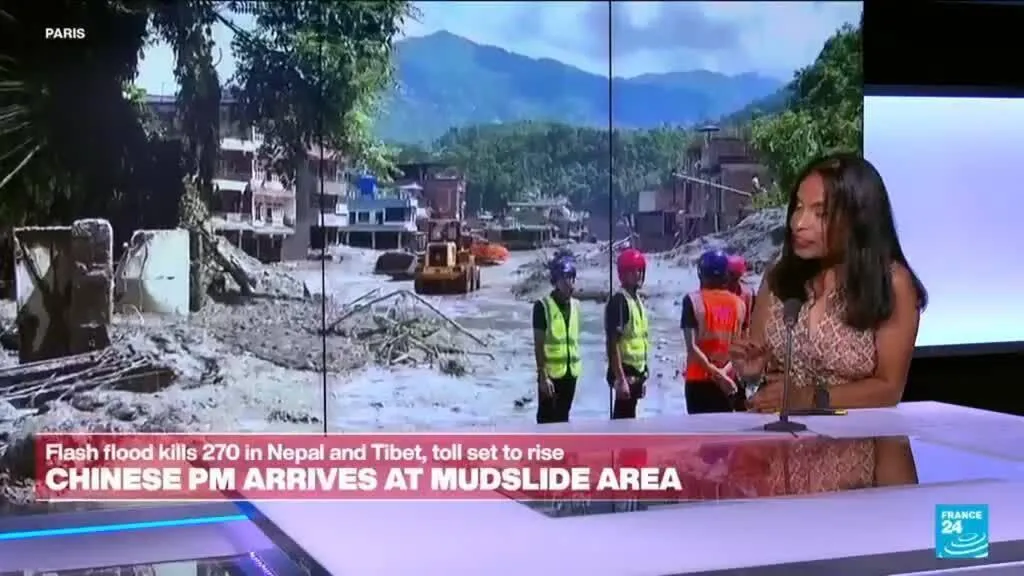
Glacial collapse, not rain, killed 180 in Nepal's Himalayan flood
The Himalaya's extreme geography hid the true cause of Nepal's catastrophic flood, a glacial collapse that turned a geological battleground into a mass-casualty zone.
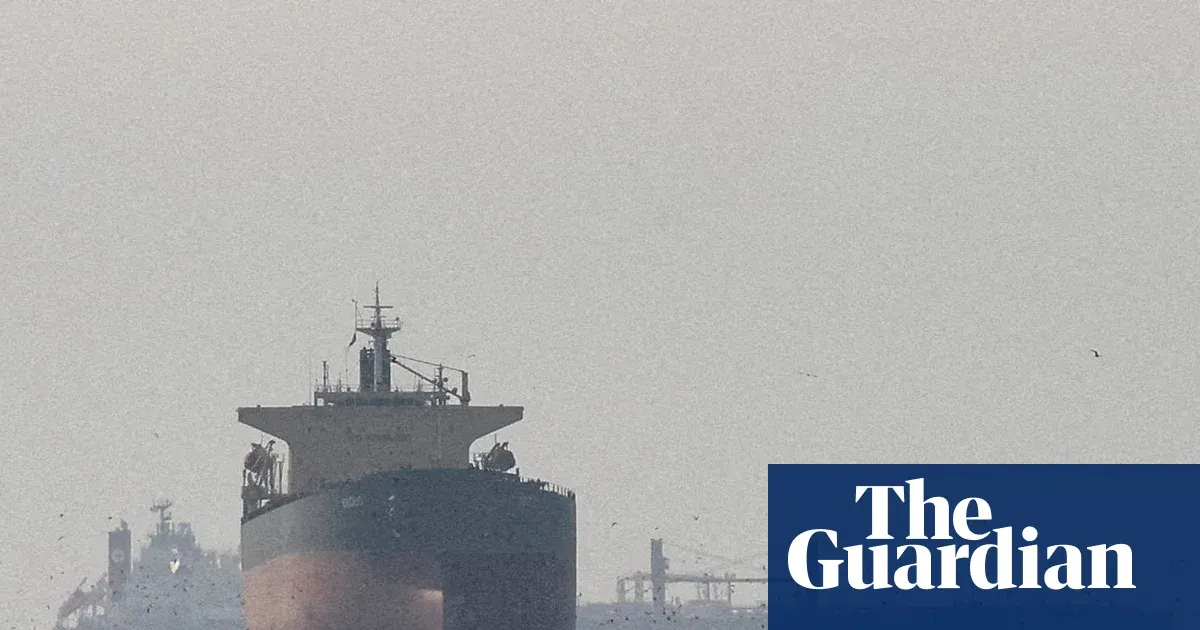
Iran’s Esmail Baghaei says Oman talks start shipping via Hormuz, not US talks yet
Temporary route plans with Oman aim to restart commerce while Tehran says Washington dialogue is not on the table.
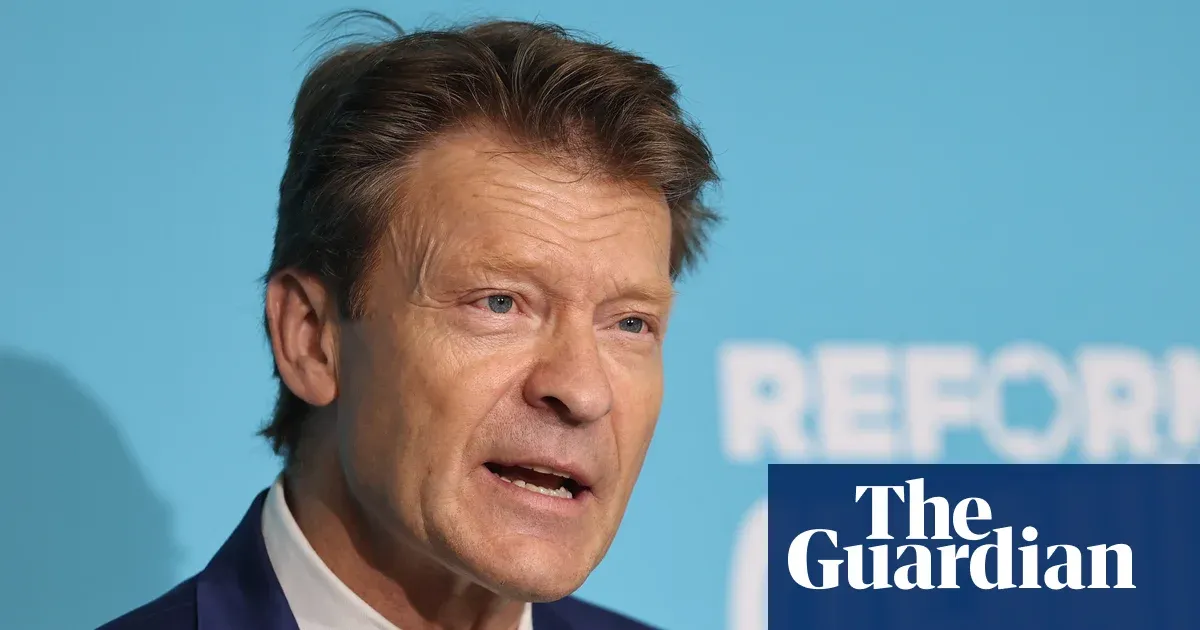
Standards watchdog opens probe into Reform UK deputy leader Richard Tice over interests
The parliamentary standards commissioner says it began an investigation on 28 July into a possible undeclared interest.