
Busy Bar ships July 14, $199 launch price: Flipper team turns focus into a display
The Busy Bar, from Flipper Devices, goes on sale next month with a discounted $199 offer for the first 3,000 units.
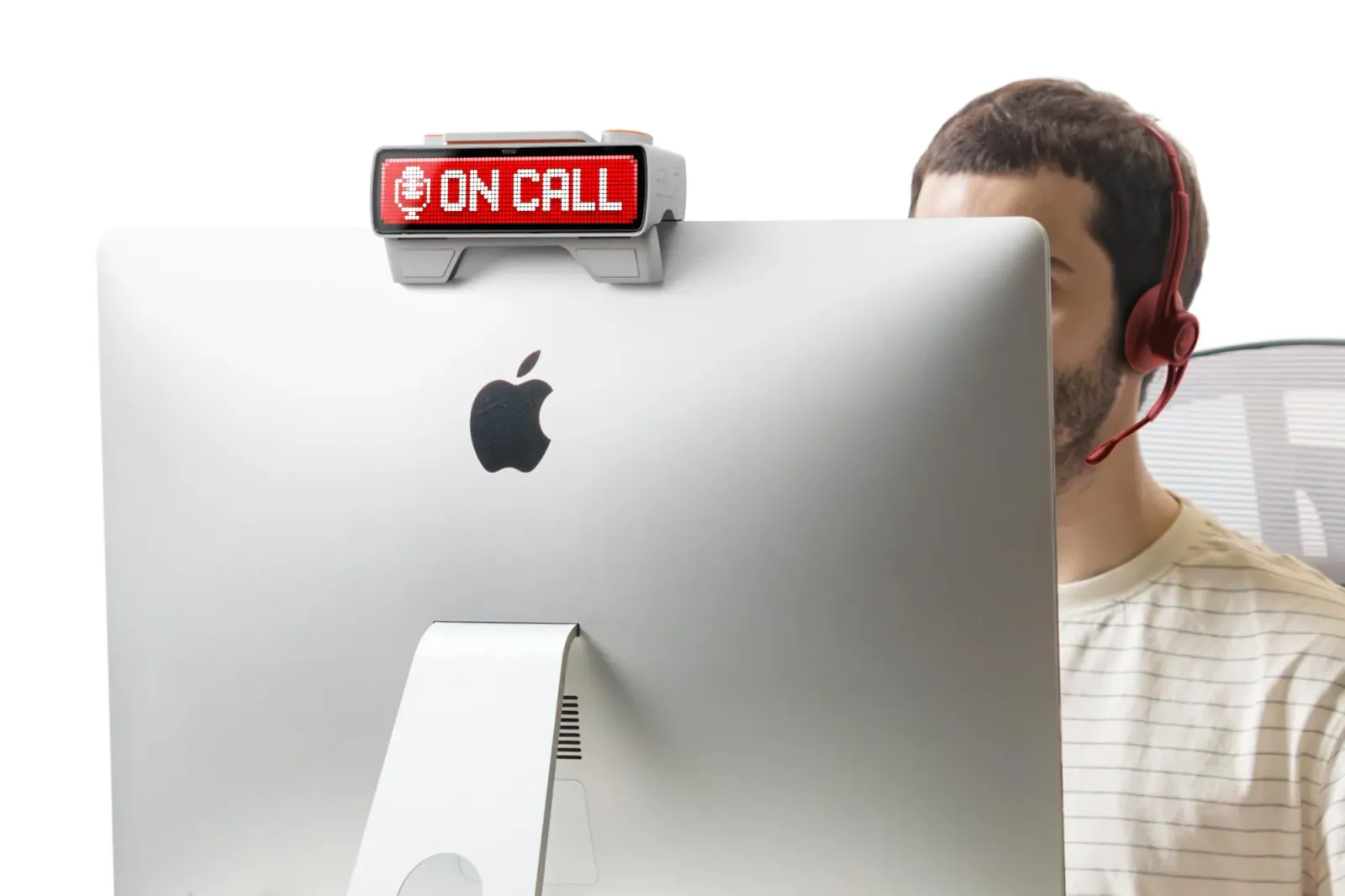
Flipper Devices will sell its Busy Bar productivity display starting July 14, the same day it begins shipping, after a first-time reveal in April 2025. The initial 3,000 units cost $199 (instead of $249), with waitlist customers able to buy for $179.
Flipper Devices is taking the idea of “please don’t distract me” and turning it into hardware you can see from across the room. The Busy Bar goes on sale July 14, the same day it starts shipping, priced at $199 for the first 3,000 units and $249 normally. If you joined the Busy Bar waitlist, you can still buy next month for $179.
That timing and pricing matter because the Busy Bar is not trying to blend into your desk like a generic gadget. It is built to make your focus status obvious to others, using a pixelated LED display that the company frames as a “productivity multitool.” Created by the same team behind the Flipper Zero wireless multitool, the Busy Bar follows Flipper’s pattern of making practical tech feel a bit like a tool you can learn, tinker with, and show off.
From a decision-maker standpoint, this product release sits at the intersection of consumer electronics and the workplace behavior economy. The core value proposition is behavioral: the display signals reduced availability, which can reduce interruptions. In office and maker-culture contexts, that is the kind of “soft control” companies constantly try to engineer with policies, chat etiquette, and meeting rules. Flipper’s approach is blunt and physical. It reduces ambiguity for the people around you, because the signal is not buried in a calendar invite or a message thread. It is visible.
The market context is also important. Since Flipper Zero became a known name in the hardware enthusiast world, the brand has earned trust with a certain audience that likes devices that are not just for show. The Busy Bar keeps the same lineage, but it reframes the mission. Where Flipper Zero is positioned as a wireless multitool, Busy Bar is positioned around focus. The practical implication is that Flipper Devices is broadening its product category without leaving its existing community. That can be a smart growth move, but it also means expectations are set high: buyers who already understand the Flipper ecosystem will judge the Busy Bar on clarity, reliability, and how well it delivers on its “reduce distractions” promise.
Now zoom out to go-to-market mechanics. A discounted first batch is a classic early launch tactic, but the specific numbers tell you how Flipper is balancing demand capture and supply risk. The first 3,000 units are discounted to $199, while the normal retail price is $249. That gives new buyers a meaningful reason to act immediately on July 14, while still preserving profitability if volumes are lower than the ceiling. Separately, the waitlist price of $179 for previous joiners is a way to convert latent interest without waiting for a cold start. It effectively rewards commitment and gives the company a clearer signal on which segment is ready to buy.
There is also a cultural signal here. A device that broadcasts your availability status is inherently social. It can help teams coordinate, but it can also change how people interpret boundaries. In workplaces, “heads-down time” often fails because coworkers do not know whether you are unavailable, busy, or simply ignoring them. A visible display makes those categories clearer. The Busy Bar’s pixelated LED approach suggests it is meant to communicate quickly and unambiguously, similar to how statuses are already used in software, but transplanted into the physical world.
Regulatory scrutiny is not typically the first thing that comes to mind for a productivity display, but hardware that can be used in creative ways can attract attention over time. Even though the source describes Busy Bar primarily as a focus tool with an LED display, Flipper’s association with the wireless multitool category is part of why regulators and platform operators tend to watch these makers more closely than ordinary consumer gadgets. Executives overseeing operations, legal, or compliance would likely see Busy Bar as the safer category of “focus signaling,” but the company will still benefit from having clean product scope and clear messaging about what the device does and does not do.
For peers making hardware or building platforms around creator behavior, the strategic takeaway is straightforward: Flipper Devices is trying to monetize an everyday social friction point with a device that everybody can immediately read. If it lands with the community on day one, the company strengthens its ability to launch future products outside the original Flipper Zero use case. If it misses, it will still provide a data point on whether the audience wants more “desk tools” or remains committed mainly to the wireless multitool identity. Either way, July 14 is not just a shipping date. It is a market test of whether focus can be packaged, priced, and signaled like a premium gadget with an enthusiast-grade pedigree.
This story's Key Insights and Take-aways are locked.
Create a free account to unlock Executive Actions for one credit.
Register to UnlockAlways free for Executives Club members. Join the Club
More in Technology

Nvidia's $89B data center quarter: the 9 companies cashing in
The AI buildout is minting fortunes beyond GPUs, and memory, cloud, and cooling suppliers are riding the same wave.

Google quietly links your phone number to every Android account on your SIM
Adding a SIM now ties your phone number to all Google accounts - and future accounts inherit it. Here's the security and privacy stakes.

Hijacker AI 'Skynet mode' runs 100,000 attack steps against exposed models
Symantec caught a criminal AI agent that borrows other models, steals data, and mines crypto; the only relief is no confirmed victims yet.