
By 2035, data centers could use 4x more electricity than today
A new build pipeline through 2033 may consume power on par with India, forcing operators to plan for scarcity now.
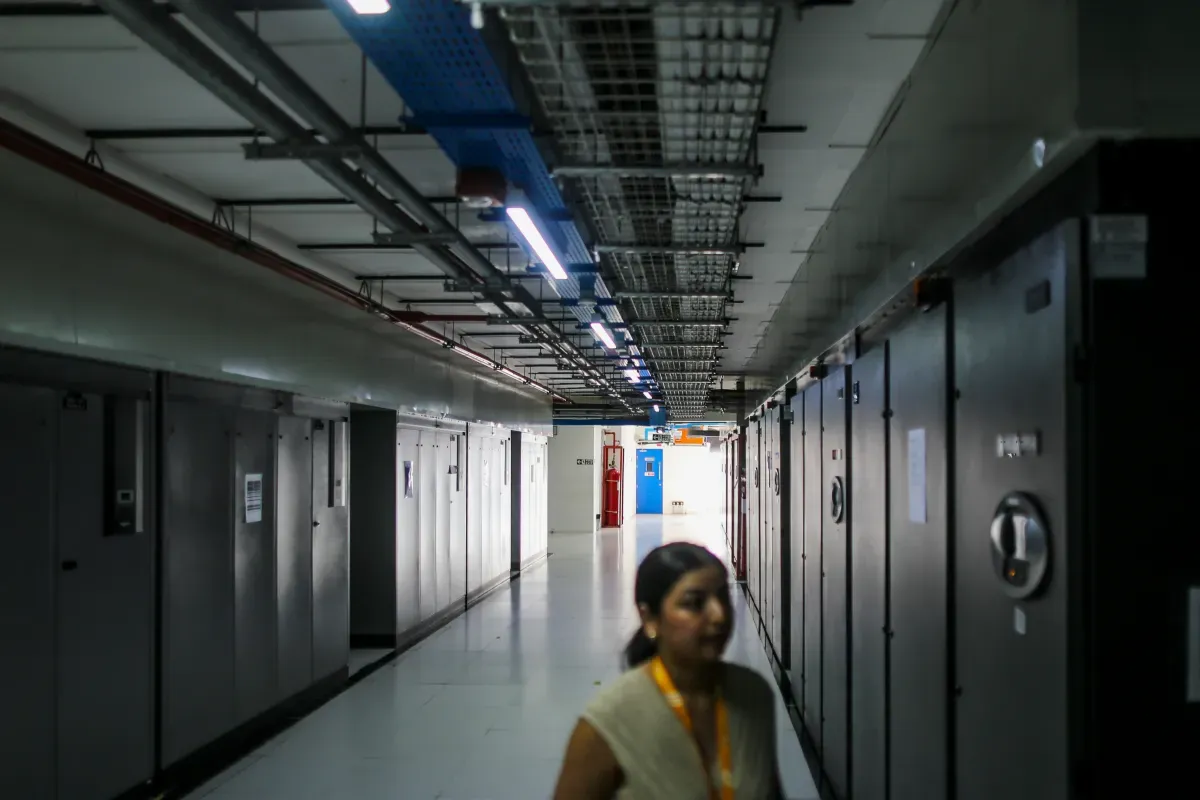
TechCrunch reports that new data centers built through 2033 could consume electricity at a scale comparable to what India uses today. If power demand rises that fast, decision-makers will need to treat energy procurement and grid constraints as core operating risks, not back-office hassles.
Data centers are on track to become an electricity story, not just a computing story. TechCrunch reports that data centers expected to use 4x more electricity by 2035 could drive demand so high that new data centers built through 2033 could consume as much electricity as India uses today.
That comparison is the gut check. India’s electricity usage is enormous, and the implication is simple: if the construction timeline keeps rolling, the next wave of capacity could arrive faster than the grid and procurement systems can comfortably support it. For executives, this shifts the planning horizon. You can no longer treat power as a “site selection” detail or a minor constraint to be handled later. It becomes a primary input to timing, cost, and feasibility.
So what does “4x more electricity by 2035” actually mean in practice? It means demand is compounding. New facilities do not just add incremental consumption. They also increase the pressure on utilities to build generation and transmission, and they intensify competition for available megawatts in regions that already have limits. When electricity is tight, the limiting factor becomes access, not ambition. Developers and operators can have capital lined up, leases drafted, and customers waiting, but without power connections and reliable delivery, projects can stall.
This is why the “built through 2033” framing matters. It suggests the industry’s near-term pipeline can lock in a large portion of the long-term demand curve. If new capacity coming online during that period ends up consuming electricity on par with India’s usage, the bottleneck is likely to show up as soon as utilities and grid operators struggle to match build rates with interconnection timelines. In other words, the most consequential delays may not be in server procurement or construction crews. They may be in substations, transmission upgrades, and the administrative and engineering approvals that come with them.
Executives should also recognize that electricity constraints affect more than cost. Power availability shapes what business models are even possible. For cloud and AI workloads, reliability expectations are strict. If power supply becomes uncertain, the operational risk profile changes, and the cost of maintaining uptime climbs. That can force changes in service delivery, workload scheduling, and even where companies decide to colocate capacity. Boards evaluating growth plans will have to ask a different set of questions, ones that sound less like “How fast can you scale?” and more like “How defensible is your power path to meet growth targets?”
There is another layer, too: regulation and grid governance. Even when electricity demand is private-sector driven, the ability to deliver it is governed by public infrastructure and public policy. That means utilities, regulators, and regional grid operators influence interconnection capacity, upgrade priorities, and timelines. When the scale of new data center electricity consumption is being compared to national usage levels, regulators have a reason to scrutinize timelines and land use, and communities have a reason to demand assurances about reliability, emissions, and fairness in who gets access to limited capacity.
For peers in similar roles, the strategic stake is this: the winners will likely be the organizations that treat energy as a managed risk and not a background assumption. TechCrunch’s reported expectation of 4x electricity usage by 2035, plus the near-term “through 2033” buildout that could match India’s consumption scale, points to a world where megawatts are scarce and valuable. That scarcity can translate into higher operating costs, slower deployment, and more complex contracting. It can also create opportunities for executives who can secure power early, structure supply agreements intelligently, and align expansion plans with grid realities.
If you lead a data center operator, fund the infrastructure, or oversee platform capacity decisions, the message is immediate. Start energy planning now with the same seriousness you apply to customer demand forecasting. Because by 2035, electricity demand will not just be a metric on a slide deck. It will be a gating factor for whether the next wave of infrastructure can actually be built, connected, and operated.
This story's Key Insights and Take-aways are locked.
Create a free account to unlock Executive Actions for one credit.
Register to UnlockAlways free for Executives Club members. Join the Club
More in Technology

Google quietly links your phone number to every Android account on your SIM
Adding a SIM now ties your phone number to all Google accounts - and future accounts inherit it. Here's the security and privacy stakes.

Hijacker AI 'Skynet mode' runs 100,000 attack steps against exposed models
Symantec caught a criminal AI agent that borrows other models, steals data, and mines crypto; the only relief is no confirmed victims yet.

Nvidia's AI-financier shift faces its first big test as neoclouds stumble
A rout in neocloud stocks is forcing investors to weigh Nvidia's hidden exposure as both supplier and lender to the AI buildout.