

Callum Turner turns cyberspace criminal in Apple TV’s Neuromancer teaser
A new Apple sci-fi drama, led by Turner and built on William Gibson's 1984 novel, signals Apple’s latest play in premium TV.
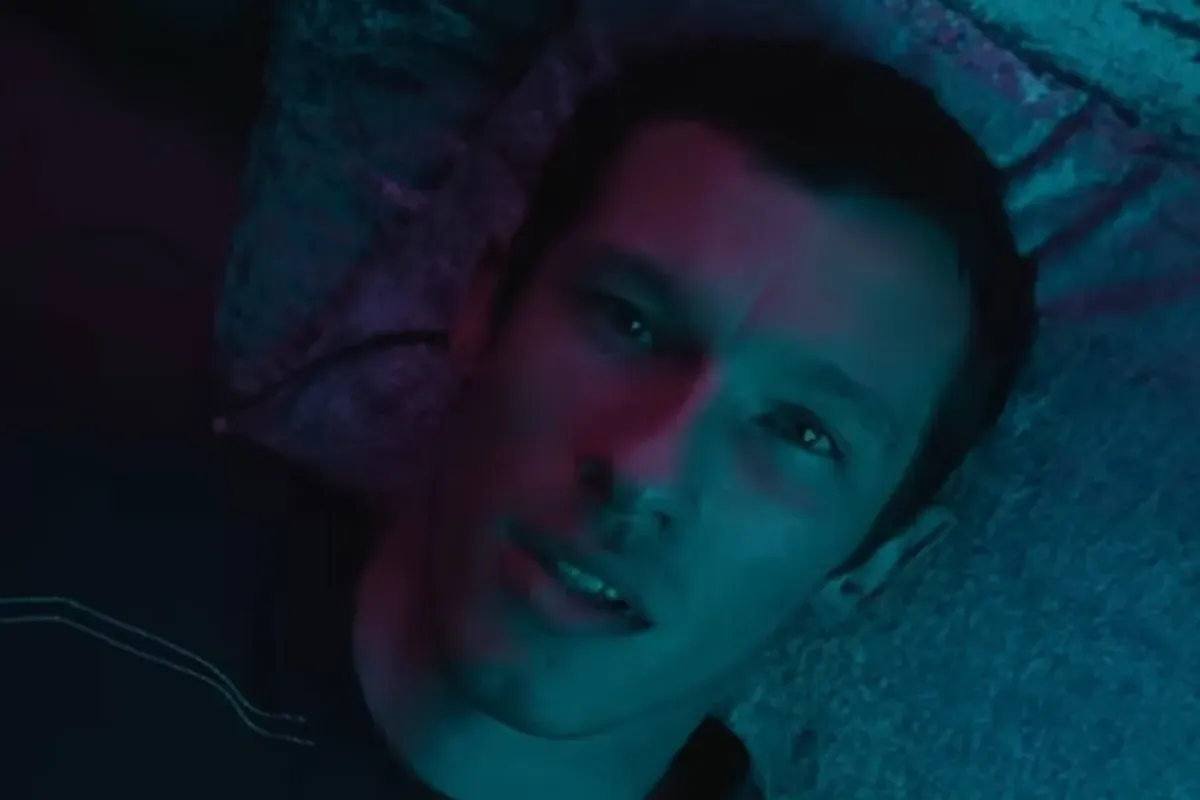
Apple has unveiled the teaser for Neuromancer, a sci-fi drama led by Callum Turner and based on William Gibson’s 1984 novel. The series is created by Graham Roland and JD Dillard, with Dillard directing the pilot.
Apple has unveiled the teaser for “Neuromancer,” a sci-fi drama led by Callum Turner and based on William Gibson’s landmark 1984 novel. The marketing message is clear enough for decision-makers: this is not another generic future show. It is a prestige adaptation built to carry the weight of a famous cyberpunk source, and the lead role is being positioned as a central engine of that identity.
Turner’s character is framed as a “cyberspace criminal,” and the series is set up to follow a damaged protagonist, according to the official plot description teased by Apple. The key point for operators and investors is that Apple is not treating “Neuromancer” like niche IP. It is launching it with an explicitly story-forward hook that ties directly back to Gibson’s world, where identity, hacking, and power move together.
Behind the scenes, the creative leadership also reads like an intentional balance of style and structure. “Neuromancer” is created by Graham Roland, who is associated with “Dark Winds,” and JD Dillard, who is associated with “The Twilight Zone.” Dillard is also directing the pilot, which matters because the first episode is where tone gets locked. In a show that relies on a specific aesthetic language for cyberspace, the pilot is the moment where production design, character stakes, and pacing either convince viewers they are in a coherent universe or lose them before the credits roll.
For boards and executives, this kind of adaptation is less about fandom nostalgia and more about what the IP brand does to subscriber behavior. Apple TV+ is competing in a market where audiences have learned to expect high production values, recognizable creative teams, and the kind of “must-watch” cultural gravity that can justify ongoing subscriptions. A property like “Neuromancer” comes with an in-built audience history. That doesn’t guarantee success, but it can reduce the market’s uncertainty about whether the show has a reason to exist.
There is also a second-order implication: “Neuromancer” is a test of how Apple translates literature into screen without losing the original’s edge. Gibson’s 1984 novel is famous for its sharp, unsettling view of technology and society, and the teaser strategy suggests Apple is aiming to preserve that vibe rather than soften it for mass appeal. When a streaming platform leans into a world associated with darker cyber themes, it can attract the right viewers while also setting clearer expectations for the kind of story it wants to be known for.
On the regulatory side, it is worth noting that sci-fi has long been a magnet for policy attention when it touches surveillance, identity, and digital systems. The source details here do not specify any regulatory controversy, and we should not invent one. But executives still watch how shows handle data-adjacent themes because platform distribution is increasingly shaped by regional content standards, advertising guidelines, and audience sensitivities. In other words, even when the plot stays fictional, the subject matter lives in a world where regulators and stakeholders pay attention to how media depicts digital power.
Finally, the “Neuromancer” teaser is a signal to peers that premium sci-fi remains a strategic battleground. Apple is deploying a marquee sci-fi title, an established novel lineage, and a creative team connected to acclaimed television. For executives at other streamers, studios, and rights holders, the competitive takeaway is simple: talent and IP are being assembled to build franchises with recognizable cultural footprints, not just one-off programming. If Apple lands this, it strengthens the case for more tech-forward, literature-backed series. If it stumbles, it still creates learning for the market, because everyone will be watching how a famous cyberpunk template becomes modern television.
This story's Key Insights and Take-aways are locked.
Create a free account to unlock Executive Actions for one credit.
Register to UnlockAlways free for Executives Club members. Join the Club
More in Entertainment

Ali G's 'stooge' says he was in on joke, outplayed Sacha Baron Cohen
A 54-year-old aspiring actor says he recognized Sacha Baron Cohen mid-shoot, kept his MAGA act up, and let the film-makers think they had fooled him.

Entertainer Russell Brand denies 7 sex charges amid accuser's 'couldn't breathe' claim
The alleged victim's account sharpens the reputational and legal stakes for Brand, his platforms, and any business tied to a public figure under criminal scrutiny.

Russell Brand's accuser 'bewildered and confused' as he denies 7 sex charges
The criminal case against the comedian is a live test of how media companies manage talent risk when serious allegations go public.