

Calvin Hayes, Johnny Hates Jazz co-founder, dies at 63 after collapsing in Washington home
A founding member of the '80s pop band Johnny Hates Jazz, keyboardist and drummer Calvin Hayes, died earlier this week in Washington.

Calvin Hayes, co-founder of the '80s pop band Johnny Hates Jazz and its keyboardist and drummer, died at 63 after collapsing in his home in Washington earlier this week. For arts, media, and brand managers, the loss ripples through catalog stewardship, legacy planning, and rights continuity.
Calvin Hayes, the British musician who co-founded the '80s pop band Johnny Hates Jazz, has died. He was 63, and the immediate details are stark: the keyboardist and drummer collapsed in his home in Washington earlier this week.
For anyone tracking the business side of music history, the headline is a reminder that “legacy” is not a static museum piece. When a founding artist passes, the people and processes that keep a catalog alive become suddenly more time-sensitive. In this case, the core facts from the report are simple and final: Hayes co-founded Johnny Hates Jazz, worked as both keyboardist and drummer, and died after collapsing at his Washington home.
Johnny Hates Jazz sits in a particular slice of music culture: the '80s pop era where bands could move quickly, cross markets, and build identities around a tight mix of sound and image. That kind of project tends to create assets with long half-lives. Songs and performances can keep generating attention years later, through streaming, radio rotations, licensing in film and TV, and reissues. But the operational reality is that those assets are connected to living people at key points in the chain, including creators, estates, representatives, and rights holders. When the co-founder who contributed both rhythm and keys is gone, the estate and affiliated parties often take on greater importance for what happens next.
There is also a human layer that markets cannot ignore, even when they try to paper over it with process. The report describes Hayes collapsing in his home in Washington earlier this week. That detail matters because it points to an abrupt transition rather than a gradual one. In the music industry, abrupt transitions can compress timelines: decisions about representation, estate administration, and approvals for uses of recordings may need to be made quickly, often by people who were already busy.
Second-order effects show up most in the “boring” areas that keep the lights on. Rights and permissions are typically handled through a combination of contractual frameworks and administrative practice, and those frameworks can involve multiple parties: record labels, publishing entities, performance rights structures, and the creative contributors or their successors. When a founding member who is directly tied to the band’s instrumental identity dies, stakeholders frequently revisit what documentation exists, what is missing, and who has authority for different kinds of exploitation. Even without any new allegations or controversies, the practical consequence is continuity: ensuring that catalogs can keep being licensed without delays.
For executives in media and entertainment, this is also a governance moment. Boards and senior teams often speak in terms of strategy, but when a founder-era figure dies, the strategy gets forced into a tighter schedule. Who manages ongoing brand decisions? Who approves image or name references? How are announcements coordinated so they align with rights status and public relations timelines? Hayes’s death is a reminder that legacy planning is not only about memorials. It is about how institutions keep their operational lanes open when the human inputs change.
Peers in similar roles, especially those managing bands, labels, catalogs, or creator-adjacent brands, can take a simple lesson from this news: continuity planning should be treated like risk management. Hayes was a keyboardist and drummer, meaning his contributions are part of the band’s core sound identity. When that kind of contributor passes at 63, organizations responsible for ongoing monetization and representation of the work should expect a period of administrative attention. The stakes are not only financial. They also include cultural stewardship, because fans and the wider public tend to look to official channels for accurate information during a transition.
In the end, the facts in the report are both small enough to state clearly and big enough to reverberate. Calvin Hayes co-founded Johnny Hates Jazz, served as its keyboardist and drummer, and collapsed in his home in Washington earlier this week. He was 63. For decision-makers across arts and media, the question becomes: how quickly can your organization confirm, coordinate, and protect continuity when the people behind the legacy are no longer around to guide it?
This story's Key Insights and Take-aways are locked.
Create a free account to unlock Executive Actions for one credit.
Register to UnlockAlways free for Executives Club members. Join the Club
More in Entertainment
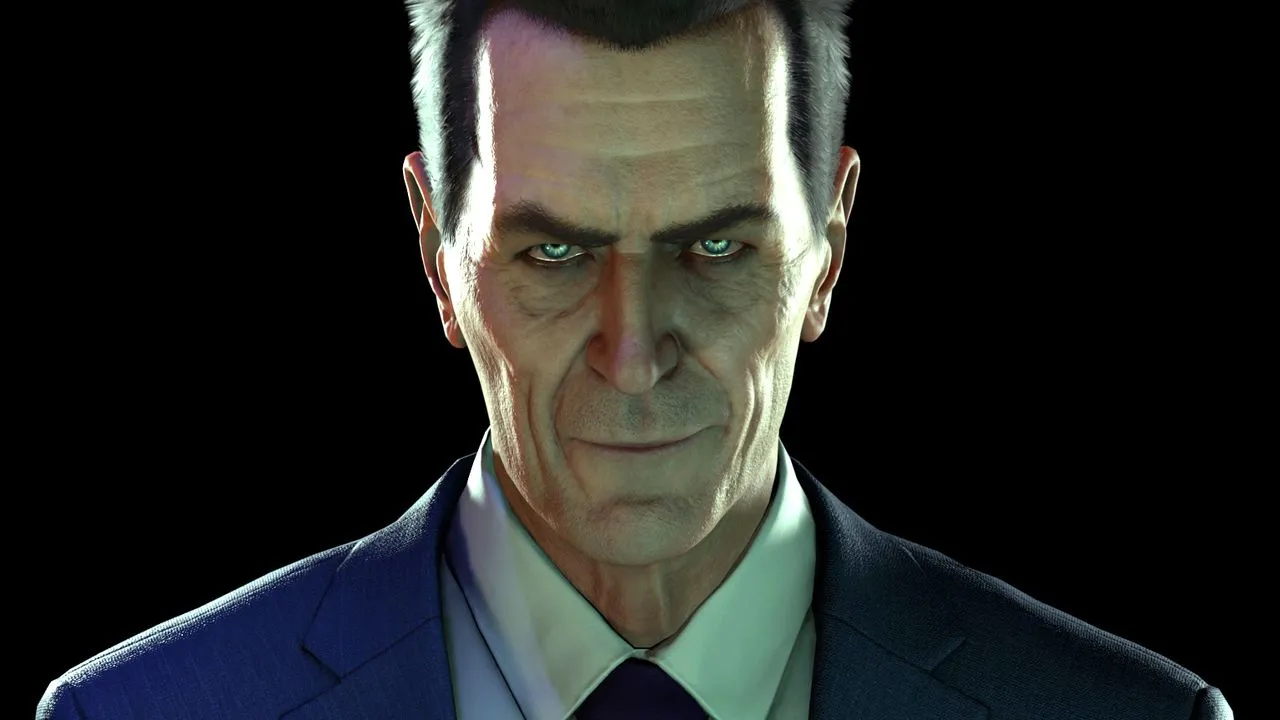
12TB Steam 'teraleak' goes beyond Valve: GTA 3, Mafia 2 prototypes exposed
A 12-terabyte dump of Steam data reveals prototypes and builds of third-party classics like GTA 3 and Mafia 2, plus unreleased Valve content, rewriting game history.

LinkedIn's romance problem: 1 in 4 workers say dating on it is fair game
A new survey shows a quarter of U.S. employees treat the professional network as fair game for romance, even as LinkedIn bans it and removes hundreds of thousands of offending posts.

Enhypen's first No. 1 album breaks K-pop's Billboard 200 streak
The K-pop group's 98,000-unit debut tops the chart while Dolly Parton's catalog reentry shows how death reshapes streaming.