
Capcom is building a hard mode for Dragon's Dogma 2: Dark Arisen
A long-requested difficulty option is in development, and it could reshape how players, studios, and publishers measure “value.”
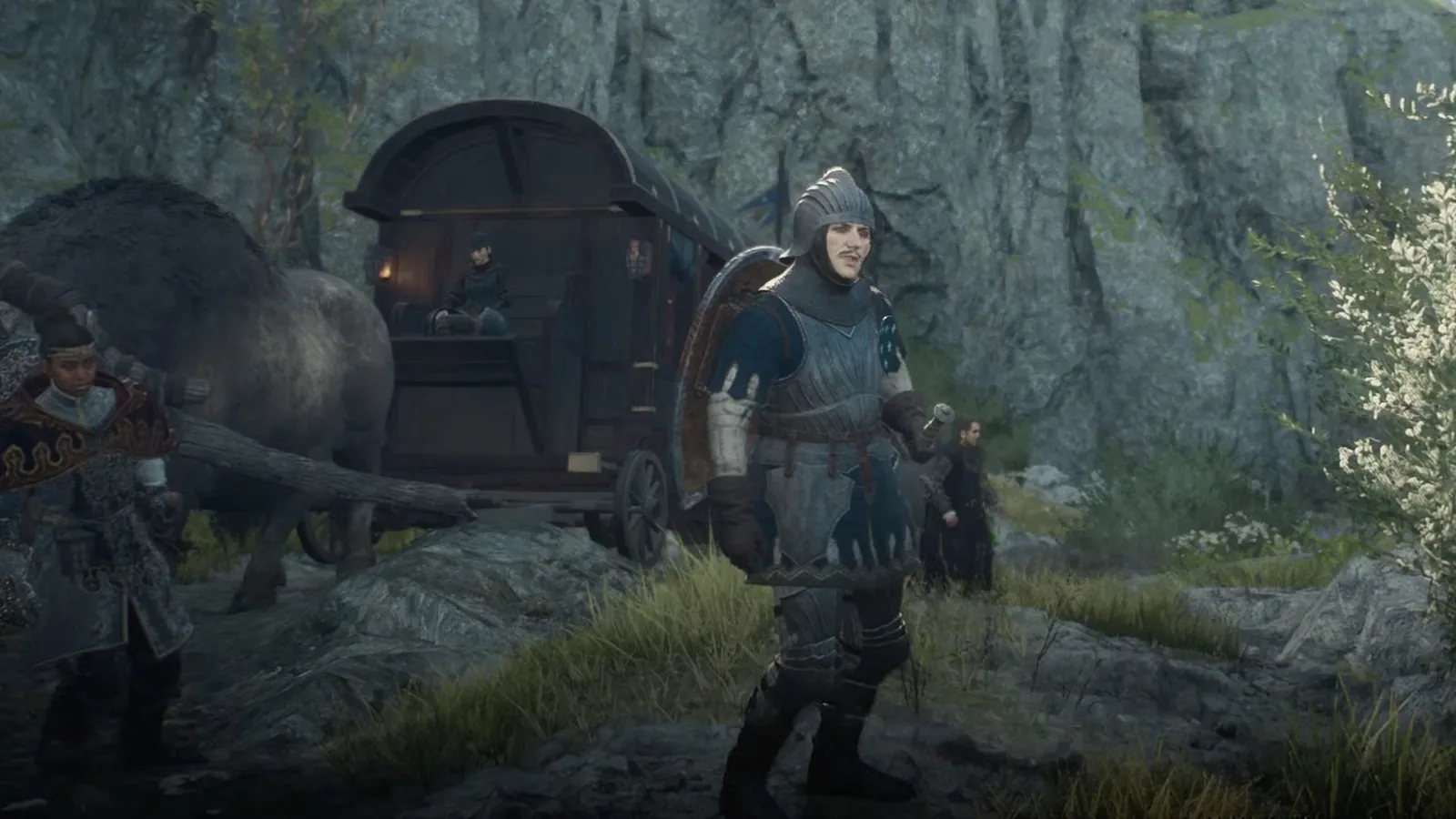
Capcom confirmed that Dragon's Dogma 2: Dark Arisen, its expanded 2024 release, will include a hard mode currently in development. The consequence for decision-makers is clear: difficulty design is becoming a product feature, not a footnote, ahead of an expanded-edition rollout.
Capcom has confirmed it is developing a hard mode for Dragon's Dogma 2: Dark Arisen, the expanded version of its 2024 action RPG. This is not just another patch note. It is one of the most requested features in the game finally turning into an actual product decision, timed to the lead-up of the Dark Arisen release.
Why that matters now: Dragon's Dogma 2 already sits in a market where players treat difficulty as identity. “Normal” is often considered the on-ramp. “Hard” is where a game signals it respects time, skill, and obsession. By adding hard mode to Dark Arisen, Capcom is effectively changing the deal for a meaningful segment of its audience right before an expanded edition asks players to return, re-buy, or at least re-commit.
In practical terms, expanded editions are where studios can bundle improvements that have been waiting in the dark. The source points to the hard mode being “in development” ahead of the expanded Dark Arisen version of the game. That phrasing matters, because it suggests Capcom is not only listening after launch, it is planning for the feature to land as part of the expanded product narrative. In games, the timing is part of the message. Players do not experience it as “a future update.” They experience it as “the definitive version.”
This also fits the incentive structure around post-launch development. Once a game ships, the conversation shifts from creation to maintenance. Live updates, balancing, and new modes compete for attention. But difficulty is different. It is not purely cosmetic, and it changes how long players spend, how they progress, and how they talk about the game. A hard mode can stretch retention for veteran players without needing to manufacture new content from scratch.
There is also an ecosystem angle. Dragon's Dogma 2 is an action RPG, and the loop of learning enemy patterns, optimizing loadouts, and managing stamina or positioning is exactly where difficulty settings create visible differences. When a studio adds a hard mode, it often reframes what “success” means. Players who previously bounced may feel like the game finally has a runway for their style. Players who already conquered may feel validated. And those who streamed, reviewed, or built guides might suddenly find new reasons to revisit the game.
If you zoom out to publisher strategy, “hard mode” can become a quiet lever in the economics of an expanded release. Expanded editions typically aim to capture lapsed users, increase engagement among existing players, and give storefront pages a reason to stay relevant. Difficulty options are low friction from a marketing standpoint. They are also high clarity. Unlike broad promises, “hard mode” is a concrete feature that can be understood instantly.
Second-order implications follow. First, teams may design future balancing with more rigid difficulty scaffolding, because hard mode sets expectations about challenge and tuning. Second, community feedback becomes more formalized in product planning, since the source explicitly characterizes hard mode as a “fan-requested” feature. When developers treat requested features as roadmap-worthy, it can raise the stakes of how they prioritize later requests. Third, boards and execs watching user metrics may need to interpret engagement changes carefully, because difficulty can inflate playtime without necessarily expanding the total number of players.
For peers making decisions about expanded editions or post-launch roadmaps, the strategic takeaway is simple: difficulty design is becoming a product-level commitment. Capcom is taking a heavily requested feature and packaging it with Dark Arisen. That suggests a broader lesson for studios and publishers. If your audience is already telling you what they want, the highest-leverage response might not be another patch. It might be a new version with a clear, testable promise: play it, and it will be harder.
This story's Key Insights and Take-aways are locked.
Create a free account to unlock Executive Actions for one credit.
Register to UnlockAlways free for Executives Club members. Join the Club
More in Entertainment

Ali G's 'stooge' says he was in on joke, outplayed Sacha Baron Cohen
A 54-year-old aspiring actor says he recognized Sacha Baron Cohen mid-shoot, kept his MAGA act up, and let the film-makers think they had fooled him.

Entertainer Russell Brand denies 7 sex charges amid accuser's 'couldn't breathe' claim
The alleged victim's account sharpens the reputational and legal stakes for Brand, his platforms, and any business tied to a public figure under criminal scrutiny.

Russell Brand's accuser 'bewildered and confused' as he denies 7 sex charges
The criminal case against the comedian is a live test of how media companies manage talent risk when serious allegations go public.