
Carly Simon returns with original songs since 2008, and it starts with “Howl”
The legend is back on new material. Here is what “Comes in Waves” signals for the album cycle and audience momentum.
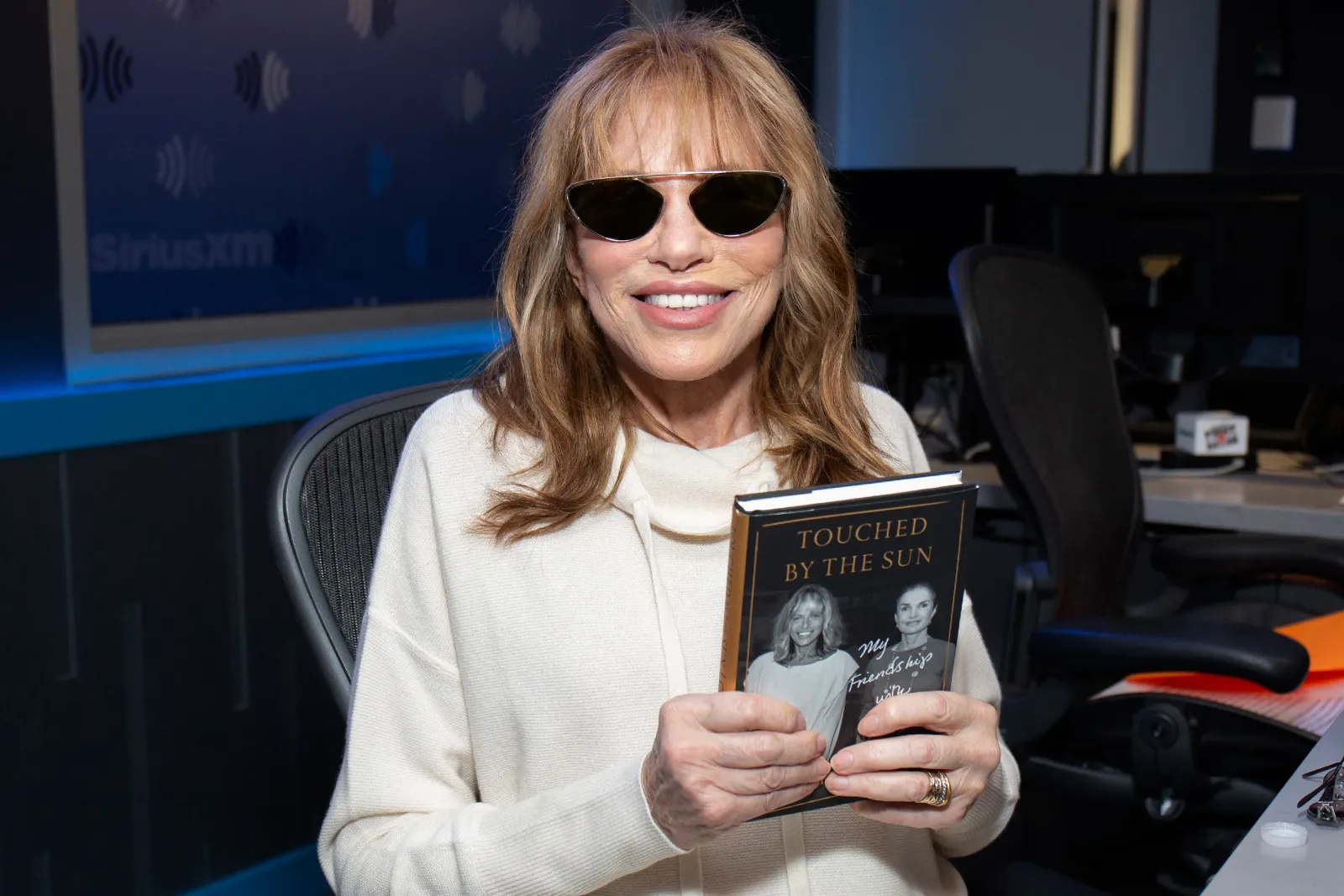
Carly Simon released “Howl” from Comes in Waves, her first album of original songs since 2008. For decision-makers, the move is a reminder that legacy artists can still reset attention and revenue patterns with the right rollout.
Carly Simon has released “Howl” from Comes in Waves, signaling her first album of original songs since 2008. That detail matters because in music, a long gap is usually either a quiet sunset or a slow burn. Simon is doing neither. She is drawing a line from a specific new track to a clearly framed comeback: original songs, not covers, and not just a one-off single.
If you care about what this means for music business operators, the sequencing is the point. The source explicitly tells you to listen to “Howl,” which is standard industry logic, but it also tells you the strategic objective: get attention for the album before the album arrives. A single as a “lead” is a low-friction way to test audience pull, and “since 2008” sets up the narrative stakes. After nearly a decade-plus, listeners are not only sampling a sound. They are checking whether the artist still feels essential.
Now zoom out for the ecosystem context. Legacy artists operate on a different timeline than emerging acts, but their commercial math still runs on the same fundamentals: awareness, discovery, and conversion. “Howl” being positioned as the entry point suggests the team understands a key reality of modern release cycles: people often commit to an artist through one moment, then decide the rest later. That can compress the time it takes to find a new wave of listeners, especially when the track is promoted as the front door to a broader project.
There is also a broader second-order implication here for media and platform strategies. When a major figure drops a track tied to a long-awaited original album, it creates a news hook that is easier to distribute than a generic “artist announces album” message. The Pitchfork framing is literally “Listen to 'Howl' from Comes in Waves,” which is how editorial products drive engagement. That kind of clear directive reduces friction for readers and keeps the focus on the creative output rather than speculation.
On the regulatory side, music distribution today is deeply affected by compliance architecture that sits behind the scenes, even when the story itself is not about policy. Rights and royalties are heavily mediated by licensing agreements, collective management, and platform reporting systems. Releases that involve original songs, like Simon’s, are typically treated differently than catalog-only monetization because they trigger fresh rights processing for masters and compositions. The practical takeaway for decision-makers is that original material can revive a whole chain of rights workflows, from mechanical and performance reporting to streaming royalty calculations, and that the release calendar has to line up cleanly with those operational realities.
And then there is the audience dynamic, which is where “first album of original songs since 2008” becomes more than trivia. Long gaps change what listeners expect. Some will assume the artist is done writing original material. Others will treat new work as a cultural event and evaluate it against the era they remember. By anchoring the comeback to a specific new track, “Howl,” Simon effectively tells the market to focus on the present tense: listen now, then connect it to the larger album.
Strategically, this matters to peers in adjacent roles too. Labels, publishers, and artist management teams can study the playbook in broad strokes: a clear comeback narrative, an explicit lead track, and a direct path from that track to the album identity. For executives building release strategies, the message is that legacy momentum is not only possible, it can be manufactured again, as long as the creative and the rollout align.
So the stake today is simple. If “Howl” earns attention, it can carry that attention into Comes in Waves, reframing Carly Simon’s current chapter as original songwriting, not a reissue. And if it lands with listeners, it is a reminder to the whole industry that time gaps do not automatically extinguish demand. They can also sharpen the moment when the next original song finally arrives.
This story's Key Insights and Take-aways are locked.
Create a free account to unlock Executive Actions for one credit.
Register to UnlockAlways free for Executives Club members. Join the Club
More in Entertainment

Christopher Nolan’s “The Odyssey” posts his biggest Tuesday haul, surpassing “The Dark Knight’s” record
The film’s Tuesday breakout reframes Nolan’s box-office ceiling and forces competitors to rethink timing, budgets, and release strategy.

Kacey Musgraves cancels Aug. 20, 29, Sept. 2 Middle of Nowhere shows
Ticketmaster emails are telling fans refunds are coming, while the tour still starts Aug. 21 in Chicago.

Billie Joe Armstrong launches Epiphone Les Paul Junior and Marshall 1959BJA signature gear
Two limited releases turn decades of Green Day’s tone into branded hardware, including Marshall’s first artist amp in 14 years.