
CATL targets 200GWh sodium-ion cells, nearly 3x last year’s global capacity
A giant production ramp signals how CATL plans to dodge lithium price swings without slowing EV and grid storage.
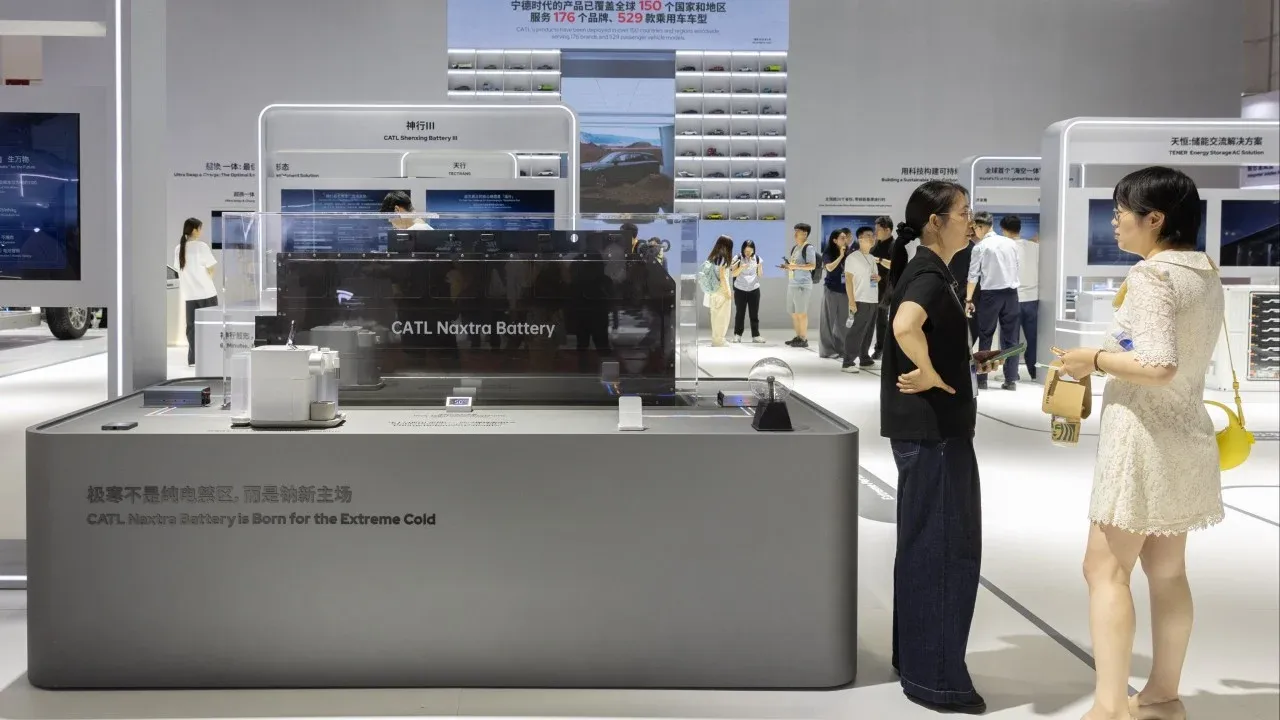
CATL, the world’s top lithium-ion battery maker, plans to dramatically expand sodium-ion cell output with a targeted 200GWh of annual production. For decision-makers, it is a direct bet that material volatility can be managed through chemistry diversification, with knock-on effects for both EV supply and grid storage pricing.
China’s Contemporary Amperex Technology Ltd, better known as CATL, is betting hard on sodium-ion batteries as a hedge against lithium price volatility. The company plans a major boost in production of sodium-based cells, aiming for 200 gigawatt-hours (GWh) of annual output. That figure matters because it would represent nearly three times last year’s global production capacity, which the article estimates at 70GWh.
In other words, this is not a small pilot-the-technology announcement. CATL is signaling scale. If it hits the planned annual production of 200GWh of sodium-ion cells, it would jump sodium-ion from a niche manufacturing category into a much more consequential supply stream. The shift matters for two end markets at once: electric vehicles (EVs) and grid-storage applications, where battery costs and supply stability can make or break procurement decisions.
To understand why executives should care, zoom out to how battery supply chains behave when inputs move. Lithium-ion has dominated battery chemistry for years, and lithium pricing can swing for reasons ranging from demand cycles to production and trade dynamics. Those swings can pressure manufacturers’ margins and force downstream buyers to reconsider contracts, timing, and total cost of ownership. Sodium-ion is being positioned as a way to navigate that volatility by changing the underlying material mix. The SCMP story frames this directly as a strategy to manage material price turbulence, not just an R&D effort.
There is also a market structure implication here. CATL is described as the world’s top lithium-ion battery maker, which means it typically influences industry expectations through capacity moves. When a leader publicly targets large-scale sodium-ion production, suppliers, automakers, and utilities start asking whether the “alternative chemistry” is moving from experimentation to commercialization. That question is urgent for everyone planning production lines and offtake agreements. If sodium-ion becomes a larger share of new supply, procurement teams can gain more negotiating leverage, and pricing strategies may need to account for additional capacity coming online.
The EV and grid-storage angle is not an afterthought. Sodium-ion cell production at scale could affect how both sectors design their battery strategies. EV programs are highly sensitive to cost per kilowatt-hour, supply continuity, and the ability to secure volumes for future model ramps. Grid storage is different but equally demanding: utilities and grid operators tend to prioritize predictable performance, installed cost, and reliable availability over long project timelines. The SCMP article explicitly notes that CATL’s move would affect both EV and grid-storage sectors, which implies the company is targeting breadth, not a single customer type.
Regulatory and industrial policy context is also part of the story, especially in China, where the battery ecosystem is tightly linked to strategic manufacturing goals. Even without the article going into specific regulatory text, the practical reality is that battery supply decisions in China are rarely just commercial. Capacity expansions often align with national industrial priorities, and battery chemistry choices can influence investment flows across the value chain, including upstream materials, refining, and manufacturing equipment. Executives tracking capital allocation should treat CATL’s 200GWh sodium-ion plan as a signal that leaders expect the industry to keep rewarding scaled manufacturing, not just incremental improvements.
Finally, consider what this means for peers. The SCMP piece highlights a key math problem in the spotlight: 200GWh planned annual sodium-ion production versus 70GWh estimated last year’s global capacity. When those numbers get that far apart, it suggests the industry’s baseline is about to shift. For other battery makers and for boards overseeing battery investment theses, the risk is getting stuck with the wrong strategy if chemistry diversification starts to matter commercially faster than expected. The opportunity is similar: if sodium-ion supply expands materially, procurement and product roadmaps could become more resilient to lithium price swings.
CATL’s sodium-ion bet is therefore about more than one battery type. It is an industrial-scale play to reduce exposure to volatile inputs while keeping EV and grid-storage customers supplied. If CATL can execute its planned ramp, it could force the market to treat sodium-ion as a mainstream capacity category, not a side project, and that would reshape pricing, planning, and bargaining power across the battery ecosystem.
This story's Key Insights and Take-aways are locked.
Create a free account to unlock Executive Actions for one credit.
Register to UnlockAlways free for Executives Club members. Join the Club
More in Business

SpaceX sells $25B in debt under two weeks after IPO, despite $90B in orders
The satellite and rocket company’s quick $25 billion borrowing move signals how it plans to finance scale after going public.

Accenture’s $4.18bn play fails as AI fears spark a 20% worst-ever stock plunge
On Thursday, Accenture hit its biggest one-day drop on record after forecasting worries that AI could hollow out consulting.

SpaceX stock jumps 3% after it overtakes Amazon’s market cap
CNBC says SpaceX’s shares surge following its IPO Friday, forcing investors to reprice what “space” and “AI” are worth.