
Cave DNA survives millennia, turning ancient paintings into genetic archives
A new study shows human DNA can persist in cave art surfaces for thousands of years, opening a fresh window on past behavior.
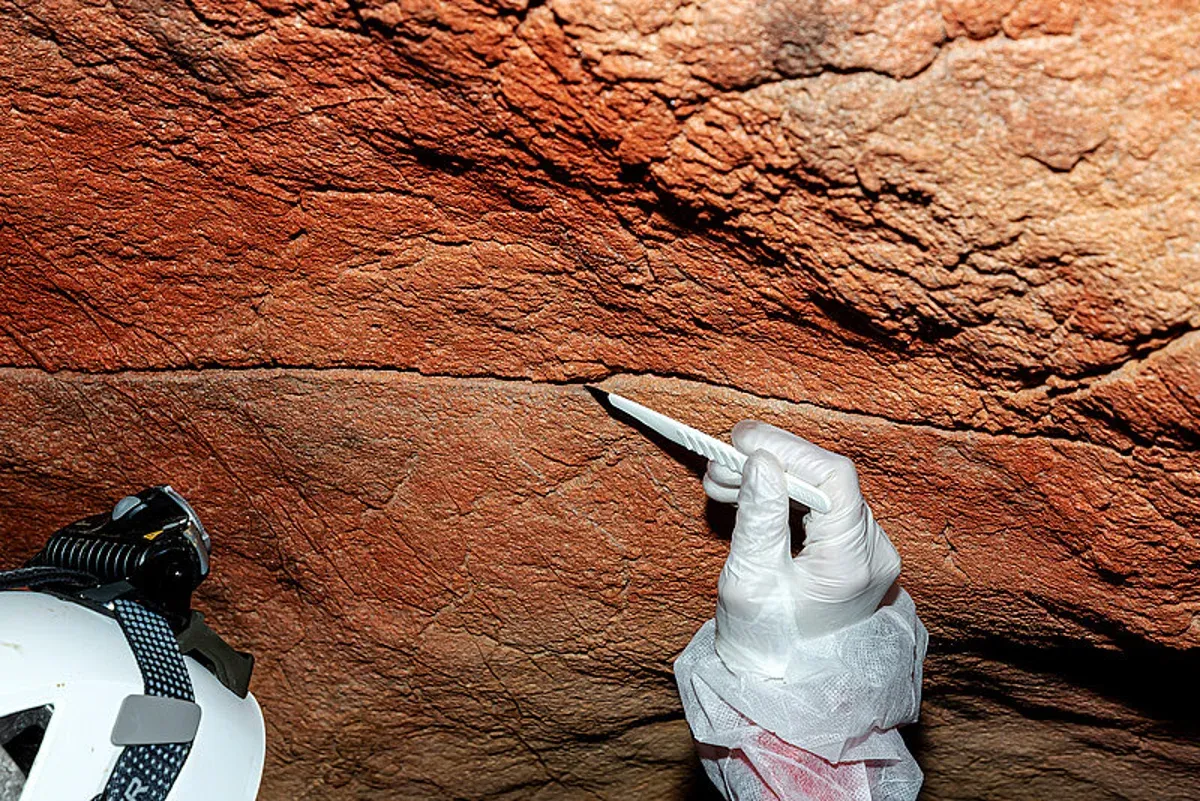
Scientists report that ancient cave paintings can harbor human DNA for millennia, effectively functioning as 'genetic archives.' For decision-makers in research, heritage, and biotech-adjacent sectors, it creates a new data source and new responsibilities for how caves are accessed and protected.
Ancient cave paintings may do more than decorate stone. Scientists have found that they can harbor human DNA for millennia, meaning the art can act as a 'genetic archive' of human activity in those caves.
This is the headline that matters for anyone funding or managing real-world science: it suggests that what researchers thought was mostly visual evidence can also carry biological information. In other words, cave art might preserve traces of who visited, touched, breathed, or otherwise interacted with those spaces, across extremely long time spans. That changes the basic question from “what did people draw?” to “what biological signatures can survive alongside the paint or surface materials over thousands of years?”
To understand why this becomes a bigger deal than a niche research win, look at how heritage science typically works. Caves are rare, fragile environments, and access is usually governed by preservation priorities. If human DNA can persist in cave contexts, then every choice about sampling, documentation, cleaning, and visitor management becomes part of the scientific instrument. The same surfaces that hold cultural meaning might also be sensitive biological artifacts.
There is also an incentives layer. The most valuable discoveries in science often come from reframing an existing dataset. Cave paintings already have cultural and academic gravity. Adding human DNA to the mix potentially upgrades caves from “archaeology archives” to “multi-modal archives,” blending visual, chemical, and genetic evidence. That can accelerate research agendas because it multiplies the kinds of questions that can be asked without requiring wholly new sites. It also matters for project planning and budget approvals, because the downstream work might include genetic analysis pipelines, contamination controls, and cross-institution collaboration.
Now add the compliance and risk reality. In any genetic research environment, contamination control is not optional, and that requirement gets harder when the target is ancient and irreplaceable. For caves, the constraint is even sharper because the sampling itself can be controversial. Once you treat cave surfaces as potential DNA storage, you create a stronger need for formal protocols: who can sample, how samples are handled, how custody is documented, and how results are communicated. Even though the source here does not spell out specific regulatory bodies or institutional policies, the practical point stands: whenever new biological evidence channels emerge, governance tends to follow.
There is another second-order effect that boards and executives should note. Genetic findings can raise ethical questions quickly, especially when they relate to human remains, populations, or ancestry. Cave art can involve multiple communities across time. Even without adding any new claims beyond the source, the discovery that DNA survives for millennia can increase scrutiny around consent, ownership of data, and how indigenous and local stakeholders are engaged. For organizations working at the intersection of biotech and culture, early stakeholder management becomes a strategic asset, not just a communications chore.
For capital allocators and operators who fund science programs, this also changes the map of opportunity. If 'genetic archives' exist in cave settings, then similar preservation concepts could apply to other ancient materials and surfaces, prompting new platform thinking: portable sampling workflows, standardized authentication methods for ancient DNA, and new partnerships between archaeologists, geneticists, and conservation scientists. The immediate discovery is about cave paintings, but the structural takeaway is about where hidden signals might be stored, quietly waiting for the right technique.
And for peers in research management, the strategic stakes are straightforward. If cave art can carry human DNA for millennia, then institutions that act early can build first-mover advantages in methods, partnerships, and protocol leadership. Institutions that wait may find others setting the standards and capturing the momentum. Either way, the message is clear: caves are not just history. They are potentially biological records too, and that means the way you touch them, study them, and govern them will matter for years.
This story's Key Insights and Take-aways are locked.
Create a free account to unlock Executive Actions for one credit.
Register to UnlockAlways free for Executives Club members. Join the Club
More in Science
2026 Nikon Small World Winners Reveal the Hidden Machinery of Everyday Life
A mycologist's frozen Edinburgh garden became the backdrop for vivid views inside cells, a reminder of what advanced imaging now makes visible to researchers and the industries built on biology.

Study: 1 in 4 depression cases may be a body-clock problem, not a chemical one
A 10,000-person study finds standard antidepressants often fail these patients, but melatonin and morning sunlight may hit the real root cause.

Start-Up Says A.I. Designed a Virus to Attack One Patient's Superbug
If the claim holds up, personalized phage therapy could become a new frontline weapon against antibiotic resistance - but proof is far from final.