

Chevy’s Silverado EV sits unsold: the all-American EV truck’s biggest problem is demand
GM’s electric pickup exists, but buyers are driving past it. Here’s what that signals for the EV truck market.
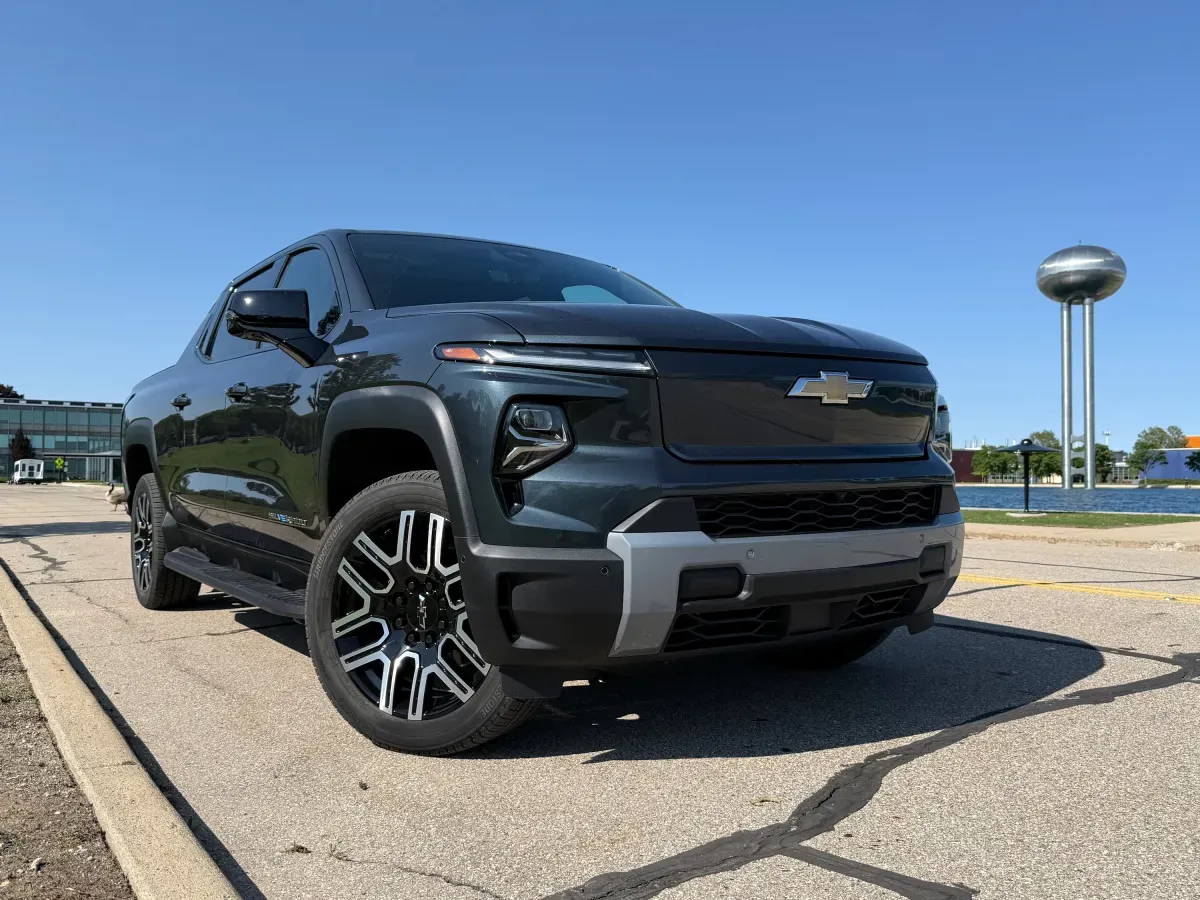
Chevy’s Silverado EV is a first-generation EV pickup meant to be a serious American alternative in a fast-growing segment. But the market response so far raises uncomfortable questions for executives deciding where to place EV truck capital.
The Chevy Silverado EV is, by the most generous reading, a “solid first draft” of an electric pickup truck. And that is exactly the problem. In a category where buyers have basically turned every new EV into a referendum on charging, pricing, and range, “solid” does not automatically translate into sales.
TechCrunch’s take is blunt: the truck is built, it is real, and it should have an obvious path to demand. Yet “why is nobody buying it?” is the question hanging over the Silverado EV right now. The stakes are not just about one model or one brand. EV trucks are one of the hardest segments to crack, because customers expect a pickup to do pickup things, not just commute quietly. If GM cannot convert interest into purchases for its Silverado EV, that ripple lands on every executive planning the next wave of electric trucks, from product strategy to manufacturing investments.
To understand why this matters, it helps to remember what an EV truck must solve at launch. Unlike an electric sedan, a pickup is measured by utility: how it performs under load, how easy it is to recharge for real-world driving patterns, and how much the total cost makes sense compared to a gas truck. Even if the hardware is good, buyers still need confidence that ownership will be predictable. That includes pricing and trims that feel attainable, and charging that feels available where people actually drive.
This is where “first draft” becomes more than a compliment. Early EV products often start as technical proofs. They demonstrate that the platform works, that the supply chain can produce it, and that the software can run at scale. But customers do not buy proofs. They buy outcomes. And an EV pickup has to deliver outcomes that compete with incumbents that are deeply optimized, widely supported, and familiar.
There is also a regulatory and policy layer shaping expectations. EV adoption has been fueled for years by incentives and mandates, particularly in the US, where federal and state policies have tried to accelerate the shift away from tailpipe emissions. Those frameworks can create demand tailwinds, but they also raise the bar for how fast automakers are expected to deliver competitive products. In other words, regulation can help create momentum, but it cannot substitute for a buyer deciding that this particular truck fits their life.
The second-order implication for executives is that demand uncertainty becomes a capital allocation issue, not a marketing issue. EV truck programs tie up money in platform work, battery sourcing, assembly line conversion, and long lead-time components. If early sales lag expectations, that can force tough tradeoffs: whether to keep pushing the same design philosophy, pivot production volumes, discount strategically, or redesign to align better with what customers want. Boards do not need a hype cycle to start asking questions. They need numbers, timelines, and an evidence-based path from “solid first draft” to mass-market pull.
It is also a competitive signal. The EV pickup space is crowded with different approaches to range targets, charging strategies, and value propositions, and buyers have learned to compare. If the Silverado EV struggles to land, it does not just imply friction for GM. It suggests the segment as a whole may be in a “prove it” phase where customers are selectively optimistic, not broadly persuaded. That puts pressure on every competitor to show not only that an EV can be built, but that it can win on the things customers feel in day-to-day ownership.
So what should decision-makers take from this? If your team is building or funding an EV truck, the Silverado EV story is a reminder that the market is not impressed by novelty alone. It wants trust, and trust comes from repeatable sales performance, not just engineering competence. The strategic stake is simple: in a segment this difficult, the companies that turn early products into consistent demand will earn the right to scale. The ones stuck at “first draft” will have to spend longer convincing buyers, and that can turn every future investment into a higher-risk bet. For executives and investors watching the EV truck market, the uncomfortable takeaway is that demand is the real gatekeeper, and right now, the Chevy Silverado EV is not clearing it.
This story's Key Insights and Take-aways are locked.
Create a free account to unlock Executive Actions for one credit.
Register to UnlockAlways free for Executives Club members. Join the Club
More in Technology

Nvidia's $89B data center quarter: the 9 companies cashing in
The AI buildout is minting fortunes beyond GPUs, and memory, cloud, and cooling suppliers are riding the same wave.

Google quietly links your phone number to every Android account on your SIM
Adding a SIM now ties your phone number to all Google accounts - and future accounts inherit it. Here's the security and privacy stakes.

Hijacker AI 'Skynet mode' runs 100,000 attack steps against exposed models
Symantec caught a criminal AI agent that borrows other models, steals data, and mines crypto; the only relief is no confirmed victims yet.