
Chris Pine’s D&D movie quietly surged to streaming charts top spot
Honor Among Thieves is becoming a surprise hit, and executives should read it as a demand signal.
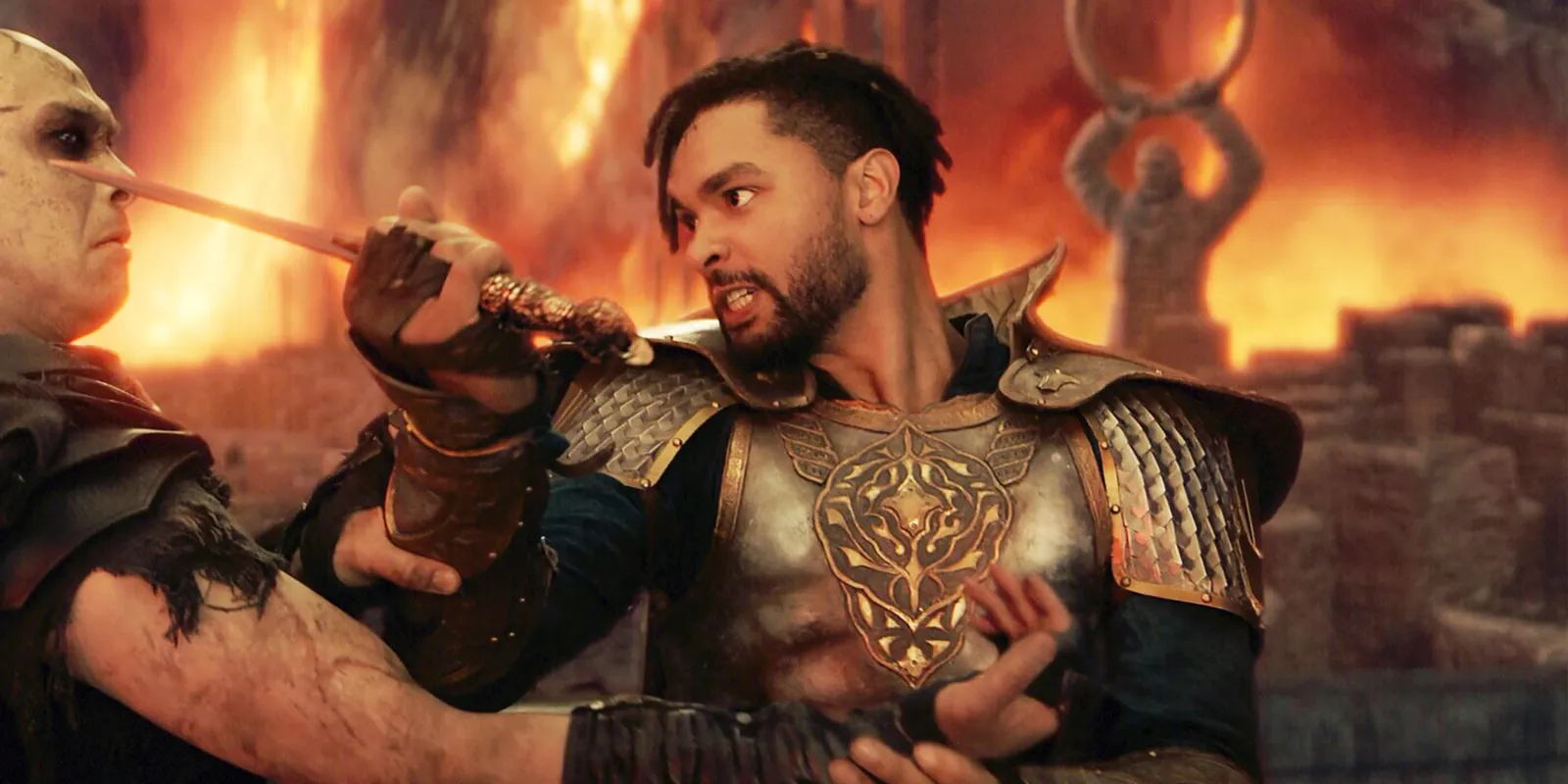
Chris Pine stars in Dungeons & Dragons: Honor Among Thieves, which is topping streaming charts as a sudden hit. For decision-makers, the story is about how mainstream franchise IP can convert into measurable viewer demand fast.
A surprise box-office universe is quietly behaving like a streaming business. Dungeons & Dragons: Honor Among Thieves, based on the tabletop game and starring Chris Pine, is now topping the streaming charts, the kind of momentum that can reshape what platforms and investors treat as “safe bets” this quarter.
The Collider write-up frames the moment as a sudden streaming hit, not a slow burn. That distinction matters because streaming performance is often interpreted through speed and concentration of viewership, not just eventual totals. When a film that already has a core fan base can break into broader audience watching patterns quickly, it changes the conversation around what drives engagement on modern services.
To understand why this is catching attention, you need one comparison point: Netflix’s own royalty-free romance machine, Bridgerton. The article notes that one of the most successful Netflix shows of all time is the period drama Bridgerton, with the most recent fourth season and the Cinderella story of Sophie Baek (Yerin Ha) proving hugely successful. Season 4, Part 1 was watched by 6.4 million households during the live plus three-day period, a 52% increase on Season 3's premiere. That is the streaming scoreboard executives care about: early household viewing velocity.
Now zoom back to the D&D movie. The common thread between a monster Netflix series and an IP-based fantasy film topping charts is not “genre” in the abstract. It is audience conversion under distribution constraints. Platforms decide what to highlight, markets decide what to message, and viewers decide whether the thing feels worth their time. When a franchise title based on a tabletop game and anchored by a recognizable lead like Chris Pine shows up as a streaming chart leader, it suggests the conversion funnel is working.
This is where incentives show up. Studios and streamers both want predictable demand, but they rarely get it from a single lever. Netflix, for example, is constantly balancing catalog strategy, licensing, and originals, while also betting that viewers will stick through season arcs. A Bridgerton season premiere jumping to 6.4 million households in live plus three-day, with a 52% increase versus Season 3's premiere, is exactly the sort of performance that de-risks renewal and marketing spend.
For film titles like Dungeons & Dragons: Honor Among Thieves, the incentives are different but the logic is similar. Streaming platforms want content that can drive discovery and engagement without turning the home screen into a museum. Meanwhile, investors and executives want leading indicators they can point to when negotiating budgets, windows, and future rights. The Collider report’s framing, “a sudden streaming hit,” functions like that leading indicator. It is not just that people watched. It is that watching accelerated enough to matter.
Regulatory background is not a headline here, but the operational reality is. In streaming markets, the compliance burden is often about classification, consumer protection rules, and rights management rather than “should fantasy exist?” Executives still have to ensure titles clear distribution obligations across territories and platforms, and that advertising claims and metadata align with local requirements. When a title is already built on a globally recognizable property like Dungeons & Dragons, the compliance work is usually about ensuring the packaged experience is consistent, not inventing anything new.
The second-order implication for boards, operators, and distribution leaders is how they think about franchise economics. Bridgerton demonstrates that audiences will reward an ongoing world with emotionally legible stakes, in this case a Cinderella story of Sophie Baek (Yerin Ha). The D&D success points to a different kind of legibility: the tabletop roots and fantasy setting provide an instant “why this, why now” hook. Put simply, both stories appear to be winning because they are translating pre-existing attention into measurable viewing during critical early windows.
Strategically, peers in similar roles should treat this as more than a fun entertainment footnote. Chart-topping streaming performance can influence everything from content acquisition priorities to marketing allocation and the sequencing of release plans. If executives are underwriting future slate choices based on early audience signals, the headline lesson is clear: when a franchise with a built-in identity meets a mass platform distribution moment, it can pop into top-of-chart visibility fast, and that speed will increasingly drive decision-making.
This story's Key Insights and Take-aways are locked.
Create a free account to unlock Executive Actions for one credit.
Register to UnlockAlways free for Executives Club members. Join the Club
More in Entertainment

Olivia Rodrigo’s third album blasts past Spotify’s all-female first-day streaming record
Billions Club era hits a new peak: Spotify and Amazon cite top single-day and 24-hour global debuts after June 12.
All 8 Harry Potter movies leave HBO Max and Peacock next month
Streaming rights unwind right as July hits, shrinking the “rewatch” window for fans and the ad inventory for platforms.

Final Fantasy 7 Remake ends, and 5 fan theories may actually be right
As the trilogy closes, the most plausible “revelation” theories could reshape how you read the entire FF7 storyline.