
Chris Williams wraps eight months on the ISS, then heads home to Earth
NASA astronaut Chris Williams returned from an eight-month first ISS mission packed with cancer, semiconductor, and solar-power wins.
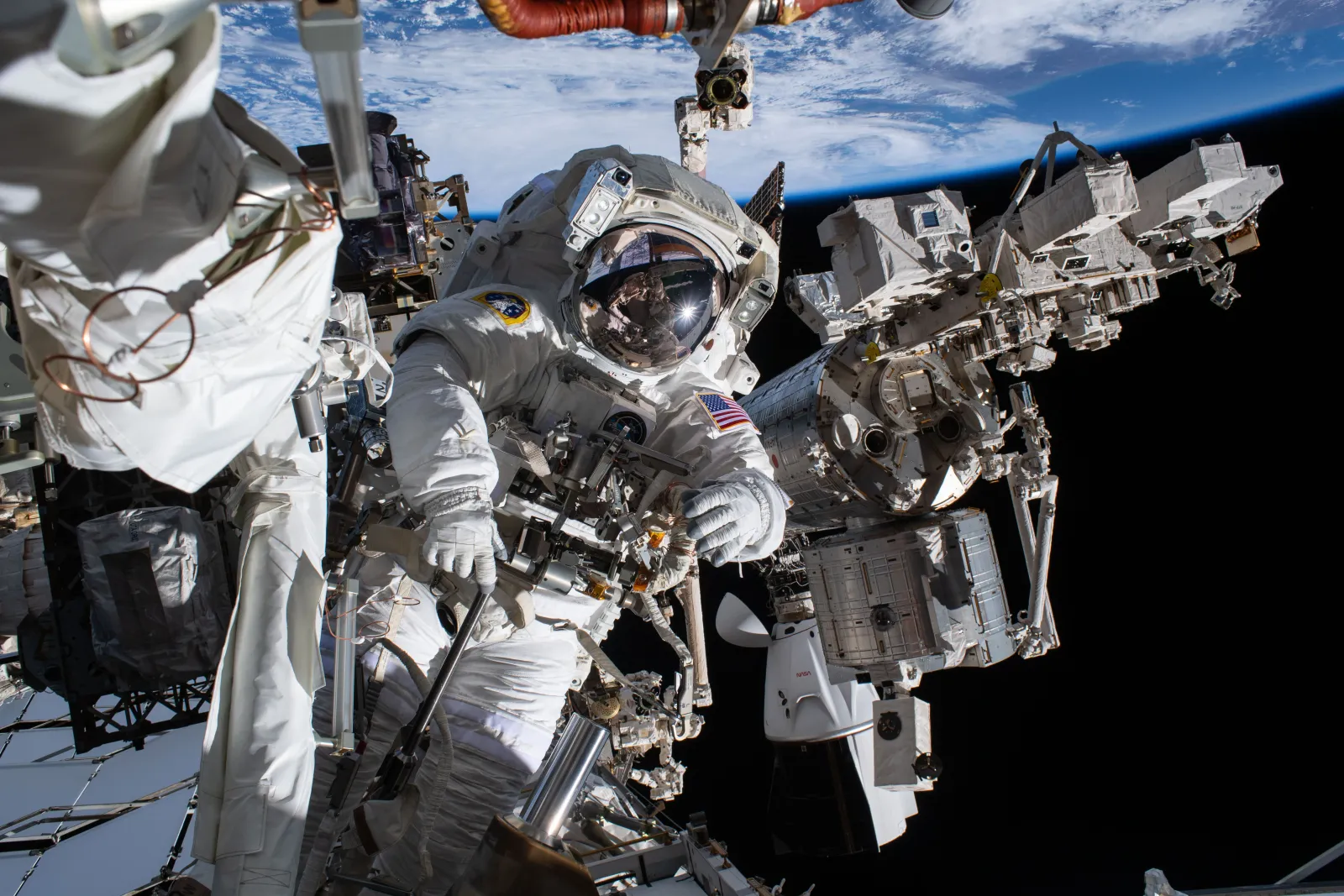
NASA astronaut Chris Williams is preparing to return to Earth after eight months aboard the International Space Station for his first mission. His work spanned targeted cancer research, space-grown semiconductor and protein crystals, two spacewalks, cargo capture support, and biofilm prevention tests.
NASA astronaut Chris Williams is preparing to return to Earth after eight months aboard the International Space Station for his first mission, closing out a research and operations stretch that directly ties to life on Earth and future Moon-and-Mars planning. During his assignment, Williams contributed to research for new cancer treatments, advanced production of materials to improve computers and electronics, completed two spacewalks, and worked across medical, robotic, and sanitation investigations.
The punchline for executives is simple: this is not “cool science” in a vacuum. Williams' mission was designed to test whether microgravity can produce better materials and safer systems, and then feed those results back to Earth. NASA says his work helped improve life on Earth and prepare for future missions to the Moon and Mars, and the highlights make the case across several industries at once, from healthcare to semiconductors to aerospace operations.
Start with the cancer research. Williams helped process DNA-inspired materials alongside ESA astronaut Sophie Adenot, using rod-shaped constructs that can form more evenly and consistently in space. The goal is targeted cancer therapies that reach deep into solid tumors, stay in the body longer, and release medicine more controllably. The underlying problem is familiar but brutal: many advancements in cancer therapy still come with side effects because treatments can affect the whole body without fully treating solid tumors. If microgravity can improve the performance and readiness of these materials, it could translate into more precise delivery options back on Earth. NASA points to “DNA Nano Therapeutics-3” as the referenced effort.
Then there is the semiconductor angle, the kind that catches the attention of anyone thinking about compute, AI, and medical tech. Williams conducted research to grow semiconductor crystals in space, where microgravity lets researchers grow more crystals of the desired size than can be produced on Earth. NASA notes that prior research indicates space-grown crystals can offer increased performance, helping advance technologies like high-performance computers, artificial intelligence, and medical devices. This also lays groundwork for commercial semiconductor manufacturing in space and advances the semiconductor industry, with NASA citing “In-Space Production of Semimetal-Semiconductor Composite Bulk Crystals in Microgravity ( SUBSA-InSPA-SSCug ).” For decision-makers, the second-order effect is that “better crystal quality” can become a platform capability, not a one-off experiment.
Williams also supported microgravity medicine through protein crystal growth for pharmaceuticals. Working with hardware, he supported development of new cancer and disease treatments by studying how protein crystals for pharmaceuticals grow. NASA says that in space, protein crystals form higher-quality structures than on Earth, letting researchers better understand how to target and treat disease. The specific project referenced aims to develop a new formula for a cancer treatment that could be taken orally, with NASA pointing to “Pharmaceutical In-space Laboratory ( ADSEP-PIL-10 ).” If you are tracking pipelines from lab outcomes to scalable manufacturing, the implication is that microgravity may improve the initial biological “instruction set” used in therapy design.
Beyond lab work, his mission reached into power and station readiness, including two spacewalks. NASA says that in June he helped make repairs to Canadarm2, the robotic arm that captures cargo spacecraft and deploys external research. In March, he prepared the orbiting laboratory for new solar arrays to be added during a future spacewalk. Those arrays are part of the International Space Station Roll Out Solar Arrays, and NASA states that once installed the final set of IROSA will complete the full suite of additional solar power, increasing the station's power generation by about 30% and enhancing support for scientific research and daily operations. NASA also notes that the same solar array technology powered NASA's Double Asteroid Redirection Test and could support future missions to the Moon and Mars, citing the station’s IROSA work.
Williams also touched operational safety and logistics. NASA describes him working on an investigation that tests ultraviolet light to help prevent microbial colonies, called biofilms. Biofilms can clog and contaminate water systems, damage equipment, and pose health risks to astronauts. The research aims to keep surfaces cleaner and safeguard systems during long-duration space missions, and using UV light for sanitation could reduce the need for chemical disinfectants in space. NASA adds that this could decrease the risk of chemical exposure and eliminate difficulties in transporting or storing supplies. The referenced investigation is “Germicidal Ultraviolet Light Biofilm Inhibition ( GULBI ).”
And in the “keep the lights on and keep the station fed” category, he supported cargo capture. NASA says astronauts Jack Hathaway and Chris Williams watched from the cupola windows as Northrop Grumman’s Cygnus XL cargo spacecraft approached the station, and that the two played key roles in capturing the spacecraft. The cargo delivered approximately 11,000 pounds of supplies, including fresh food, life support equipment, and scientific research as part of NASA’s Northrop Grumman Commercial Resupply Services 24 mission. For boards and investors, the point is that recurring resupply underwrites continuous research, and continuous research is how you actually de-risk next-generation missions and downstream technology commercialization.
Finally, Williams’ mission included work with medical sample preservation, Earth observation context, and robotics. NASA notes that he worked with the Minus Eighty-Degree Laboratory Freezer for the International Space Station (MELFI) and human research, keeping biological samples at ultra-cold temperatures until they can return to Earth. Throughout missions, astronauts collect samples like blood and urine so scientists can understand how long-duration spaceflight affects the human body, which supports NASA protecting astronaut health for Moon, Mars, and beyond. NASA also highlights that since the 1960s astronauts have photographed Earth from space for monitoring changing landscapes, natural disasters, and other features over time, and that astronauts capture images of celestial objects such as comets, auroras, and the Milky Way, using Williams looking out at a red aurora above Earth as the moment. On automation, NASA says he worked on testing the performance of small robotic arms in space, where tiny errors can significantly impact results, improving designs for future automated systems that can perform operations while astronauts focus on the most critical tasks. The referenced work is “Test facility for lab-aUtomation System in Kibo ( TUSK ).”
Taken together, this eight-month closing act matters beyond one astronaut’s career. It is a preview of how NASA is trying to compress distance between R&D and real-world deployment: test materials and processes in microgravity, validate operational and safety needs in the station environment, and then carry the lessons forward for future missions to the Moon and Mars. For executives watching adjacent markets, the strategic question is whether space-supported R&D becomes a repeatable capability that de-risks manufacturing, improves therapeutic design, and reduces mission overhead through power, robotics, and sanitation upgrades.
This story's Key Insights and Take-aways are locked.
Create a free account to unlock Executive Actions for one credit.
Register to UnlockAlways free for Executives Club members. Join the Club
More in Science
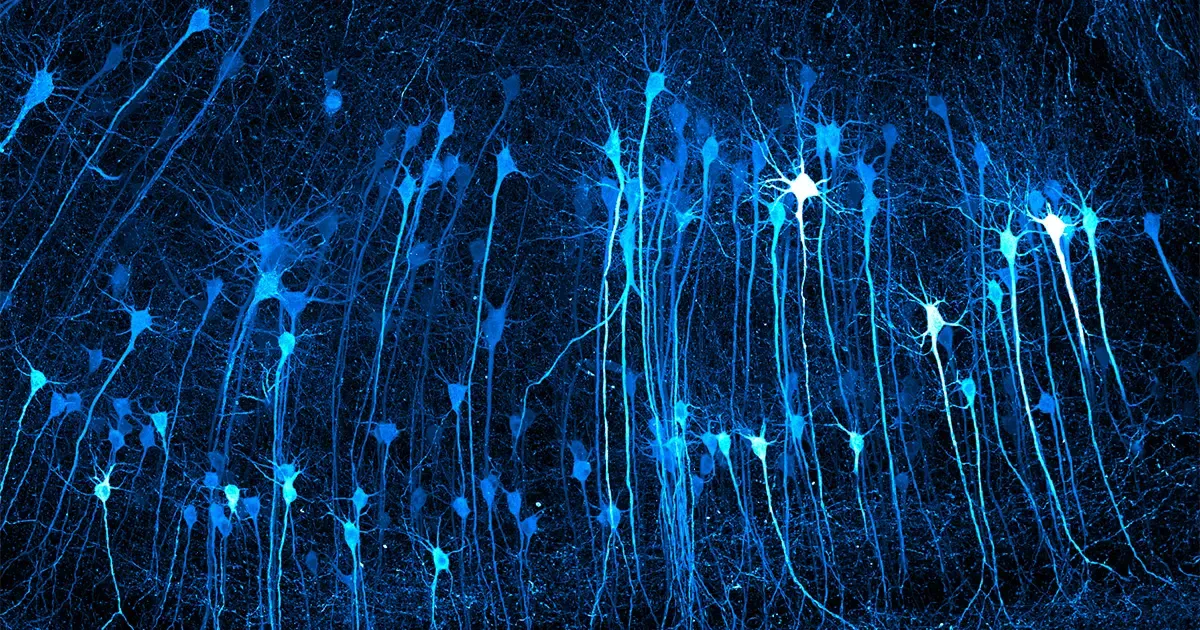
2026 Nikon Small World Winners Reveal the Hidden Machinery of Everyday Life
A mycologist's frozen Edinburgh garden became the backdrop for vivid views inside cells, a reminder of what advanced imaging now makes visible to researchers and the industries built on biology.
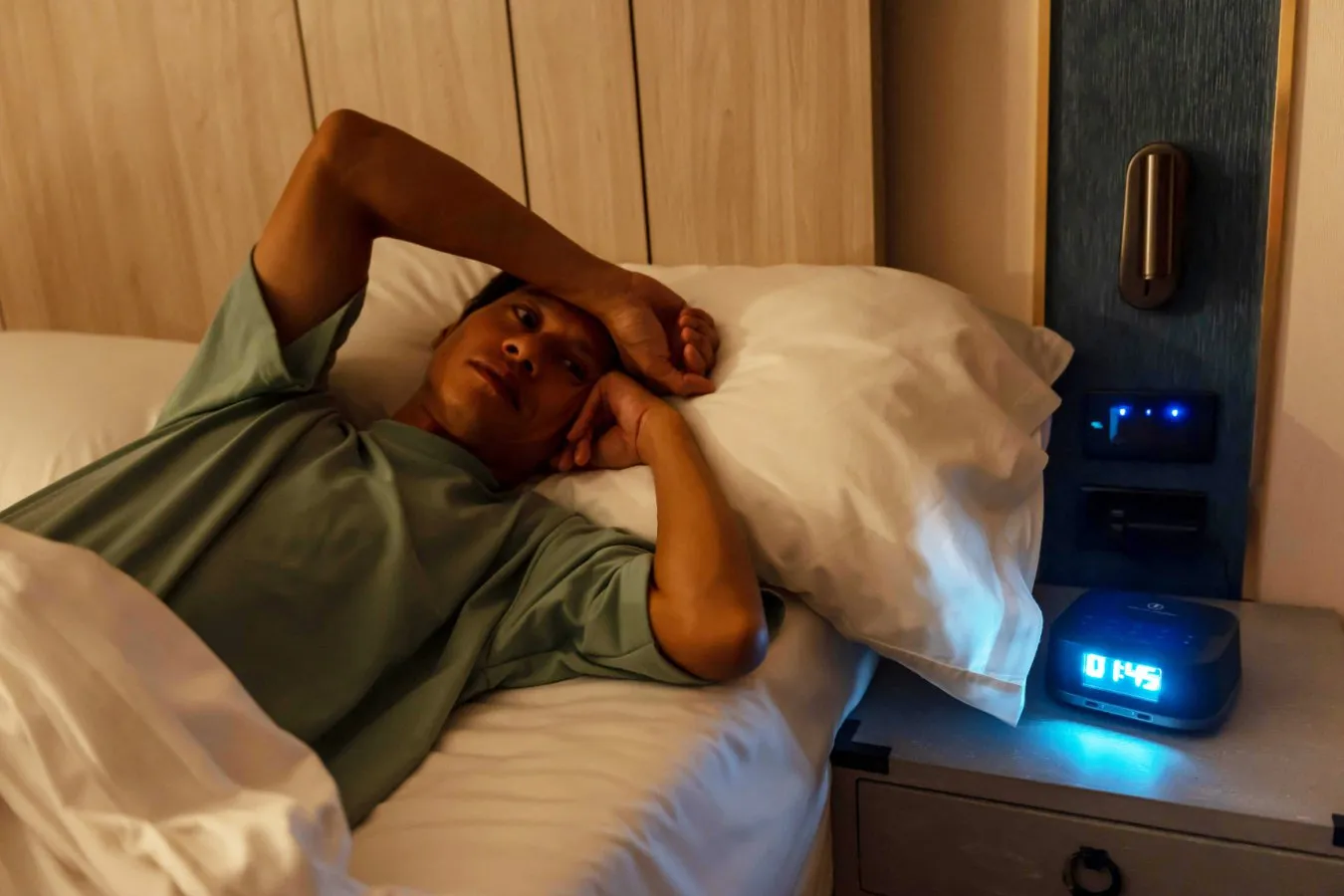
Study: 1 in 4 depression cases may be a body-clock problem, not a chemical one
A 10,000-person study finds standard antidepressants often fail these patients, but melatonin and morning sunlight may hit the real root cause.

Start-Up Says A.I. Designed a Virus to Attack One Patient's Superbug
If the claim holds up, personalized phage therapy could become a new frontline weapon against antibiotic resistance - but proof is far from final.