

Christopher Nolan warns Tarantino’s retirement plan is “dangerous” to lock down
Nolan says it is risky to treat Quentin Tarantino’s 10th film as a countdown. Here is why boards should care.
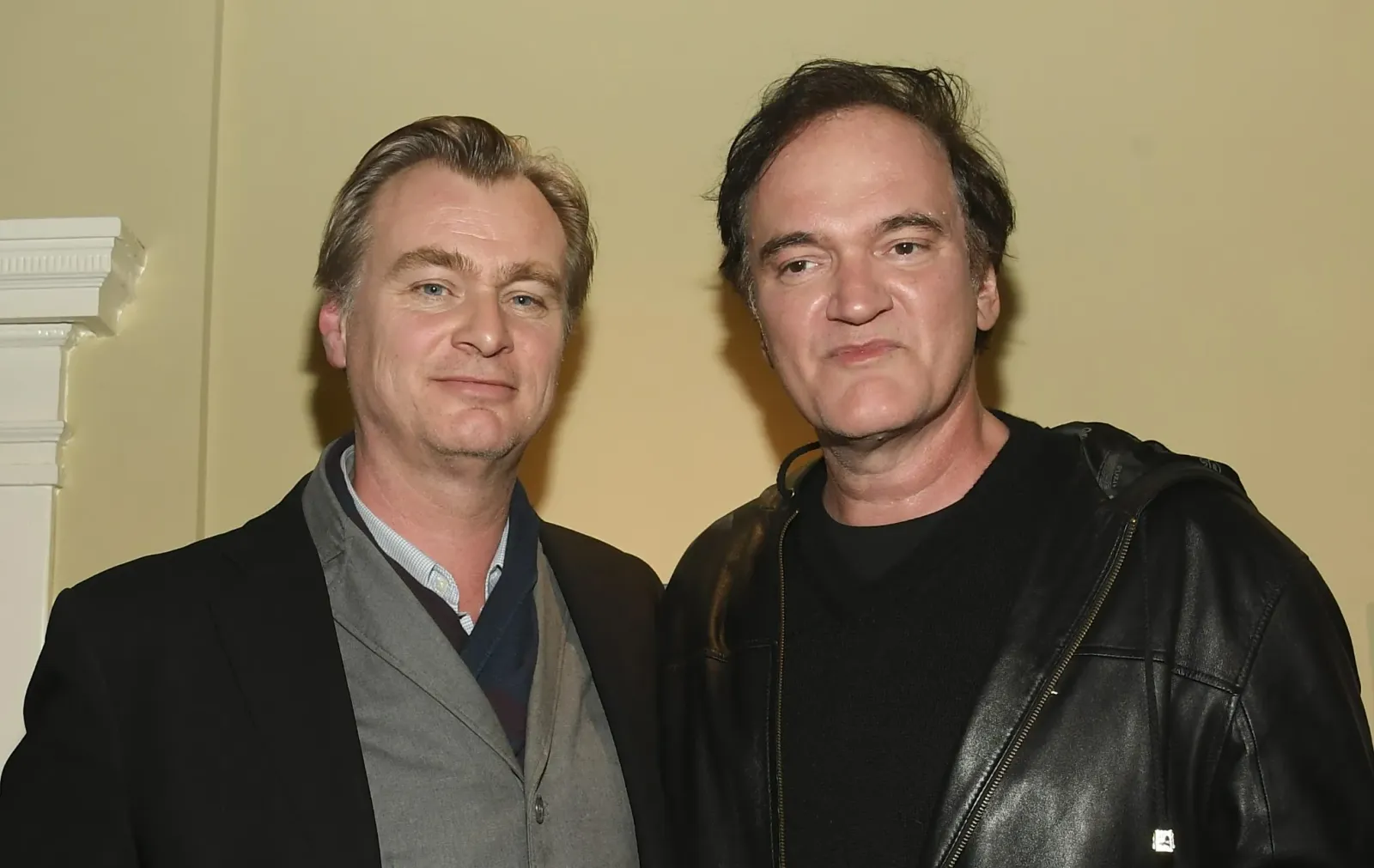
Quentin Tarantino has long discussed retiring from filmmaking after his 10th feature film, and whatever he makes next would be his swan song. Christopher Nolan, speaking to The Telegraph, said looking at that timeline “specifically” is “dangerous,” raising questions about how creative commitments get treated like guarantees.
Quentin Tarantino’s retirement plan has been floating around Hollywood for years: after his 10th feature film, he wants to step away from filmmaking. That frames his next movie as a potential swan song, not just another project on a slate. And when you treat a creative career like a fixed deadline, you start asking people to plan their expectations around a number, not a person. That is exactly the setup Christopher Nolan pushed back on.
Nolan told The Telegraph that it is “dangerous to look at it that specifically.” The point, as it lands in the moment, is simple: creative decisions are rarely as stable as the narrative around them. Even when an artist repeatedly signals a plan, the reality of execution, appetite, opportunity, and collaboration can shift. Nolan is not debating whether Tarantino’s 10th film matters. He is warning that locking onto the specificity of a retirement timeline can be a trap, because the plan is still a plan, not a contract.
To understand why this resonates beyond movie chatter, it helps to look at how the entertainment industry and its adjacent businesses actually run. Studios, talent agencies, distributors, and investors tend to build calendars like supply chains. If a headline implies “the last one,” everyone starts budgeting for a final act. That can affect how resources get allocated, how promotions are timed, and how other creators measure their own career pacing. It can also shape deal dynamics. For example, if stakeholders believe a major creative partner is nearing an endpoint, they may renegotiate leverage, push for faster commitments, or assume future projects will be fewer and therefore more valuable. None of that is officially written into a law. It is just how incentives work when people feel time pressure.
That is where Nolan’s “dangerous” comment matters. When you treat a retirement commitment as a countdown, you end up making decisions that depend on an outcome that the creator can still revise. Tarantino’s “next” movie is now implicitly evaluated as either confirmation of the swan song framing or a departure from it. Nolan’s skepticism suggests a different posture: respect the artist’s stated intent, but do not build your operating model on the assumption that an announced endpoint will behave like a guaranteed product launch.
There is also a governance angle, even if this is not a corporate boardroom story in the usual sense. When creative careers hit a “tenure mark,” people start acting like they are managing estates rather than projects. Stakeholders may push for certainty because certainty makes risk easier to price. But creativity has a way of resisting tidy scheduling. The tension is not just emotional; it shows up in execution risk. If plans are too tightly coupled to a final film storyline, then any change in timing, format, or creative direction can cause scramble. That can ripple into marketing partners, distribution negotiations, and downstream revenue expectations tied to audience perception.
Now add a market reality: audiences often convert career milestones into cultural events. If Tarantino’s next movie becomes the widely discussed “final” chapter, it can become a magnet for attention, subscriptions, and box office interest, even for people who do not usually chase the auteur-driven lineup. That attention has value. But it can also compress decision-making timelines. Stakeholders may feel they need to move quickly to capture the moment, and quick decisions are where mistakes happen.
On the regulatory and compliance front, there is no specific “retirement timeline” regulation that forces Nolan or Tarantino’s camp into a legal framework. Still, the broader rule set that shapes media businesses is relevant: contract language, disclosure obligations, and consumer protection standards all influence how companies communicate with markets and audiences. Companies usually cannot promise outcomes they cannot control, especially when those outcomes depend on individual creative choices. So even in a world powered by press tours and interviews, the underlying expectation is that statements should not harden into commitments that create misleading impressions.
Second-order, the Nolan comment implicitly challenges how the industry narrates intent. People sometimes treat an artist’s words like a signed timeline, then act surprised when the human reality changes. Nolan calling it “dangerous” is a reminder that filmmaking is not a stopwatch. The more stakeholders build plans around a specific “next after the 10th” framing, the higher the cost of a surprise.
So what should decision-makers take from this? Whether you are a producer building a slate, an investor underwriting a media portfolio, or a board overseeing a company that depends on star power, the strategic stake is the same: do not mistake an expressed plan for an operational guarantee. Tarantino’s possible swan song is culturally huge, but its execution is still subject to revision. Nolan’s warning is basically an incentive check. Respect the story. Avoid the trap of treating it like math.
This story's Key Insights and Take-aways are locked.
Create a free account to unlock Executive Actions for one credit.
Register to UnlockAlways free for Executives Club members. Join the Club
More in Entertainment

12TB Steam 'teraleak' goes beyond Valve: GTA 3, Mafia 2 prototypes exposed
A 12-terabyte dump of Steam data reveals prototypes and builds of third-party classics like GTA 3 and Mafia 2, plus unreleased Valve content, rewriting game history.

LinkedIn's romance problem: 1 in 4 workers say dating on it is fair game
A new survey shows a quarter of U.S. employees treat the professional network as fair game for romance, even as LinkedIn bans it and removes hundreds of thousands of offending posts.

Enhypen's first No. 1 album breaks K-pop's Billboard 200 streak
The K-pop group's 98,000-unit debut tops the chart while Dolly Parton's catalog reentry shows how death reshapes streaming.