
Colleges’ tests show some students perform like 10-year-olds, not typical graduates
A hidden gap in learning outcomes is forcing boards to rethink admissions, support, and accountability now.

The Economist reports that some students at colleges and universities test no better than ten-year-olds. For decision-makers, it signals that academic outcomes may be weaker than performance metrics suggest, raising new pressure for accountability.
Some college and university students test no better than ten-year-olds. That is the blunt core of the reporting: learning outcomes that look nothing like “higher education” if you measure them against basic skills.
The scary part for executives is that this is not about a small edge case or a niche group. The framing is that “some” students at college or university are performing at levels comparable to ten-year-olds, which implies a mismatch between what institutions claim to deliver and what a test of achievement indicates in the real world. In other words, the problem is not hypothetical. It is measurable.
To understand why this matters, zoom out to how higher education and its governance typically work. Universities and colleges run on a bundle of incentives: recruitment pipelines, tuition revenue, research prestige, and brand. Boards and leadership teams often manage those levers through proxies such as enrollment targets, retention, graduation rates, employment outcomes, and student satisfaction. Those proxies can be useful. But they can also become a comfort blanket, because they do not always directly capture foundational learning. A student can remain enrolled and even graduate while still demonstrating weak mastery of core skills.
That is where tests come in. The reporting line you cannot ignore is that some students “are testing no better than ten-year-olds.” Even without a detailed breakdown of subject, location, or the exact testing method in the excerpt, the implication is straightforward: if educational systems were truly raising skill levels, you would expect a distribution that sits far above a ten-year-old baseline for most college students. The fact that “some” are not suggests that parts of the pipeline may be leaking. Admissions standards, remedial education, teaching quality, curriculum alignment, and assessment practices can all contribute to that kind of gap.
Second-order implications show up in governance. Boards that focus on performance through dashboards may be blindsided by what a direct learning assessment reveals. If an institution’s metrics do not correlate with learning, leadership can end up steering the ship by the wrong instruments. That is not just an academic concern. Public scrutiny and student expectations can rise quickly when the public learns that “college” does not always translate to “competence,” especially when basic literacy or numeracy tests are the benchmark.
Then there is the funding angle. In many education systems, financial flows are influenced by outcomes or at least by public perceptions of outcomes. When learning is called into question, pressure builds for reforms such as earlier intervention, stronger support programs, and clearer accountability. Even when regulations do not change overnight, stakeholders often react faster than the policy process does. Students, parents, employers, and taxpayers can all turn their attention toward learning evidence rather than process evidence.
Regulatory background matters because education oversight has historically leaned toward accountability. Governments and regulators frequently aim to reduce information gaps, ensuring institutions can justify what they deliver. When evidence suggests that some students test at ten-year-old levels, regulators are not forced to do something immediately, but they have a clearer evidentiary basis to justify oversight. In practice, that can mean demands for transparency in results, audits of curriculum effectiveness, or requirements for remedial pathways that are more than bureaucratic checkbox exercises.
Capital allocation decisions inside institutions can also shift. Leadership teams may decide to direct more resources toward tutoring, learning analytics, faculty training, curriculum redesign, or remediation that starts earlier in a student’s program. Those investments have opportunity costs. They compete with other priorities like facilities, athletics, or expansion plans. A learning outcome crisis puts boards in the position of asking, “Are we funding the right activities to produce the promised results?”
Finally, this is a reputational issue with real downstream effects. Universities and colleges sell a promise: that by the time you enter the workplace or pursue further education, you have upgraded your skills. When credible reporting highlights that some students test no better than ten-year-olds, it can erode that promise and make recruiting, partnerships, and employer confidence harder. If employers start weighting learning assessments more directly, institutions that cannot demonstrate improvement on core skills may face increased friction in talent pipelines.
For peers in similar roles, the strategic stakes are simple. If your institution’s outward metrics do not track learning in a way that reflects what students can do, you can be “performing” without actually delivering. The Economist’s point is not subtle: some college students are learning less than you might assume. Boards and executives should treat that as a governance and strategy issue, not a public-relations problem. The goal is to align measurement with reality so you can manage outcomes you can defend.
This story's Key Insights and Take-aways are locked.
Create a free account to unlock Executive Actions for one credit.
Register to UnlockAlways free for Executives Club members. Join the Club
More in Politics

House again forces Iran war powers vote after Republicans join Democrats a second time
Second rebuke repeats the same pattern: a cross-party bloc demands authorization, raising new friction for the president.
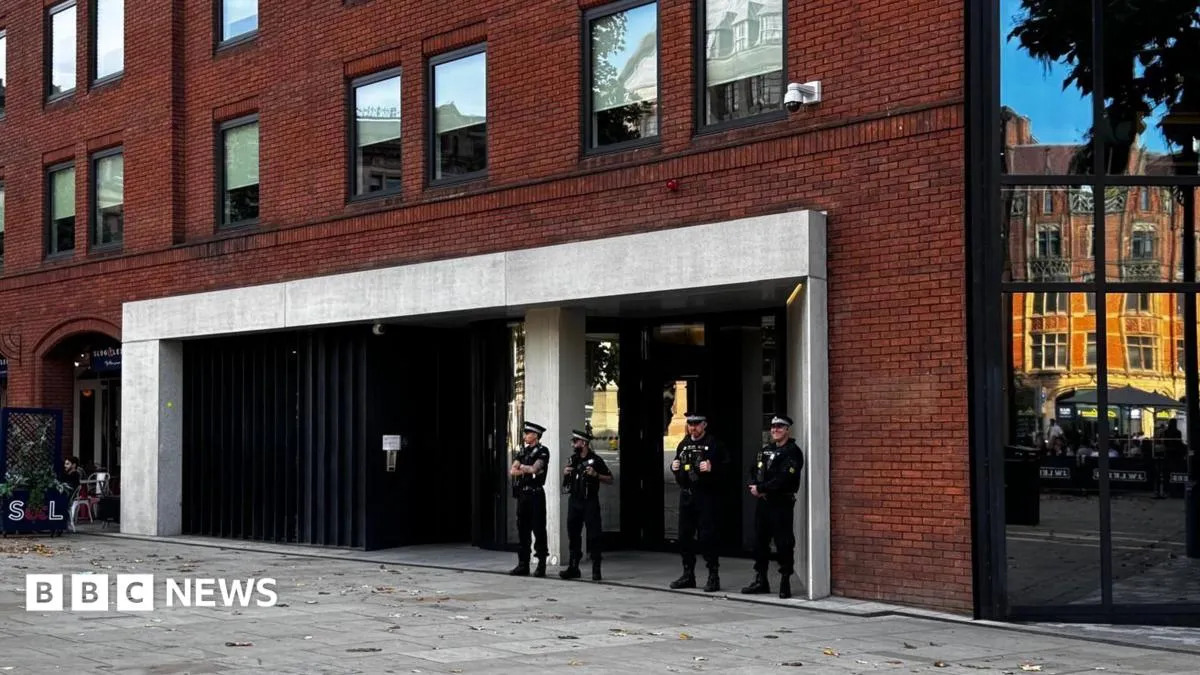
No 10 North blueprint targets up to 300 staff in 18 months
A think tank plan sketches a sizable No 10 workforce timeline, forcing ministers to confront staffing, cost, and control fast.

Burnham backs 20% cut to English pub business rates, not hotels or restaurants
From next April, some hospitality firms get a discount but hotels and restaurants are left out of the 20% break.