
Dave Chappelle books five-city 2026 arena run for June
The limited U.S. tour gives a quick read on live-event demand, routing discipline, and how marquee talent keeps arena economics tight.
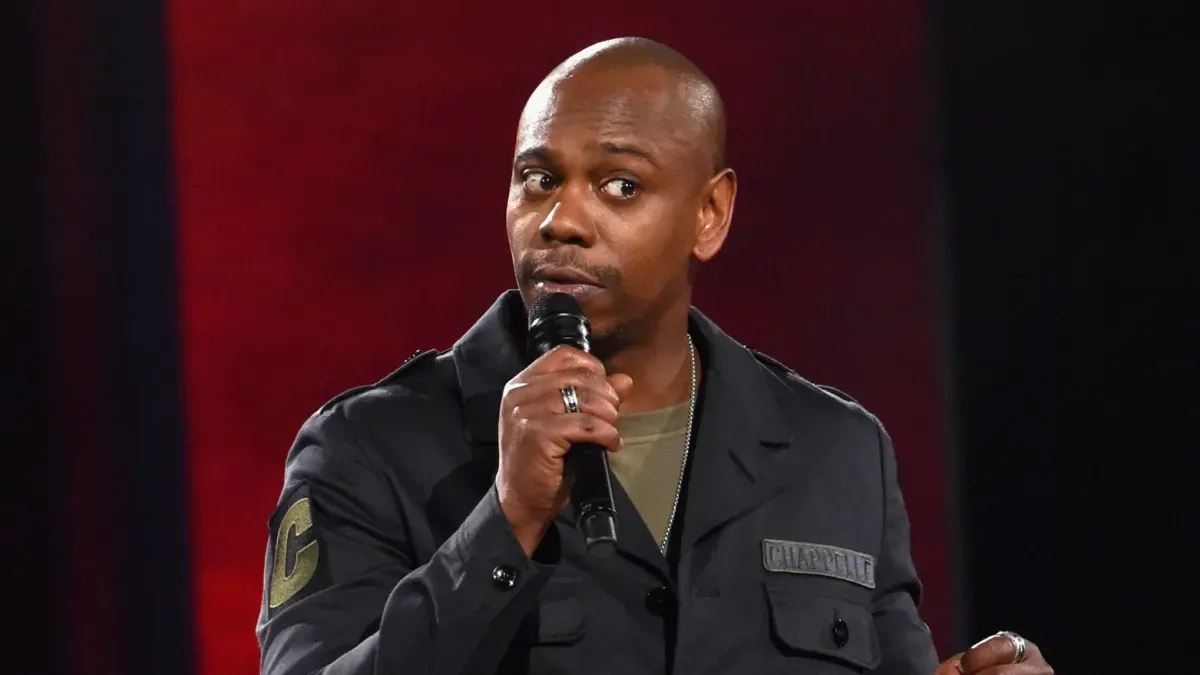
Dave Chappelle has announced a 2026 summer standup tour that spans five U.S. arena dates in June, beginning in Baltimore and ending in San Diego. For decision-makers in live entertainment, the limited routing underscores how top-tier comics can still command scarce arena inventory and concentrated demand.
Dave Chappelle has announced a 2026 summer standup tour, and the key detail is how tightly it is being run: five arena dates, all in June, all in the United States. That is not a sprawling, coast-to-coast road show built to maximize sheer volume. It is a limited arena swing that starts in Baltimore on June 12 and wraps in San Diego on June 21, with stops in Detroit, Cleveland, and Chicago in between. In a live-events market where artists are constantly balancing scale, venue economics, and fan demand, the narrowness of the routing matters as much as the headline itself.
For fans, the message is simple: if you want to catch Chappelle on this run, the window is small. For the business side, the message is more interesting. A five-date arena tour suggests a performer who can still justify large rooms without needing a full summer of dates to make the economics work. Arena tours are expensive machines to operate, and they are usually reserved for acts that can reliably pull enough buyers into big buildings to make the risk worth it. When an act like Chappelle books only a handful of those rooms, it tells you something about both his drawing power and the carefully managed scarcity around the ticketed event itself.
The tour begins in Baltimore on June 12, then moves to Detroit, Cleveland, and Chicago before closing in San Diego on June 21. That route is a clean, compressed sprint rather than a meandering travel schedule. In practical terms, that can mean fewer production moves, a tighter on-sale story, and a more controlled marketing push. It also means there is less room for slack if demand is uneven. Limited runs like this often turn into fast-moving ticket events because there simply are not many opportunities to see the show. That scarcity, whether intentional or not, tends to sharpen attention and push buyers to move quickly once tickets are available.
There is also a bigger context here for the live-entertainment business. Arena dates sit in a sweet spot between theaters and stadiums: they are large enough to generate major revenue, but not so massive that only the most enormous global acts can fill them. A five-date arena tour from a comedian underscores how comedy has become one of the most durable premium live categories. In an era when audiences can consume endless clips and specials online, the physical show still matters, especially for marquee names who can turn a night out into an event. For operators, that means well-known comics remain an important piece of the premium live calendar, not just a niche add-on to music touring.
Chappelle’s name also carries a specific kind of market gravity. Even without a long route, a tour announcement from a performer of his stature can move quickly through fan networks and ticket buyers because the supply is obviously limited. That matters for promoters, venues, and anyone watching how demand concentrates around recognizable talent. When a run is this short, every date becomes more meaningful. Each city on the schedule is not just another stop; it is a standalone market test, with its own local fan base, its own venue dynamics, and its own timing around pay cycles, travel, and competition from other events on the calendar.
For executives in live entertainment, the strategic lesson is less about one comedian and more about the mechanics of scarcity. Short, high-profile tours can create outsized urgency without requiring the artist to stay on the road for months. They can also reduce operational drag, because fewer dates mean fewer opportunities for the kinds of logistical and financial friction that grow on longer runs. At the same time, they place pressure on pricing, inventory management, and marketing accuracy. If the show sells out too fast, the route may have left money on the table. If demand softens, the limited nature of the tour can make each underperforming date more visible. That balance is the real game.
So yes, this is a Dave Chappelle tour announcement. But for anyone tracking the economics of live entertainment, it is also a reminder that scarcity is still a powerful business model when the name is big enough. Five dates, five cities, nine days. Enough to make noise, not enough to disappear into the calendar. For peers across comedy, music, and sports entertainment, the signal is clear: premium live demand is still there, but the smartest runs are increasingly the ones that stay tight, controlled, and hard to get into.
This story's Key Insights and Take-aways are locked.
Create a free account to unlock Executive Actions for one credit.
Register to UnlockAlways free for Executives Club members. Join the Club
More in Entertainment

Christopher Nolan’s “The Odyssey” posts his biggest Tuesday haul, surpassing “The Dark Knight’s” record
The film’s Tuesday breakout reframes Nolan’s box-office ceiling and forces competitors to rethink timing, budgets, and release strategy.

Kacey Musgraves cancels Aug. 20, 29, Sept. 2 Middle of Nowhere shows
Ticketmaster emails are telling fans refunds are coming, while the tour still starts Aug. 21 in Chicago.

Billie Joe Armstrong launches Epiphone Les Paul Junior and Marshall 1959BJA signature gear
Two limited releases turn decades of Green Day’s tone into branded hardware, including Marshall’s first artist amp in 14 years.