
Daveigh Chase dies at 35 after meningitis turned to sepsis in Los Angeles
The Ring and Lilo & Stitch actress died following meningitis complications, and the fallout extends beyond fans to studios.

Daveigh Chase, known for The Ring and Lilo & Stitch, died at age 35 after meningitis complications led to sepsis in a Los Angeles hospital, according to her longtime manager. For entertainment leaders, it underscores how sudden medical crises can abruptly affect ongoing publicity, legacy releases, and operational planning.
Daveigh Chase, the actress known for The Ring and Lilo & Stitch, died at age 35 after a bout with meningitis in a Los Angeles hospital escalated into sepsis, her longtime manager told the BBC.
That sequence matters because sepsis is not a slow, cinematic decline. It is a life-threatening medical emergency triggered when the body's response to infection damages its own tissues and organs. In other words, what begins as an illness can become an irreversible turning point quickly, and it can leave families and the entertainment ecosystem with almost no runway.
For people in studios, agencies, and production operations, the hard truth is that the work does not always pause when real life does. When an actor dies suddenly, the immediate focus goes to care and family privacy. But behind the scenes, companies also have practical questions that move fast: what happens to promotional schedules, event appearances, and press cycles; how rights holders handle catalog marketing; and whether any upcoming appearances, anniversaries, or tie-ins need to be reshaped. Even when no financial contract is “broken,” timing is everything in entertainment. A campaign can be built around a person’s availability, and then reality arrives with different terms.
Chase’s credits also highlight why her death is resonating commercially and culturally. The Ring connected her to a globally recognized horror franchise, while Lilo & Stitch placed her voice work in a long-running mainstream family property. That kind of dual footprint is exactly what makes an individual performer’s passing ripple across multiple audience segments. There is the fan community that reacts emotionally and instantly. There is also the business side, where legacy content often remains active for years through streaming, re-releases, merchandising, and algorithm-driven discovery. In practice, that means companies frequently revisit older work, sometimes right when a public moment changes the conversation.
From a governance perspective, boards and executives tend to think about continuity in terms of operations, key personnel, and reputational risk. In entertainment, “key personnel” is not always a CEO or producer. Sometimes it is a recognizable voice or face that anchors audience identity. That is why sudden losses can trigger internal review: What obligations are owed to collaborators? Are there any outstanding deliverables tied to the person? Does the company have existing statements, imagery usage rights, or marketing guidelines that need to be updated? The source states only that Chase died following sepsis after meningitis, but the operational implication is still clear. Companies need playbooks for sudden reputational and communications decisions, especially when a death is confirmed by someone close, such as a longtime manager.
It is also a reminder of the broader healthcare context that lies beneath celebrity headlines. Meningitis is an inflammation of the protective membranes covering the brain and spinal cord, and it can be caused by infections that spread through communities. Sepsis can then follow as the body’s response spirals. Those are medical facts, not entertainment plotlines. And that difference matters for decision-makers, because it keeps the response grounded in compassion rather than speculation. The BBC report attributes the cause and timing to Chase’s longtime manager. No other medical details are provided in the source, and there is no reason for executives to add to what is not known.
For peers across the industry, the strategic stakes are simple: manage the immediate reality, protect stakeholders, and avoid letting emotion degrade execution. Grief is real, and so is the need for careful communications that respect families while still meeting the responsibilities companies have to audiences and employees. If a performer’s work is already scheduled for visibility, executives should coordinate messaging and update plans to reflect verified information from credible sources. When it comes to legacy content, timing and tone can matter as much as budgets.
At the end of the day, the story here is not about metrics or market models. It is about a young actor, Daveigh Chase, dying at 35 after meningitis complications led to sepsis in a Los Angeles hospital, as her longtime manager told the BBC. For entertainment leaders and anyone running creative businesses, the second-order lesson is that resilience planning must include human contingencies, not just financial ones.
This story's Key Insights and Take-aways are locked.
Create a free account to unlock Executive Actions for one credit.
Register to UnlockAlways free for Executives Club members. Join the Club
More in Entertainment

Reacher season 4 trailer at SDCC 2026 teases a subway death and a high-places villain
Prime Video’s Alan Ritchson returns August 12, with Christopher Rodriguez-Marquette and Agnez Mo drawn into the deadly mess.
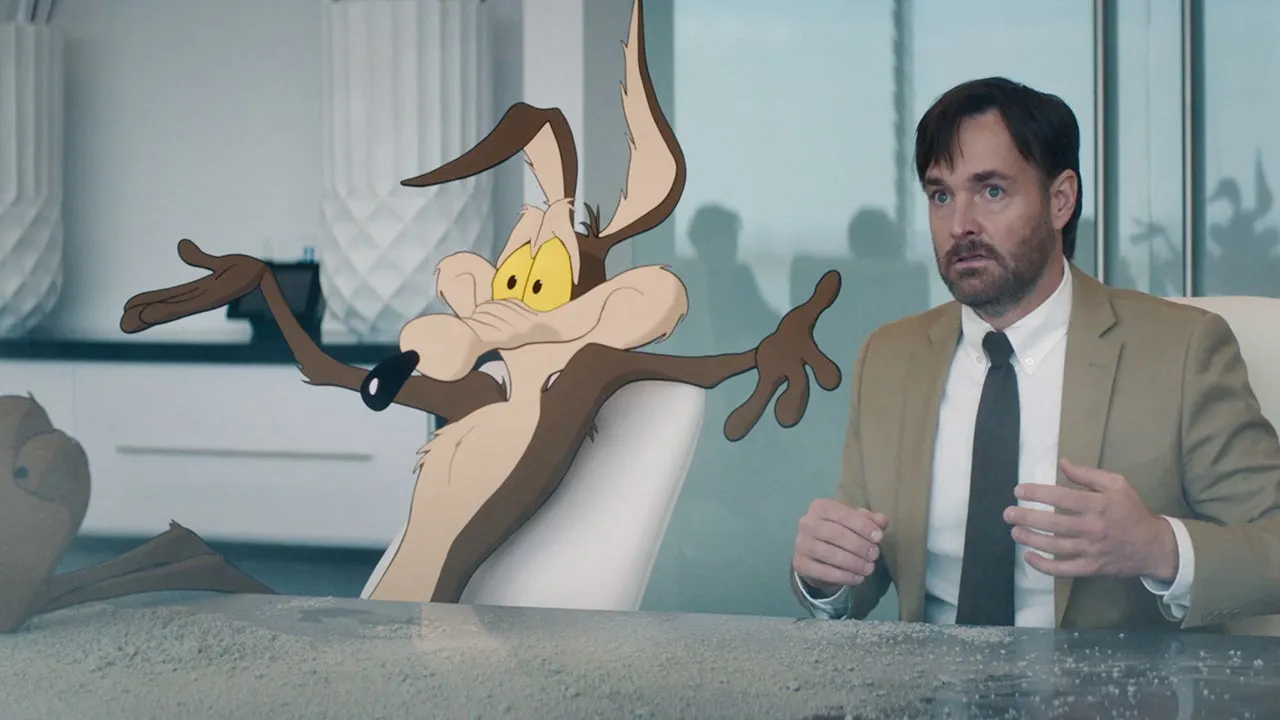
Dave Green confirms Coyote vs. Acme Blu-ray, with John Cena outtakes “not PG-rated”
The director promises unruly physical extras, plus a reminder that Warner’s shelving decision still echoes in release strategy.
Nongshim sells KPop Demon Hunters ramen in the US, with Rumi, Zoey and Mira flavors
The Netflix animated film is now a packaged-food lineup, launching state-side instant noodle cups tied to characters.