
David Clayton-Thomas, 84, dies in Toronto hospital after Blood, Sweat & Tears hits
The lead singer of Spinning Wheel and You’ve Made Me So Very Happy dies peacefully; legacy management becomes the next big task.
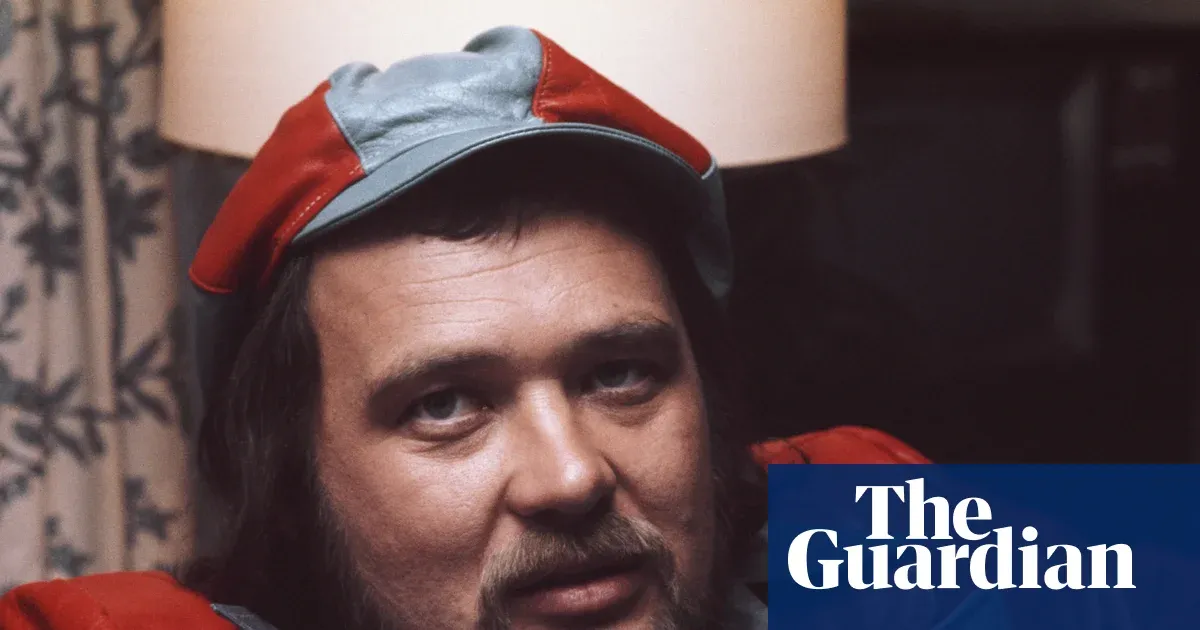
David Clayton-Thomas, lead singer of 60s and 70s band Blood, Sweat & Tears, has died at age 84 in a Toronto hospital. His publicist says he died peacefully, with no cause of death given, leaving estates, catalogs, and rights holders to manage the immediate aftermath.
David Clayton-Thomas, the Canadian lead singer of Blood, Sweat & Tears, has died at age 84 at a hospital in Toronto. His publicist said he died peacefully in the hospital, and no cause of death was given.
That confirmation matters because, in celebrity news, the gap between “died” and “how” can drive a frantic news cycle and downstream speculation. Here, the source is clean: peaceful passing, Toronto hospital, age 84, no cause of death provided. For decision-makers across music rights and legacy-facing businesses, it also sets a predictable timeline for what comes next, even when the underlying details remain intentionally undisclosed.
Blood, Sweat & Tears is the kind of name that still functions like a distribution channel for culture. The band’s major hits referenced in the report include “Spinning Wheel” and “You’ve Made Me So Very Happy.” Those songs are not just nostalgia. They are long-lived assets that keep generating value through licensing, streaming, radio play, and synchronization opportunities. When a frontman passes, those catalogs tend to get re-evaluated quickly, partly because public attention spikes and partly because rights and credits become the focus of fans, media, and business partners.
The music industry is built on layers of ownership: performance rights, mechanical rights, publishing, master recordings, and the often messy reality of who owns what across time and territories. Even though this story does not mention any particular contract or dispute, it still highlights a core operational truth for boards and executives: catalog governance cannot wait. When a key figure like a lead singer dies, companies responsible for estates, recordings, and branded legacy must verify credits, check metadata, and make sure registrations reflect reality. Inaccurate attribution can mean delayed royalty flows, misdirected payments, or costly corrections later.
This is also a reputational moment. Fans tend to treat the lead singer as the face of the band, even when the business side is owned by labels, publishers, and rights administrators. That is why the “no cause of death given” line is worth emphasizing. Publicists and estates often choose silence to protect family privacy and avoid speculation. For professionals managing public communications, that means aligning press statements across partners so the narrative is consistent, respectful, and not legally risky.
Zoom out to how these events ripple through the market. When a well-known act from the 60s and 70s re-enters the attention economy, streaming platforms and distributors usually see short-term spikes in listening. That can translate into immediate commercial interest for playlists, promotional placements, and retrospective content. While the Guardian piece does not describe any such market reaction, it is precisely this pattern that makes legacy deaths commercially meaningful. Companies that already have robust rights and reporting systems are better positioned to capture demand without scrambling.
There is also a board-level governance angle. Executives overseeing media properties often use “key-person risk” thinking, though they rarely talk about it in those terms. A lead singer is not just a performer; they are a brand anchor. Their passing can trigger internal reviews, from cash flow forecasts based on catalog performance to communications planning with affiliates. Even if the estate is separate from the corporate entity, the public-facing brand still needs a coherent strategy. The strategic goal is simple: honor the artist while preventing avoidable operational chaos.
For peers in adjacent roles, the lesson is not about morbidity. It is about readiness. When David Clayton-Thomas dies peacefully at a Toronto hospital at 84, the news becomes a near-term operational stress test for anyone who touches music assets tied to Blood, Sweat & Tears. The clock starts with confirmations like those provided by a publicist, then moves quickly to rights administration, royalty accuracy, credit audits, and public messaging. The people who handle those steps well can turn a moment of loss into a controlled, respectful continuation of the work.
In other words, this story is ultimately about more than a headline. It is a reminder that cultural icons are also economic infrastructure. When the lead singer of a major band passes away, the legacy machine does not stop. It just needs to be well-maintained.
This story's Key Insights and Take-aways are locked.
Create a free account to unlock Executive Actions for one credit.
Register to UnlockAlways free for Executives Club members. Join the Club
More in Entertainment
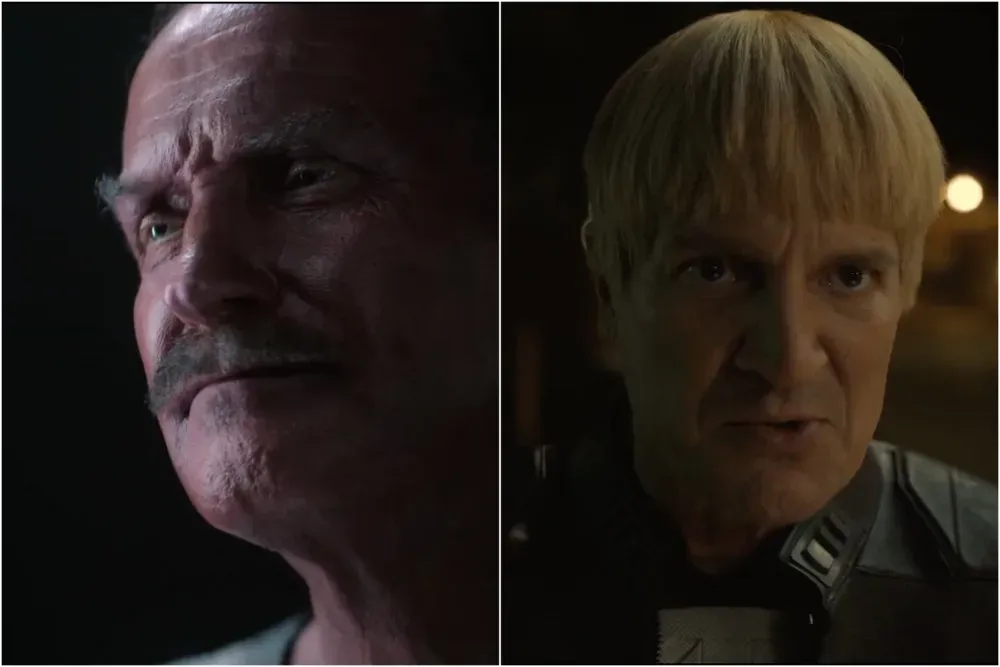
Hal Jordan in prison: Lanterns drops SDCC trailer, Aug. 16 HBO premiere looms
Kyle Chandler and Aaron Pierre headline HBO's Green Lantern-inspired mystery as Hal visits Sinestro and a Manhunter escapes.

Eddie Brock becomes Venom again in October 2026, after Queen in Black ends
Marvel resets Venom’s status quo with a new ongoing series by Charles Soule and Tommaso Bianchi.

Bad Bunny’s $467.5M DTMF tour ends July 22, shattering Boxscore records worldwide
The Debí Tirar Más Fotos World Tour wraps with $467.5 million, 3.1 million tickets, and record-setting reach across five continents.