
David Jonsson is cast as T'Challa's son in Black Panther 3, debuting Dec. 15, 2028
The MCU sequel lines up a new lead and a Prince-of-Wakanda coming-of-age plot as Disney targets a precise 2028 release window.
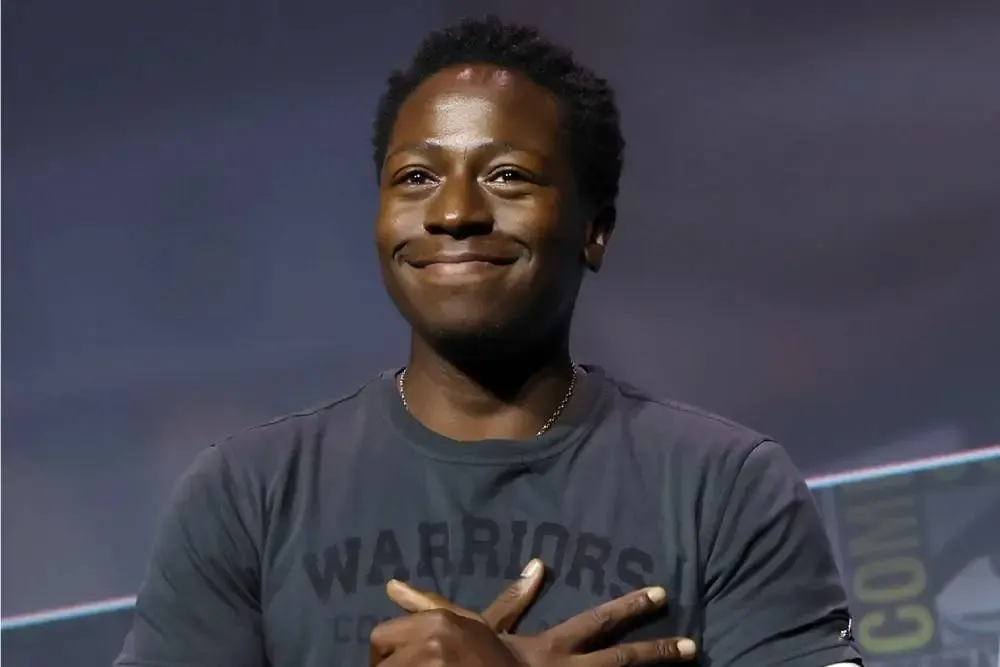
David Jonsson has been cast as the next Black Panther and will play T'Challa's son in Black Panther 3, set for Dec. 15, 2028. The film will follow Jonsson's character, Prince T'Challa II, as he comes of age after being introduced as a child in Black Panther: Wakanda Forever.
Black Panther 3 just got a lot more specific, and it is not just “the franchise is back.” Variety reports that David Jonsson has been cast as the new Black Panther, and that he will play T'Challa's son. The movie is scheduled for Dec. 15, 2028, which matters because big studio calendars do not tolerate hand-waving. They tolerate planning, lock-ins, and trade-offs.
Equally important: Black Panther 3 will follow Jonsson’s character, Prince T’Challa II, as he comes of age. In other words, this is not a behind-the-curtain recast, it is a story-forward baton handoff. Jonsson was introduced as a child in Black Panther: Wakanda Forever, and the sequel is set to pick that thread up as Prince T’Challa II grows into the role that fans associate with the Black Panther mantle.
If you are a decision-maker watching Hollywood from the outside, the headline is a character decision with real operational consequences. Casting is not only creative. It becomes scheduling gravity, marketing architecture, and long-lead planning across production, post-production, and distribution. When a release date is pinned to a specific day, it creates a forcing function: every department has to line up to deliver assets on time, and every creative choice has to be evaluated against the calendar. “Dec. 15, 2028” is a date you set when you think you can actually ship, not when you are hoping.
For boards and investors, the second-order story is how franchises manage continuity after a major character cycle. The MCU built an ecosystem where audience expectations are not just about plot, but about identity. Black Panther is not a random hero property. It sits at the intersection of cultural significance, blockbuster economics, and brand trust. A coming-of-age arc for Prince T’Challa II is a clean narrative mechanism to transition audience attachment from one era to the next, while still keeping the mythology anchored. That continuity helps reduce the risk that a sequel feels like a reboot in disguise.
There is also a practical incentive in making the handoff diegetic. Since Prince T’Challa II was introduced as a child in Black Panther: Wakanda Forever, the audience already has a reference point. That continuity can reduce onboarding friction, especially in a franchise where viewers may arrive at different times. In business terms, it is like retaining the customer’s mental model before you ask them to learn a new product. The sequel is essentially saying: the character you saw before is not a placeholder. He is the next chapter.
Then there is the strategic context of timing. December release windows are premium real estate because they are built for family viewing, awards-season chatter, and peak consumer attention. Setting Black Panther 3 for Dec. 15, 2028 is a signal that Disney and its partners intend to treat it like a flagship, not a filler title. That impacts the competitive landscape too. Other studios plan around December. If you are a peer operator trying to forecast your own slate, you now have one more anchor pegged to the holiday calendar.
Regulatory and compliance background is less about this specific casting news and more about how it fits into broader film governance. The entertainment industry operates under constraints ranging from labor rules and location permits to union schedules and international distribution requirements. Those are not “news” in the way casting is, but they are always present in the background. A fixed release date can intensify these constraints by narrowing the timeline for approvals, production compliance, and post-production deliverables. Even without anything new in today’s report, the specificity of the date implies the production is already moving through these constraints with intent.
Bottom line: David Jonsson is not just another name attached to a sequel announcement. He is the next Black Panther, playing T’Challa’s son, Prince T’Challa II, and the story is structured around his coming-of-age arc after his introduction as a child in Black Panther: Wakanda Forever. For everyone in media strategy, studio operations, and franchise management, the stakes are clear: the ability to execute a credible character transition on a locked holiday date is how franchises protect their long-term value, keep audience trust, and reduce the risk that the brand feels untethered from its own lore.
This story's Key Insights and Take-aways are locked.
Create a free account to unlock Executive Actions for one credit.
Register to UnlockAlways free for Executives Club members. Join the Club
More in Entertainment

Ali G's 'stooge' says he was in on joke, outplayed Sacha Baron Cohen
A 54-year-old aspiring actor says he recognized Sacha Baron Cohen mid-shoot, kept his MAGA act up, and let the film-makers think they had fooled him.

Entertainer Russell Brand denies 7 sex charges amid accuser's 'couldn't breathe' claim
The alleged victim's account sharpens the reputational and legal stakes for Brand, his platforms, and any business tied to a public figure under criminal scrutiny.

Russell Brand's accuser 'bewildered and confused' as he denies 7 sex charges
The criminal case against the comedian is a live test of how media companies manage talent risk when serious allegations go public.