
Dean Blunt and Joanne Robertson’s MediaFire drop features A$AP Rocky, Jeremih, Vegyn, more
The duo reunites with Elias Rønnenfelt to share an album via MediaFire, raising questions about distribution and audience access.

Dean Blunt, Joanne Robertson, and Elias Rønnenfelt have reunited to share a new album via MediaFire. The project features A$AP Rocky, Jeremih, Vegyn, Wraith9, evilgiane, and the Last Artful, Dodgr, and it follows their 2024 run with Backstage Raver.
In 2024, Dean Blunt and Joanne Robertson released the joint album Backstage Raver, and the track "repeat offenders" included Iceage's Elias Rønnenfelt. Now the three musicians have reunited, and they are distributing a new album via MediaFire, with guest appearances from A$AP Rocky, Jeremih, Vegyn, Wraith9, evilgiane, and the Last Artful, Dodgr.
This is the kind of move that makes music-industry folks sit up: it is "somewhat official" distribution, but it is happening through a file-sharing platform more commonly associated with side-loading than label-grade rollout. For executives and operators watching the ecosystem, the headline stake is straightforward. When artists route release attention through MediaFire, they are effectively choosing access patterns, discovery mechanics, and timing control that differ from mainstream streaming-first playbooks.
To understand why this matters, zoom out. Backstage Raver was already a signal that Blunt and Robertson are willing to treat collaboration as a core operating system, not a marketing afterthought. Their earlier joint work, plus the standout "repeat offenders" track that credited Elias Rønnenfelt of Iceage, tells you the network effect is intentional. This latest reunion leans into that same structure, but with a twist: adding higher-profile collaborators like A$AP Rocky and Jeremih, while still keeping the center of gravity inside the Blunt-Rønnenfelt-Robertson orbit.
The guest list itself reads like an audience map. A$AP Rocky brings mainstream visibility and cultural gravity, while Jeremih is tied to a different lane of melodic R&B history. Vegyn and Wraith9 add a more experimental electronic edge, and evilgiane and the Last Artful, Dodgr keep the project rooted in alternative rap and underground circles. When these names land on an album shared via MediaFire, it raises a practical question for decision-makers: what is the intended funnel? Is this a direct-to-fan distribution choice, a hype engine built for rapid sharing, or an accessibility experiment that bypasses platform gatekeeping?
There is also a second-order implication that matters beyond music. Executives in adjacent creative industries have spent the last several years trying to solve the same puzzle: how to get audiences without ceding too much control to centralized distribution systems. MediaFire occupies a very specific niche in that story. It is a platform where a release can travel quickly through communities, where links matter, and where the friction to share can be lower than it is in some streaming environments. That does not automatically mean better outcomes, but it does change what you measure and how you manage risk. If an album is "shared" rather than pushed through standard retail and playlist rails, performance becomes harder to attribute, but engagement can be faster.
Regulatory and rights framing is the other dimension executives should consider, even if this particular announcement does not spell out licensing details. Any time a release shows up on a file-sharing platform, the ecosystem’s legal and compliance questions get louder: who owns the rights, who cleared the samples and compositions, and how distribution terms are handled across territories. The source does not provide additional legal specifics, but for boards and counsel, the broader reality is that distribution channels influence enforcement pathways and scrutiny. In other words, changing the medium can change the compliance footprint.
Then there is the brand dynamic. Blunt and Robertson have never been positioned as artists who always chase the cleanest mainstream pipeline. That is part of the appeal for many fans, and it can also create a strategic advantage: when releases feel slightly off the expected track, they can become more collectible, more discussable, and more community-driven. Elias Rønnenfelt’s involvement in the earlier "repeat offenders" context and now the reunion theme reinforces that this is not a one-off. It is a pattern of building albums as gatherings, not just products.
For peers trying to build sustainable audience strategies, the stakes are real. Distribution choices affect discovery, timing, data visibility, and partnerships. If your goal is sustained growth, the question is not whether MediaFire is "better" than streaming. The question is what it does to your customer journey, your measurement clarity, and your ability to scale attention without losing control of narrative. Dean Blunt, Joanne Robertson, and Elias Rønnenfelt have opted for a route that prioritizes fast sharing and explicit collaboration visibility. The executive challenge is to interpret that choice accurately, then decide whether it is replicable in your world or simply a well-timed disruption that belongs to this corner of music culture.
This story's Key Insights and Take-aways are locked.
Create a free account to unlock Executive Actions for one credit.
Register to UnlockAlways free for Executives Club members. Join the Club
More in Entertainment

Deltarune Chapter 5 smashes 300,000 Steam peak just minutes after launch
Within minutes, Toby Fox's episodic RPG blows past its own record, changing what “momentum” looks like on Steam.
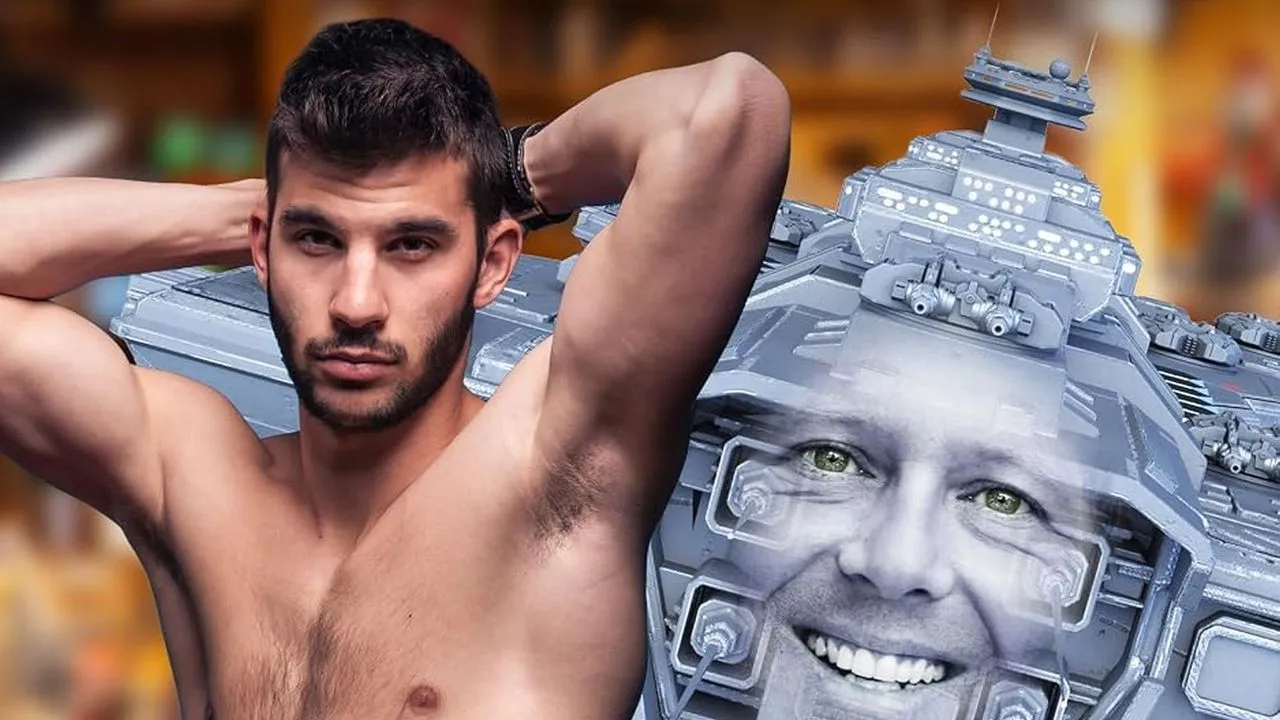
Chuck Tingle writes a Warhammer 40K Tingler about Warpounder miniatures and spending $
His latest short erotic fiction leans hard into the Warhammer obsession loop: the hobby purchase, the unfinished paint job, and the payoff.
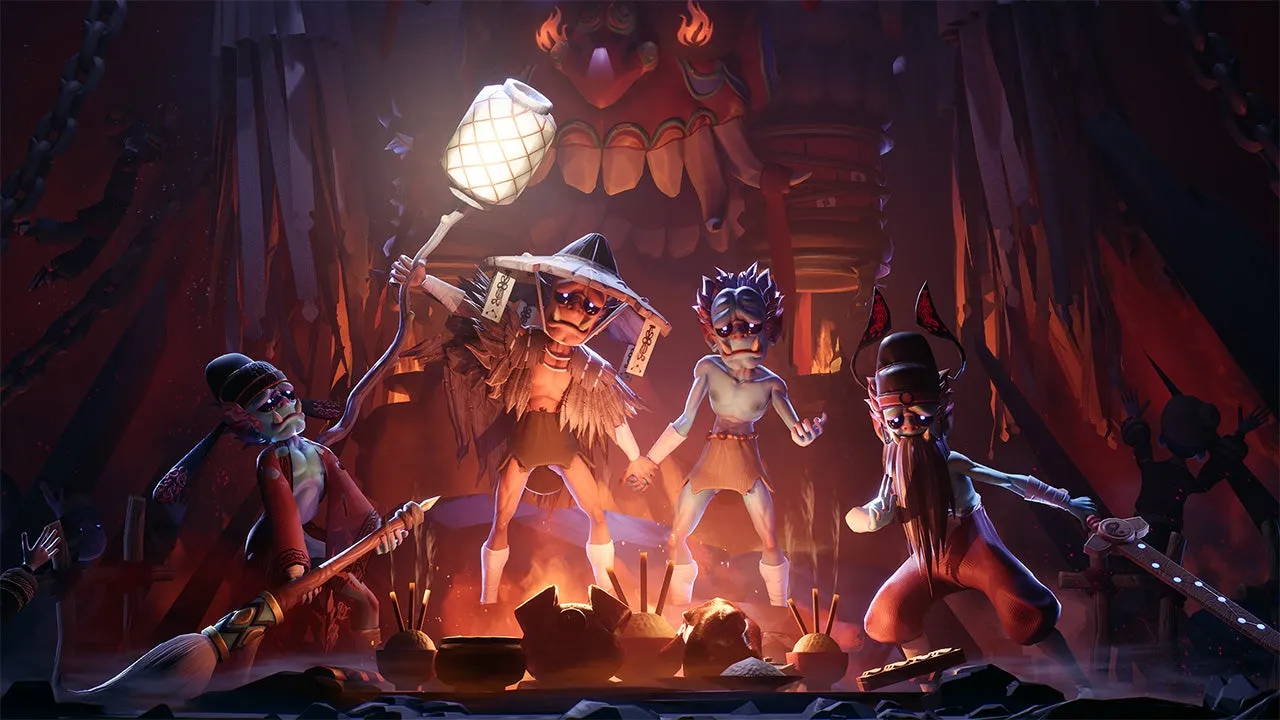
Hundred Nights: DIFU turns purgatory into an underworld ops simulator with D-Cash losses
A Two Point-style management loop, built on Chinese mythology, where staffing, decor, and punishment all affect your balance sheet.