

Dexter: Resurrection Season 2 brings back Mia, but Deadline says nobody knows how yet
Krysten Ritter returns in Season 2, yet her role is still a mystery, leaving Dexter's revenge chessboard unsettled.
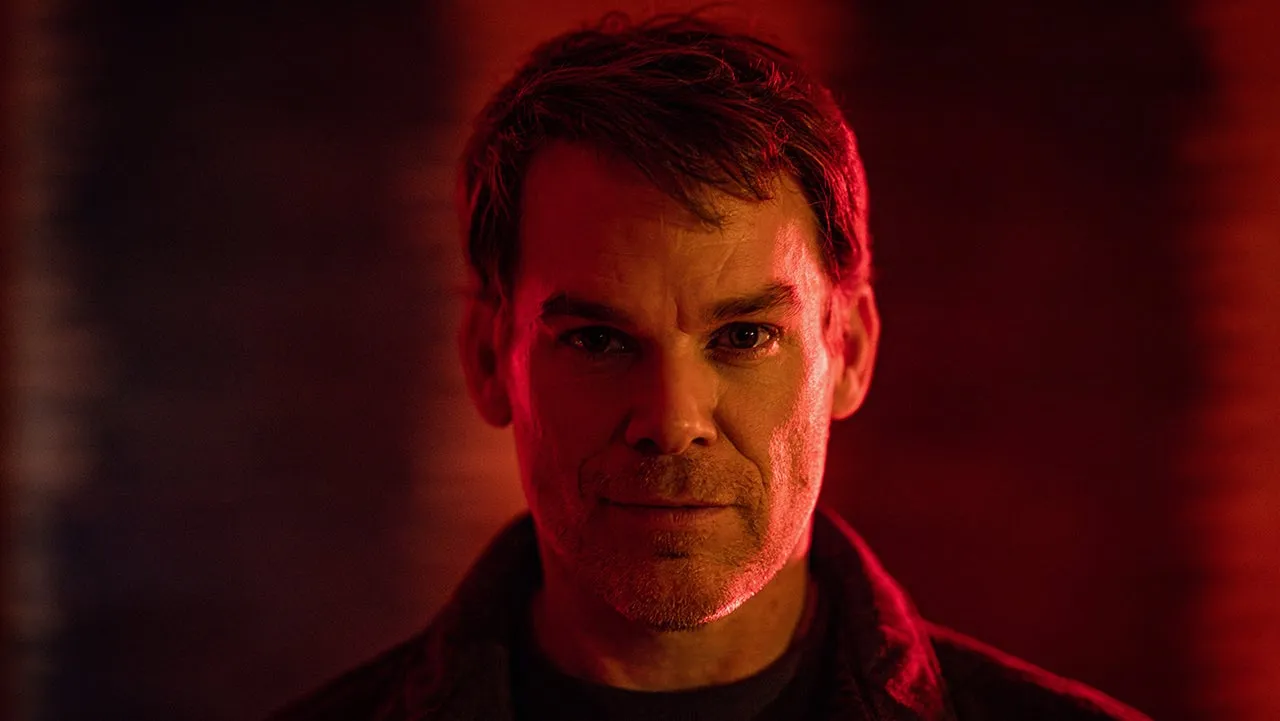
IGN reports that Dexter: Resurrection Season 2 will bring back Mia, played by Krysten Ritter, as Deadline reports her return. The unclear casting details could reshape how the show resolves Mia's fate, especially with Charley and Dexter's ghostly interactions in play.
Spoilers ahead for Dexter: Resurrection Season 1. Dexter: Resurrection Season 2 is bringing back Krysten Ritter as Mia, and Deadline confirms the return, while also saying it does not know who Ritter will play. That single sentence is the real plot twist here, because Mia was not just a recurring character. She was the hinge of a brutal arc that ended with Dexter framing her, sending her to prison, and then having someone close the loop in a way that looked like the end of her story.
In Season 1, Dexter discovered that Mia did not share his code, and he moved from partnership fantasy to control. He ultimately framed Mia for the murder of a man killed by his son, Harrison, and sent her off to prison. But the final beat was even darker: while Mia was incarcerated, Prater's bodyguard, Charley, paid off a guard to kill Mia and make it look like a suicide. So yes, fans have a very reasonable reaction when they hear that Ritter is back for Season 2. The question is not whether Mia returns. The question is how the show will justify it after establishing a staged death.
Deadline's report adds another layer of uncertainty by stating it is not aware of who Ritter will play in Season 2. That means there are multiple plausible roads writers could take, and none are fully confirmed by the reporting itself. It could be a straight return as Mia, it could be a flashback recontextualizing what “suicide” actually meant, or it could tie into Dexter's signature psychological mechanism: the show often depicts Dexter communicating with deceased friends and foes as an extension of his conscious.
That “ghosts and conversations” angle matters because Dexter: Resurrection has already shown it enjoys flips. The source points out that last season included a twist of a killer with a secret twin, so it would not be unprecedented for the show to pull another identity or reality-bending move. Still, even if the writers can justify it, they have to do it in a way that lands emotionally. Mia was not just “a villain” in the usual sense. She was a person Dexter believed he could recruit into a Bonnie and Clyde-style partnership, only to learn she would not play by his rules. Bringing her back has to answer whether Dexter is revisiting a lesson, seeking control again, or confronting the cost of his framing scheme.
Fans previously theorized that Charley did not actually orchestrate Mia's death as the final outcome, and instead used the staged suicide as a ruse to break her out of prison. The source notes this theory, and importantly, it also says it is unclear if the show is going that direction. That uncertainty is not filler. It is the difference between a resurrection that feels earned and one that feels like a reset button. If Mia is alive, the story has to explain how she survives after Charley's paid guard scenario. If Mia is not alive, the show has to explain why her presence still matters, whether through flashbacks, ghostly communication, or another narrative device already established by Dexter.
The Season 2 ecosystem also gives the writers opportunities to connect threads. Uma Thurman is expected to return as Charley this season, and the source suggests Mia's reappearance could be connected to her. Charley was the player who made the prison outcome happen, so any return involving Mia has a built-in bridge to Charley's motives, methods, and whether she was acting alone or as part of Leon Prater's world. That matters because in Season 1, Prater was not just background. He was the wealthy true crime obsessive hosting the secret society, and Dexter's whole Season 1 setup involved picking off members of that murderous circle, with Mia positioned as one of the “not killed by Dexter” outcomes.
Then there is the new villain lineup, which is where second-order stakes show up even if you are not thinking like a studio exec. Dexter: Resurrection Season 2 is expected to be massive, with Brian Cox playing the New York Ripper, an elderly serial killer who torments the families of his victims. He will be joined by Dan Stevens as the Five Borough Killer, plus Kane Hodder and Chris Jericho, who are both expected to play victims of Dexter. If you are tracking entertainment strategy, you can see the balancing act. The show is adding heavyweight recognizable talent and expanding the victim scale, but it still needs character continuity to keep the audience emotionally invested. Mia returning, even in a constrained format like flashbacks or conscious-ghost scenes, can function as a continuity anchor while new serial killer storylines ramp up.
For decision-makers watching how long-running franchises handle “revivals” and identity twists, the Mia return is a case study in risk management. You have the upside of instantly reactivating fan attention because the character was central to a shocking, supposedly final arc. But you also have the risk of confusing causality if the audience remembers that Charley paid off a guard to kill Mia and stage suicide. The show can mitigate that risk by grounding Mia's return in established storytelling patterns that the source highlights, like Dexter communicating with deceased people, or by clarifying through flashbacks what actually happened in prison. Until Deadline’s casting clarification lands, Season 2’s biggest uncertainty is also its most valuable narrative asset: how the show turns Mia from a “dead” endpoint into a living plot lever again.
This story's Key Insights and Take-aways are locked.
Create a free account to unlock Executive Actions for one credit.
Register to UnlockAlways free for Executives Club members. Join the Club
More in Entertainment
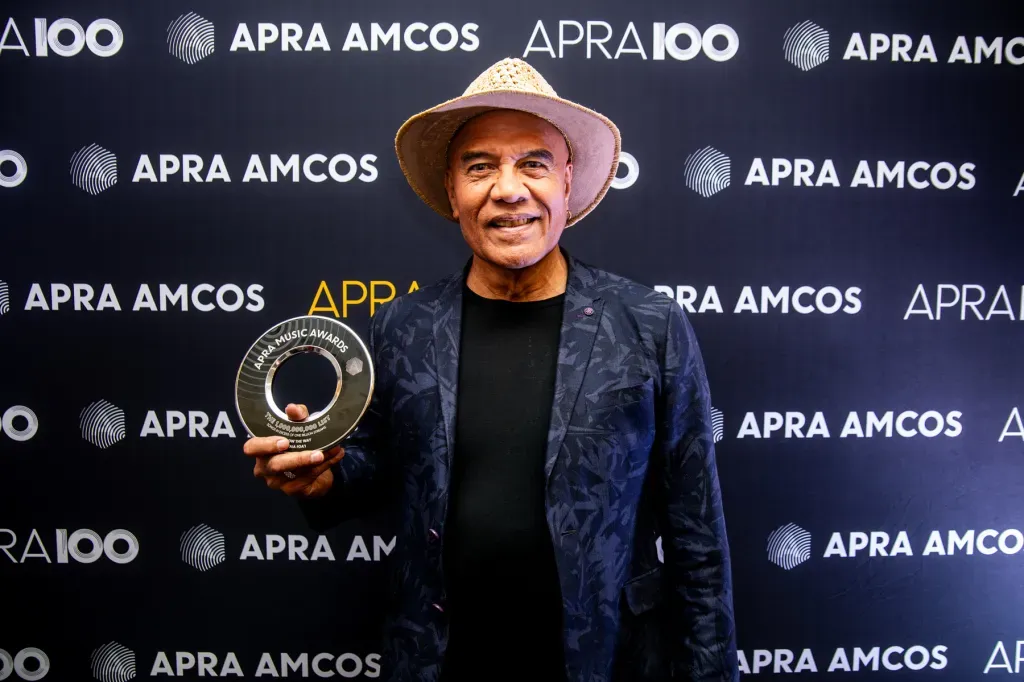
Opetaia Foa’i wins APRA AMCOS Billions Award for Moana’s “We Know The Way” streams
A billion-stream recognition for a Pacific-language ballad signals how PRO incentives and global platforms shape credit.
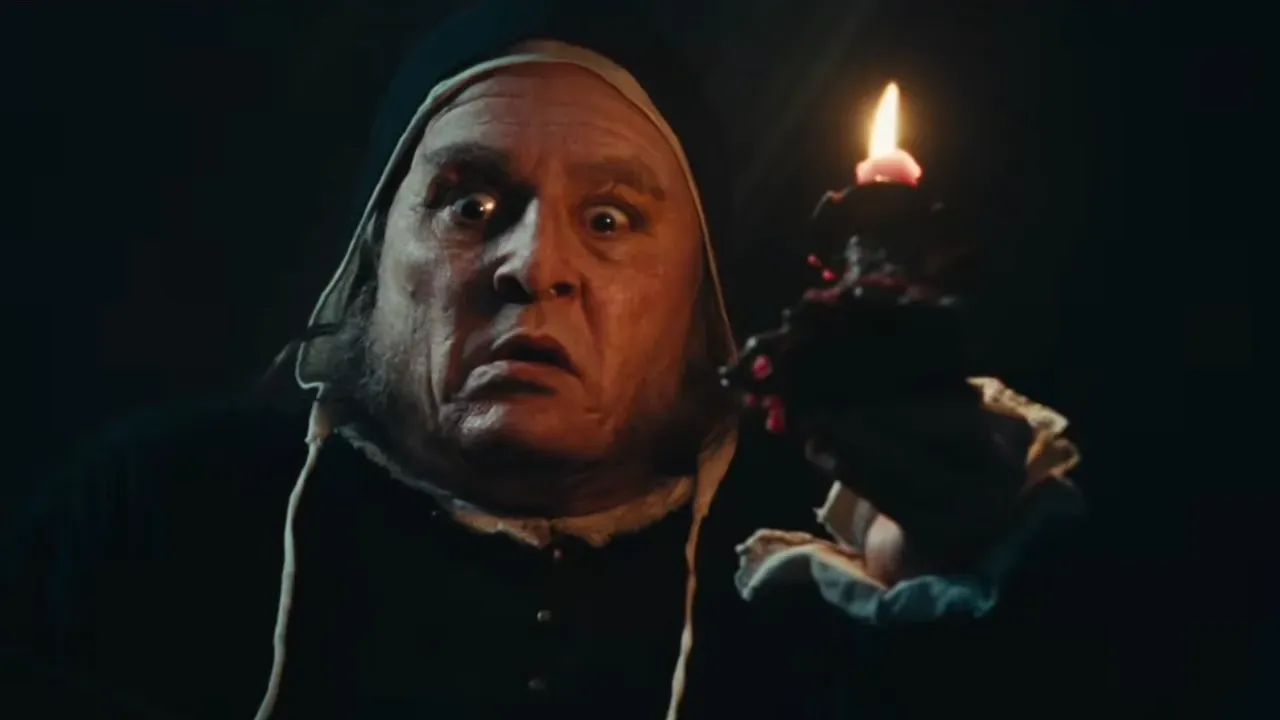
Johnny Depp returns as Scrooge with “Ebenezer,” his first major studio film since Amber Heard trial
A new Ti West take on A Christmas Carol reunites Depp with big-studio scale, reigniting questions about brand, risk, and momentum.

Sung Kang admits Fast and Furious “lost our way,” wants Drifter lessons for final movie
The star behind the camera says the franchise risks drifting from its street-racing roots. Here’s what that means for the endgame.