
Dhivya T calls microdrama Streaming’s new Southeast Asia funnel at APOS Bali
Research presented by Dhivya T argues platforms are not just chasing trends, they are buying faster attention.
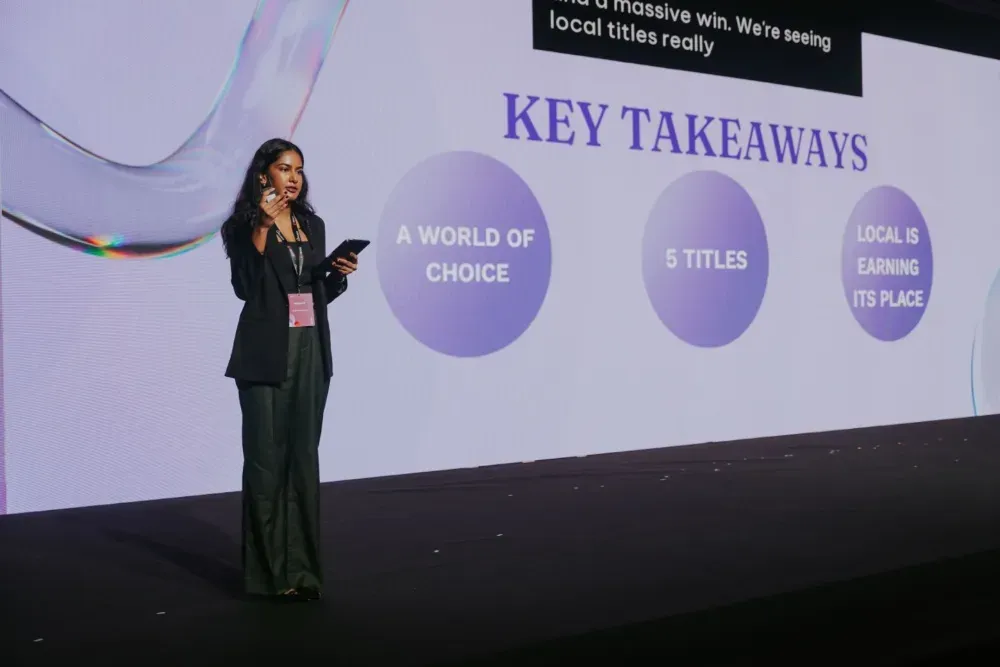
Dhivya T, head of insights, presented research at the APOS conference in Bali showing streaming platforms in Southeast Asia are accelerating acquisition of microdrama content. The consequence for decision-makers: content budgets are shifting from broad entertainment reach to fast-attention reach.
Microdrama has quietly moved from “cute format” to “top-of-funnel strategy” in Southeast Asia, and Dhivya T is framing it that way at APOS in Bali. Speaking as head of insights, Dhivya T presented research that positions microdrama as something more specific than a passing trend: a direct pipeline into the fast-attention layer where Southeast Asian audiences spend the overwhelming majority of their digital leisure time.
In plain terms, Dhivya T’s takeaway is that streaming platforms racing to acquire microdrama are trying to secure attention before competition does. The research presented at APOS links microdrama acquisition to where time actually goes. Instead of treating microdrama as an end in itself, the study describes it as a tool for capturing “fast attention,” meaning the moment viewers are most receptive to what comes next.
That matters because streaming is an attention business wearing a content budget. Platforms do not only compete on what is available; they compete on what gets noticed, clicked, and watched long enough to convert into recurring habits. In Southeast Asia, where digital leisure time is heavily concentrated, formats that match viewing behavior become leverage. Microdrama, as the format in question, is being treated as the entry point. It is the show you start with, not just the show you stream.
There is also a second layer executives tend to underestimate: microdrama is not merely “short.” It is a product shape that can compress uncertainty. A shorter, tightly packaged series format typically asks less of a viewer upfront than a longer narrative, which can reduce friction in the user journey. When Dhivya T’s research points to microdrama’s role as a top-of-funnel, it is implicitly about funnel mechanics, not artistic merit. The winning move is less about impressing the most engaged viewers and more about capturing the largest pool of people at the earliest stage.
And because platforms are racing to acquire microdrama, this is not an academic argument. Acquisition is money, and money creates internal urgency: teams have to justify spend in board conversations, negotiate rights, and build programming lineups that make sense commercially. When the research presented by Dhivya T is used as a strategic signal, it pushes content and product leaders toward a common question: are we buying content that helps us get discovered, or only content that helps us keep people who are already inside?
Regulatory and policy context is also part of the background executives should keep in view, even when the presentation is about attention. Southeast Asia media markets have historically balanced platform growth with local content rules, licensing requirements, and shifting oversight. While the source here focuses on audience time and fast-attention dynamics, the broader operational reality is that content strategy often has to fit within licensing structures and platform compliance. That means “top-of-funnel” is not just a creative decision. It can affect negotiation timelines, rights complexity, and the feasibility of scaling certain formats.
Now zoom out to the competitive implications for other decision-makers. If microdrama is described as the new top-of-funnel and platforms are acting accordingly, then peers in similar roles should assume the content calendar arms race will intensify. The outcome is not guaranteed to be a winner-takes-all scenario, but the incentives tilt toward whoever most effectively controls the entry experience. That can reshape everything downstream: recommendation strategies, user onboarding, and how studios pitch new slates.
The key strategic stake is timing. The first two elements of the research storyline from Dhivya T are (1) platforms are acquiring microdrama content aggressively and (2) the reason is not merely a trending format. It is the purchase of a direct line into where Southeast Asian audiences spend their digital leisure time. If you are a streaming executive, investor, or board member, the question becomes harder and more urgent: are your investments aligned with the attention layer that viewers actually live in, or are you still optimizing for formats that assume the audience will show up on schedule?
This story's Key Insights and Take-aways are locked.
Create a free account to unlock Executive Actions for one credit.
Register to UnlockAlways free for Executives Club members. Join the Club
More in Entertainment

Starfleet Academy names newcomer Ruaridh Aldington a Season 2 series regular
At San Diego Comic-Con's Star Trek 60th anniversary panel, Aldington joins as Keats, a high-stakes mystery for the cadets.
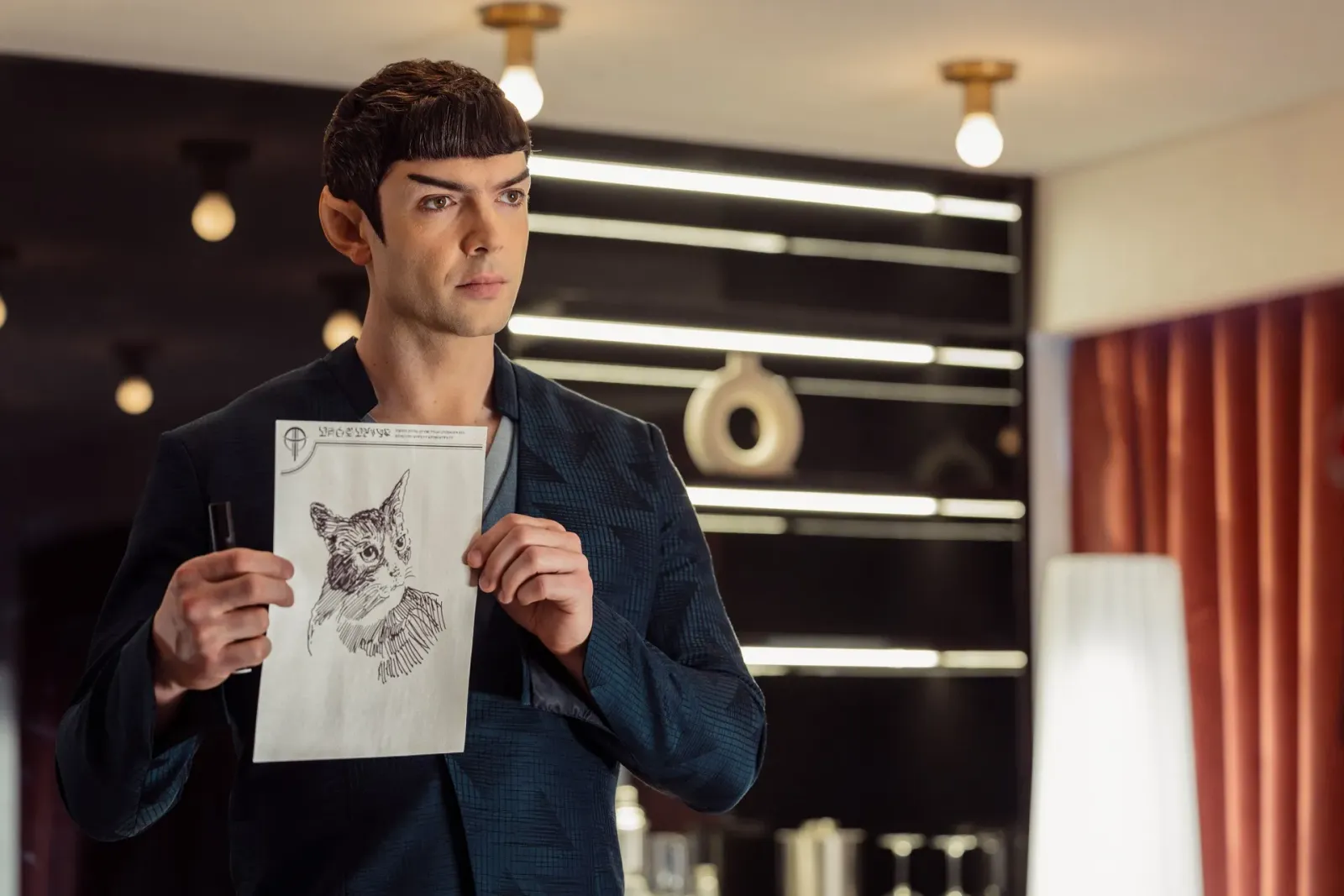
Akiva Goldsman drops Strange New Worlds Season 4 timing: weekly until Sept. 24
Star Trek’s co-showrunner uses Comic-Con to lock in the release calendar for Paramount+ Season 4.

Marvel’s Avengers: Doomsday Doom armor stays faithful to comics, but adds samurai-style upgrades
A fresh look at Robert Downey Jr. as Victor von Doom at Comic-Con shows what Marvel kept, changed, and why it matters.