
Disclosure Day lifts Steven Spielberg sci-fi interest, with an 84% Rotten Tomatoes approval
What a streaming charts spike means for studios, platforms, and boards watching awards momentum collide with subscriber retention.
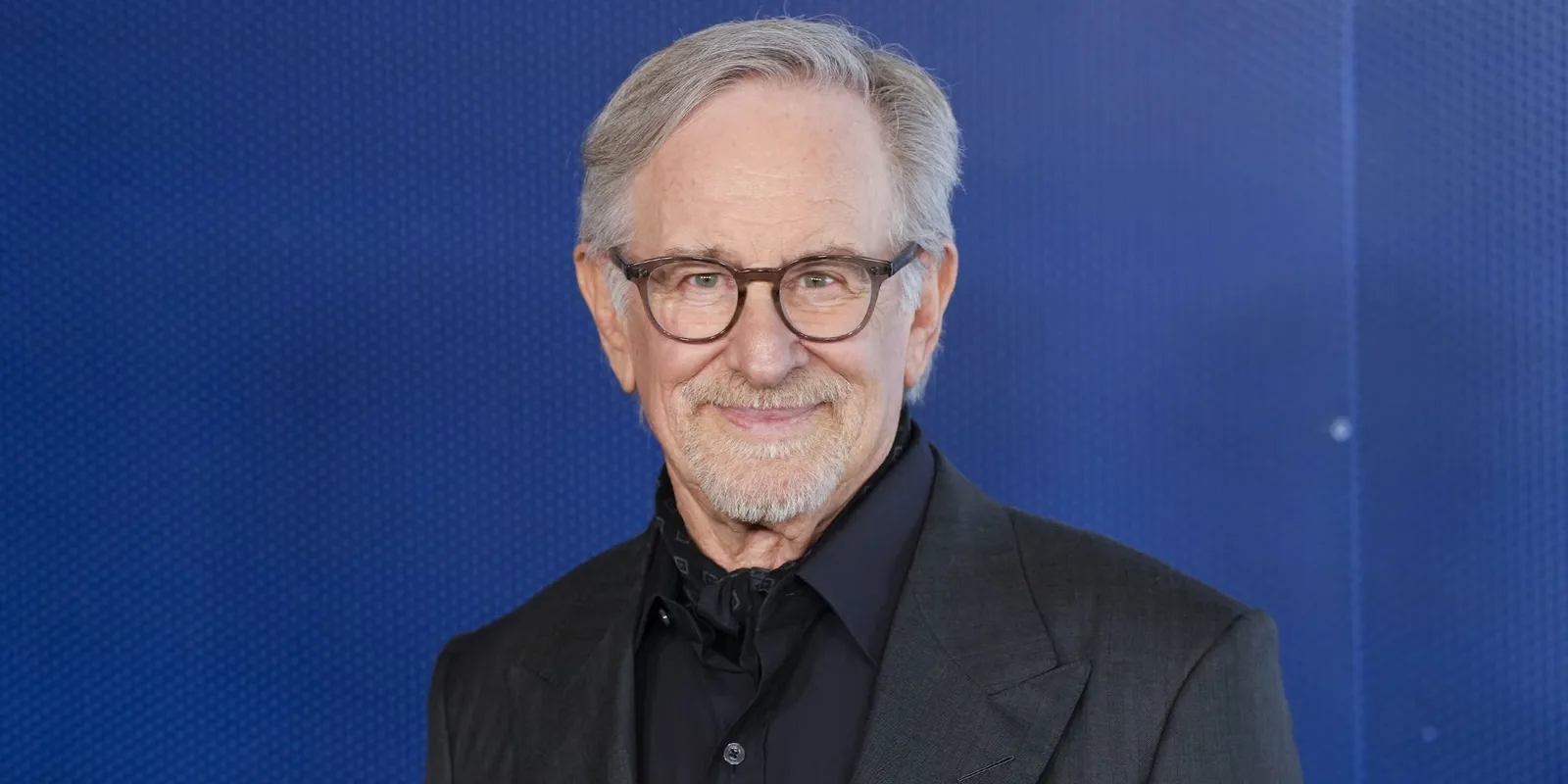
Steven Spielberg's last sci-fi effort, Disclosure Day, is seeing a major streaming lift as Disclosure Day's success drives attention to the film on HBO Max. For decision-makers, the immediate implication is that critical and awards buzz is directly feeding what audiences pick next.
It's officially Disclosure Day, and the internet is behaving like it just discovered Spielberg again. Collider reports that the film's streaming momentum is taking over HBO Max, with the success of Disclosure Day boosting interest in Steven Spielberg's last sci-fi effort on streaming charts. In other words: the “event movie” is not just landing in theaters or critics' inboxes anymore. It is pulling demand into the streaming layer where subscriptions, viewing hours, and engagement loops get decided.
The headline stake is not vague hype. Collider points to an 84% approval rating on Rotten Tomatoes, and most of the praise is tied to an Oscar-nomination-worthy performance from Emily Blunt (The Devil Wears Prada). That matters because streaming platforms and studios do not really trade in “quality” as a standalone asset. They trade in what quality causes next: clicks, time spent, shares, and the all-important follow-on viewings that keep a title visible in recommendation surfaces.
From a business perspective, the interesting part is the sequencing. The source describes Disclosure Day's success as a catalyst for interest in Spielberg's last sci-fi effort. That suggests a feedback loop, where one breakout moment (the movie capturing attention in its release window) upgrades the discoverability of adjacent catalog or related titles. For HBO Max specifically, the story reads like a playbook: when a culturally resonant release hits, the platform benefits twice. First, it gains the initial audience pull. Second, it attracts the “wait, what else has Spielberg done lately?” crowd that increases catalog consumption.
This is also where boards and executives should pay attention to incentives. Critical approval, awards narratives, and star power can sound like soft variables. But here they show up as hard distribution outcomes: visibility on streaming charts. Rotten Tomatoes approval at 84% is the kind of metric that influences marketing copy, editorial placement, and internal product decisions like what to promote on the homepage and in email pushes. Emily Blunt's Oscar-nomination-worthy performance is not just a prestige marker; it becomes a practical lever for retention. Viewers often want to feel like they are choosing a “safe bet,” especially when a platform has a deep library and infinite scrolling friction.
There is a regulatory and policy angle worth understanding too, even if the source does not name a regulator outright. Streaming sits in a world where content rights, reporting obligations, and platform advertising rules can vary by region. The reason this matters for the executive takeaway is that streaming success is not only about demand. It is also about how effectively platforms can monetize and measure that demand across territories and seasons. When a film creates a surge in viewing behavior on a platform like HBO Max, executives typically have clearer data signals to justify marketing spend and promotional placement, because the measurable engagement is already happening.
Look at the names and the genre signals in the source: Steven Spielberg returning to sci-fi, a film positioned as an alien movie, and a performance described as likely Oscar-level. Spielberg is not a niche filmmaker in either mainstream or critical circles. That amplifies the commercial consequence of the streaming charts shift. If a major director with broad recognition can pull audiences into sci-fi on a mainstream platform, then the category becomes easier to sell internally: programming teams can argue for budget prioritization, while finance teams can model stronger short-term performance based on proven audience reach.
Then there are the second-order implications for peers. When Collider's review notes that Disclosure Day gave “exactly what I wanted” from Spielberg's return to the alien movie, it signals that the film is satisfying a specific expectation set. That kind of audience alignment tends to travel across platforms. Viewers who enjoy it often hunt for more Spielberg, more sci-fi, and more “quality” prestige content, which can pressure competitors' libraries and recommendation strategies. If HBO Max sees that effect now, the competitive move is not necessarily “buy more content.” It is “surface the right content at the right time,” using critical and awards indicators as triggers.
For executives, the strategic stakes are straightforward. If streaming charts can be moved by a mix of Spielberg gravity, Emily Blunt performance buzz, and an 84% Rotten Tomatoes approval rating, then the content cycle becomes more time-sensitive. Promotions, programming decisions, and marketing calendars need to respond quickly when critical consensus and awards season energy spike. The winning formula is not just having a big name. It is converting that cultural heat into measurable streaming behavior, fast enough for it to compound rather than fade.
This story's Key Insights and Take-aways are locked.
Create a free account to unlock Executive Actions for one credit.
Register to UnlockAlways free for Executives Club members. Join the Club
More in Entertainment

West Ham co-chairs back BBC women, then hand Czech billionaire the biggest stake
Daniel Kretinsky and Vanessa Gold back the women speaking in the BBC investigation and approve an ownership deal with Daniel Kretinsky’s co-chairs' preferred outcome.

Death Stranding director Michael Sarnoski won’t retell the game, sets a film “corner of the world”
The A24 adaptation will use some game characters at most, but centers Sarnoski’s own story and worldbuilding.

Beeban Kidron: big tech needs its “tobacco moment” or risks children getting harmed
Director-turned-online safety campaigner argues platforms must act like tobacco regulators did, before tragedies force action.