

Disney and Kraft Heinz link brands across movies, streaming, theme parks, and cruises
A wide-ranging “strategic alliance” stitches a food-and-beverage powerhouse into Disney’s entertainment and experiences pipeline.
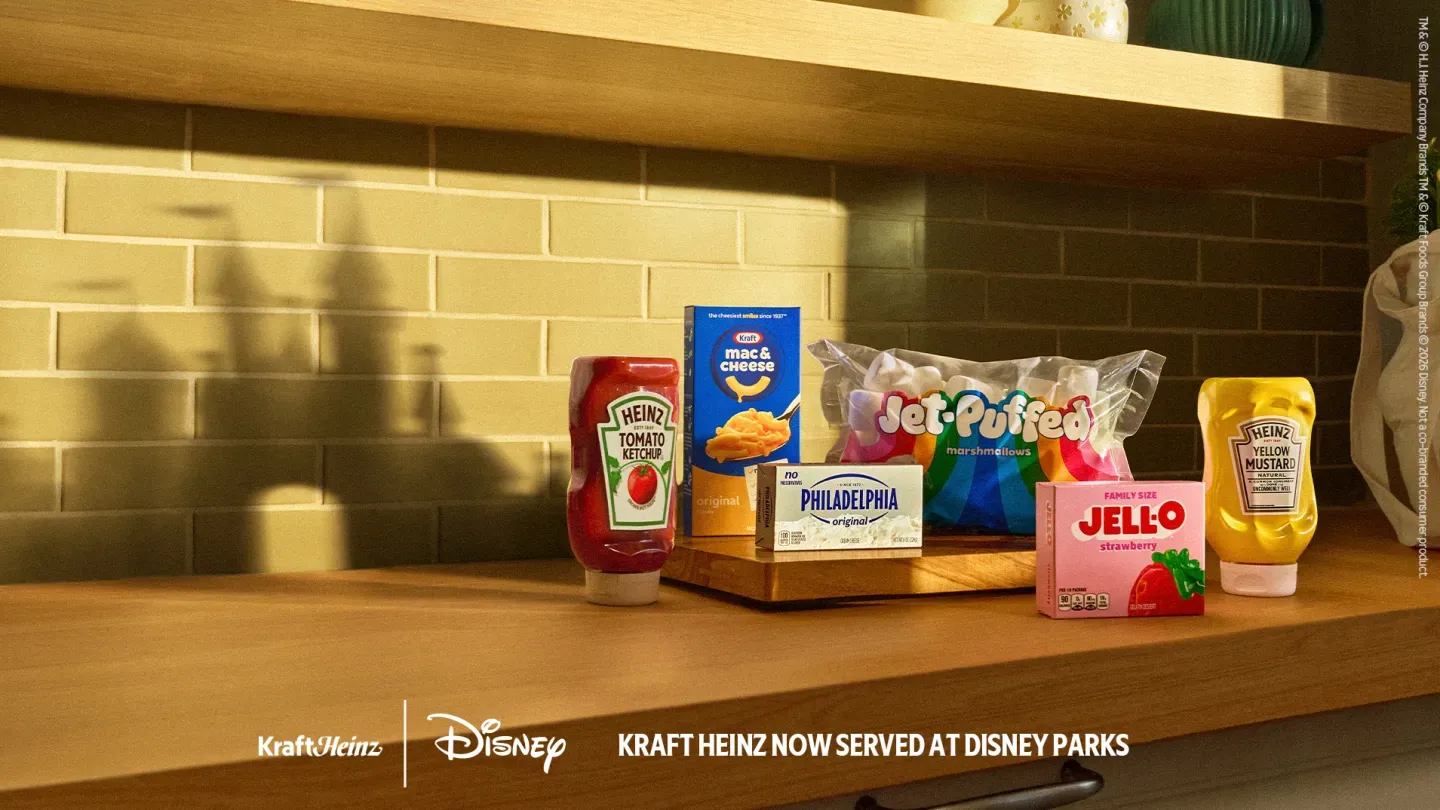
Disney and Kraft Heinz have inked a “strategic alliance” that spans movies, TV, streaming, theme parks, and cruises. The deal matters because it turns brand placement into an end-to-end distribution channel, not a one-off marketing campaign.
Disney and Kraft Heinz are building a brand partnership that runs from the screen to the doorstep. The Hollywood Reporter describes their “strategic alliance” as wide-ranging, linking the brands of the food and beverage giant and the entertainment company across movies, TV, streaming, theme parks, and cruises.
In other words, this is not just a content deal where a product shows up for a scene or a campaign runs alongside a release. The alliance is designed to connect Kraft Heinz’s brand identity to Disney’s full media and experiences ecosystem, from film and series to on-platform streaming and then into physical worlds like theme parks and cruise ships.
To understand why executives should care, it helps to zoom out on how brand monetization typically works in entertainment. For years, entertainment companies have treated brands as demand multipliers: advertisers and licensing partners buy attention, and studios buy cash flow. But the more Disney can tie a partner’s brand into multiple consumer touchpoints, the more it shifts from “marketing spend” to “distribution logic.” That is a meaningful change in mindset for decision-makers, because the value is less dependent on a single release cycle and more dependent on repeat exposure across years.
This is also the kind of alliance that can complicate internal planning, even if the execution is straightforward. Large entertainment companies run on tight production schedules and separate business units, like studio operations, streaming strategy, and experiences. A wide-ranging brand deal forces coordination across those lanes: which titles and series get the alignment, how the streaming catalog is used, what experiences get branded, and how cruises incorporate the partner. When the partnership spans “movies, TV, streaming, theme parks and cruises,” you are dealing with many product lifecycles at once, not just one.
There is a second-order implication here for boards and CFOs: risk and reward distribution. A conventional marketing sponsorship can be evaluated quickly, then ended. But an alliance that keeps showing up across multiple channels can create sticky branding, which is good when performance is strong and harder to unwind if consumer sentiment shifts. Even when terms are not public in the source, the structure itself tells you what stakeholders will be watching: whether the alliance creates incremental brand lift for Kraft Heinz, whether Disney’s experiences capture incremental guest intent, and whether streaming and content alignments help retention rather than just views.
From a regulatory and compliance lens, brand partnerships usually bring a “show me the rules” moment. The source does not mention regulators, but the categories involved, like food and beverage branding across multiple consumer-facing platforms and experiences, typically intersect with advertising standards, labeling requirements, and promotion rules that vary by jurisdiction. When deals touch theme parks and cruises, consumer protection and advertising compliance become even more operational, because the partnership can show up in signage, menus, merchandising, and guest-facing programming. The practical takeaway for executives is not that regulators are blocking anything, but that multi-channel brand integration generally increases the compliance workload, and compliance workload is a real cost.
For peers, the strategic signal is clear. Disney is using its scale as an integrated platform, while Kraft Heinz is treating the entertainment flywheel as a long-term way to keep its brand visible. When a deal connects media and experiences, it can reinforce consumer familiarity at multiple moments of the day: at home with TV and streaming, during leisure with theme parks, and during vacation travel on cruises. That kind of repetition can turn a brand from a product choice into a default association.
This alliance is therefore best understood as an attempt to stitch together the consumer journey. For decision-makers across media, consumer packaged goods, and hospitality-like entertainment, the question becomes: can you build brand partnerships that behave like ecosystems rather than like campaigns? Disney and Kraft Heinz appear to be answering that with a partnership explicitly spanning “movies, TV, streaming, theme parks and cruises,” and the strategic stakes are that future partnerships will be judged less on one-time placements and more on whether they deliver durable, multi-format brand momentum.
This story's Key Insights and Take-aways are locked.
Create a free account to unlock Executive Actions for one credit.
Register to UnlockAlways free for Executives Club members. Join the Club
More in Business

Uber buys Delivery Hero for nearly $15B, vaulting to top food delivery outside China
The deal doubles Uber's dual-services footprint and pushes a ride-and-eats bundling play into 50 more markets.

Epic and Google drop settlement bid, forcing rival Android app stores by July 22
Google told the court it is ready to carry third-party app stores starting Wednesday, July 22.
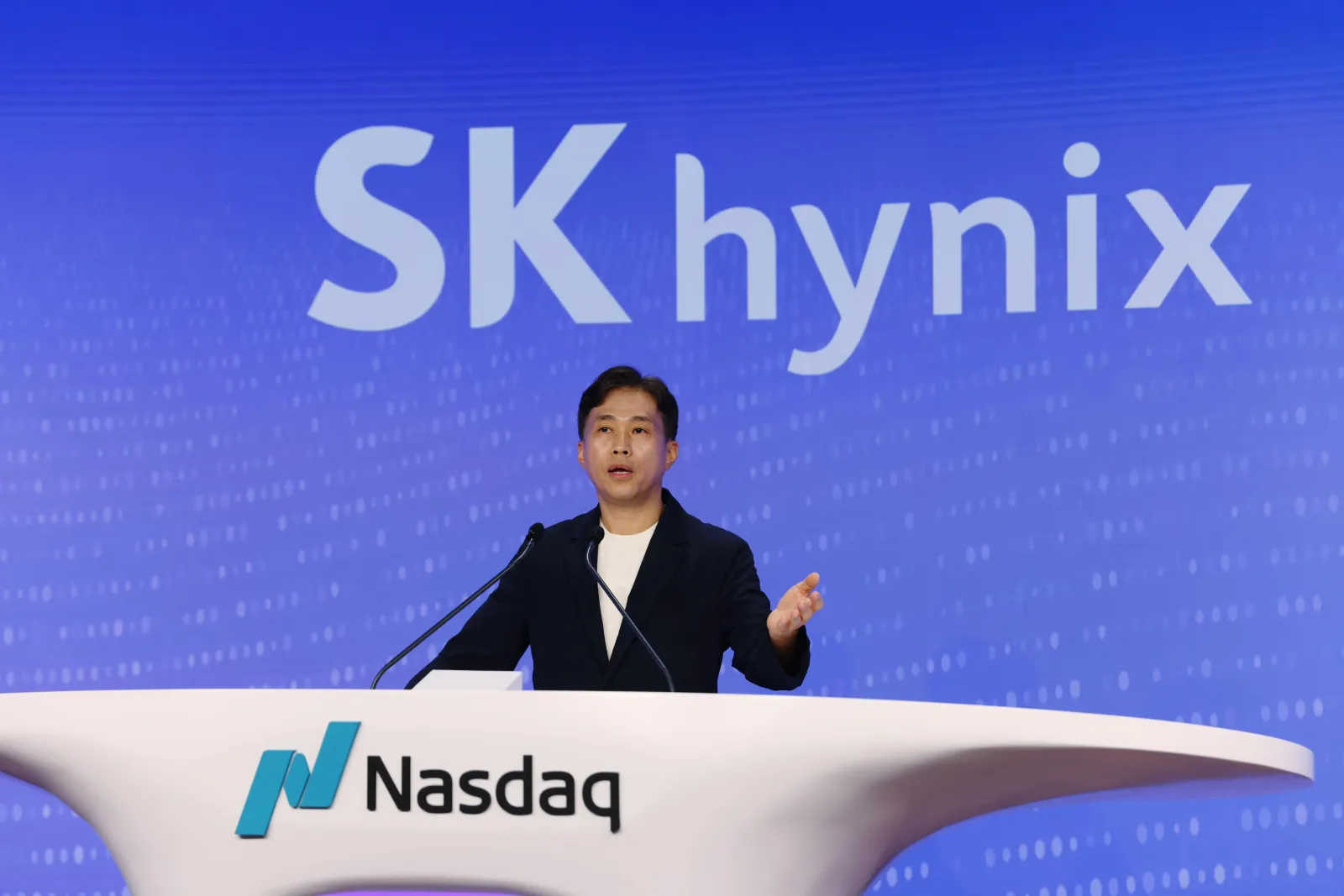
SK Hynix opens at $170, raises $26.5B, and tops foreign IPO records
In Friday's Wall Street debut, SK Hynix turns AI RAM demand into a $26.5B fundraising moment that rewrites comps.