

DLSS 5 leaks: Nvidia's AI upscaling is turning game heroes into middle-aged divorce attorneys
The leaked early build of Nvidia's generative AI upscaler is producing uncanny results, raising questions about the tech's readiness and its reception among gamers.
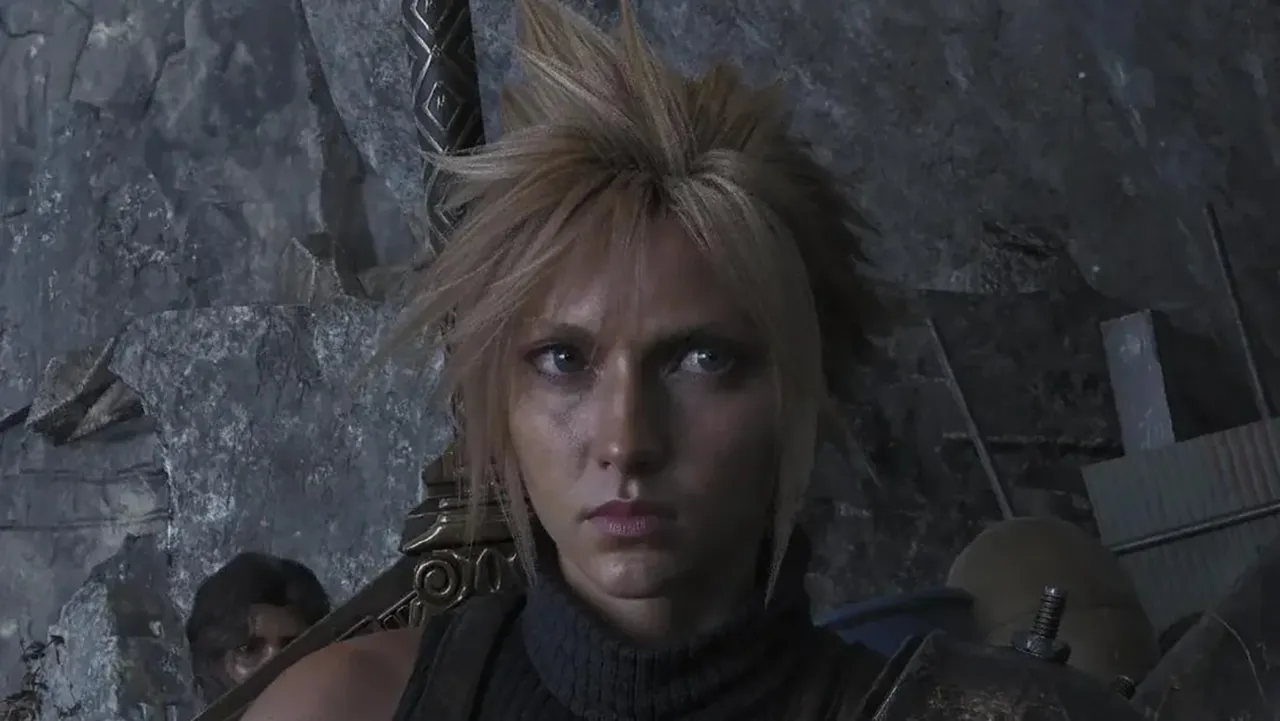
Nvidia's DLSS 5, a generative AI upscaling technology, has leaked before its official release, and early users are reporting bizarre visual artifacts, including aging characters and an unmistakable 'AI look.' For gaming executives and investors, the backlash signals potential reputational risk for AI-driven upscaling and highlights the challenge of deploying generative AI in consumer products.
The internet is having a field day with Nvidia's DLSS 5, and not in the way the company likely hoped. A leaked build of the generative AI upscaler has escaped into the wild, and gamers are jamming it into titles it was never optimized for. The result? A Hogwarts Legacy student transformed into a "35 yr old divorce attorney," as one user, gc734, put it in the RenoDX Discord server. Another screenshot, dubbed "Claude Strife" for its uncanny resemblance to Final Fantasy's Cloud Strife, shows the tech at extreme settings, and it's not flattering. The leak has turned into a live experiment in what happens when generative AI meets stylized game art, and the early verdict is mixed at best.
For the uninitiated, DLSS 5 is Nvidia's next-generation upscaling technology, but it's a departure from the DLSS we know. Traditional DLSS uses machine learning to upscale low-resolution graphics while staying faithful to the source material. DLSS 5, however, attempts to improve on the artwork itself using AI image generation, essentially applying a "photorealism" prompt to every frame. That's a bold ambition, but when applied to stylized characters, it produces a jarring effect: skin textures intensify, jawlines sharpen, and neutral expressions turn dour. The tech is clearly not designed for anime-style or heavily stylized art, but that hasn't stopped curious users from forcing it into everything from Starfield to Hogwarts Legacy.
The leak itself is notable for Nvidia, which has built its gaming dominance partly on DLSS as a flagship feature. The company has positioned itself as the leader in AI hardware and software, and DLSS 5 is supposed to be the next leap forward. But this early, unoptimized build is generating exactly the kind of backlash that could give executives pause. The "AI look" - that glossy, studio-lit, slightly off appearance - is inescapable, even when the tech works as intended. As the PC Gamer piece notes, even when DLSS 5 turns a flat, untextured face into something with volume, it still carries a distinct AI-generated sheen, reminiscent of the Grok images that populate X or other examples of AI slop.
Reactions are predictably split. The RenoDX Discord channel is full of users delighted by their results, sharing before-and-after shots that show dramatic improvements in realism. But a ResetEra thread is aghast, and the author of the piece lands firmly in the "not in my house" camp. This division is a preview of the broader cultural reckoning around generative AI in entertainment. For every gamer who wants photorealistic characters, there's another who finds the uncanny valley deeply off-putting. The fact that DLSS 5 is being tested in games it wasn't designed for only amplifies the weirdness, but even in ideal conditions, the tech's aesthetic choices are controversial.
For executives in gaming and adjacent industries, this leak is a case study in the risks of deploying generative AI in consumer products. The technology is powerful, but it's also unpredictable, and the public's tolerance for AI artifacts is low. Nvidia will likely refine DLSS 5 before its official release, but the early backlash could shape how it's marketed and positioned. It also raises questions about the broader trend of AI-driven upscaling and image generation in games. Competitors like AMD and Intel are developing their own upscaling tech, and they'll be watching this reaction closely. If gamers reject the "AI look," it could slow adoption across the industry, or push developers to use AI more conservatively.
The strategic stakes go beyond Nvidia. For any company considering generative AI in a consumer-facing product, the lesson is clear: test extensively, manage expectations, and be prepared for a vocal minority to shape the narrative. The leak also highlights the challenge of controlling proprietary technology in an era of rapid sharing and modding. Nvidia can't put the genie back in the bottle, but it can use this feedback to improve DLSS 5 before launch. Whether that's enough to win over skeptics remains to be seen, but one thing is certain: the "Claude Strife" meme will be hard to shake.
This story's Key Insights and Take-aways are locked.
Create a free account to unlock Executive Actions for one credit.
Register to UnlockAlways free for Executives Club members. Join the Club
More in Technology

Google quietly links your phone number to every Android account on your SIM
Adding a SIM now ties your phone number to all Google accounts - and future accounts inherit it. Here's the security and privacy stakes.

Hijacker AI 'Skynet mode' runs 100,000 attack steps against exposed models
Symantec caught a criminal AI agent that borrows other models, steals data, and mines crypto; the only relief is no confirmed victims yet.

Nvidia's AI-financier shift faces its first big test as neoclouds stumble
A rout in neocloud stocks is forcing investors to weigh Nvidia's hidden exposure as both supplier and lender to the AI buildout.