

Dune Part Three vs Avengers: Doomsday: both still locked for Dec. 18, 2026
Two studios keep their positions for the same release date, betting the biggest weekend will be theirs.

Warner Bros.' Dune: Part Three and Disney's Avengers: Doomsday are both still scheduled for December 18, 2026. For decision-makers, that means a high-stakes, head-to-head theatrical showdown is still on the table, with neither studio willing to budge.
Exactly six months from now, moviegoers will be staring at one of the most consequential theatrical collision courses Hollywood can attempt. As of this writing, Warner Bros.' Dune: Part Three and Disney's Avengers: Doomsday are both still scheduled for December 18, 2026, with neither studio reportedly interested in backing down from that date.
That simultaneity is the story. Big studios typically spend enormous energy avoiding direct confrontations, especially when the money is huge and the films are positioned as year-defining events. Yet here we are, half a year out, with two of the industry's biggest blockbusters still headed straight into the same release window. The subtext for executives is simple: this is not just a marketing calendar decision, it is a bet on control of audience attention during a peak theatrical moment.
To understand why this matters, zoom out to what a release date actually does in theatrical strategy. December 18 is not an arbitrary Tuesday chosen by a committee. It sits in the holiday season, when families, gift-driven attendance, and the end-of-year “must-see” slate all stack pressure onto a single opening weekend. If you are a studio, you are not merely trying to open strong. You are trying to own the conversation, the ticket sales, and the theater screens for weeks, sometimes months, after opening. In most situations, that encourages studios to negotiate away from direct head-to-heads, even if it means accepting less-than-perfect placement.
And that is where the “neither side willing to budge” element becomes so sharp. Studios face a constant incentive to minimize audience dilution. When two massive tentpoles open on the same day, they risk splitting the same core cohort of viewers who were otherwise likely to go to both. There is also an operational dimension. Exhibition partners must program screens, schedule showtimes, and plan promotions based on expected demand. Two simultaneous heavyweights can turn that planning into a high-wire act: if one film underperforms, the other may catch wind and strengthen, but neither studio can count on that outcome as a base case.
The source frames this as the biggest theatrical showdown since 2023's Barbenheimer, which is a useful comparison point because it highlights how rare true blockbuster head-to-heads are. Barbenheimer became culturally notable in part because it collided two very different kinds of blockbuster energy on a single battlefield. The current scenario does not guarantee the same cultural meme effect. But the structural similarity is clear: December 18, 2026 could force a rare market moment where two heavyweight studios compete for the same weekend with no date deconfliction.
There is also a boardroom angle here. If your company is on one side of such a matchup, the question becomes what you can control and what you cannot. You can control your own release plan, marketing spending, and distribution strategy. You cannot fully control the audience mood, the strength of competing releases, or how long a film sustains demand once the opening rush is over. That is why studios often try to manage risk by shifting dates. If they do not, it suggests either that they see a counterbalancing advantage, or that the cost of moving is higher than the risk of meeting the other film head-on.
For decision-makers, the second-order implication is about how this matchup could shape expectations across the rest of the slate. When two major releases share the same date, it compresses the forecasting window for theaters, talent marketing, and downstream partners. That can ripple through advertising commitments and promotional timelines, because brands and platforms want clarity on what is actually “owning” the weekend. If clarity arrives late, it increases friction across the ecosystem. If the date remains fixed this far out, it also creates a kind of inevitability, which can lock in planning sooner for the companies most affected by exhibition schedules.
Strategically, peers in similar roles should take the headline at face value: as of now, both studios are still locked to December 18, 2026. In a market where Hollywood typically works hard to avoid direct confrontations, that stubbornness signals high confidence and high conviction, or at least a strong belief that moving would not improve the risk-reward. Either way, investors, operators, and executives across media and distribution should treat this as a live variable in planning, because a head-to-head at this scale can rewrite the assumptions behind box office allocation and audience attention during the busiest stretch of the year.
This story's Key Insights and Take-aways are locked.
Create a free account to unlock Executive Actions for one credit.
Register to UnlockAlways free for Executives Club members. Join the Club
More in Entertainment

Starfleet Academy names newcomer Ruaridh Aldington a Season 2 series regular
At San Diego Comic-Con's Star Trek 60th anniversary panel, Aldington joins as Keats, a high-stakes mystery for the cadets.
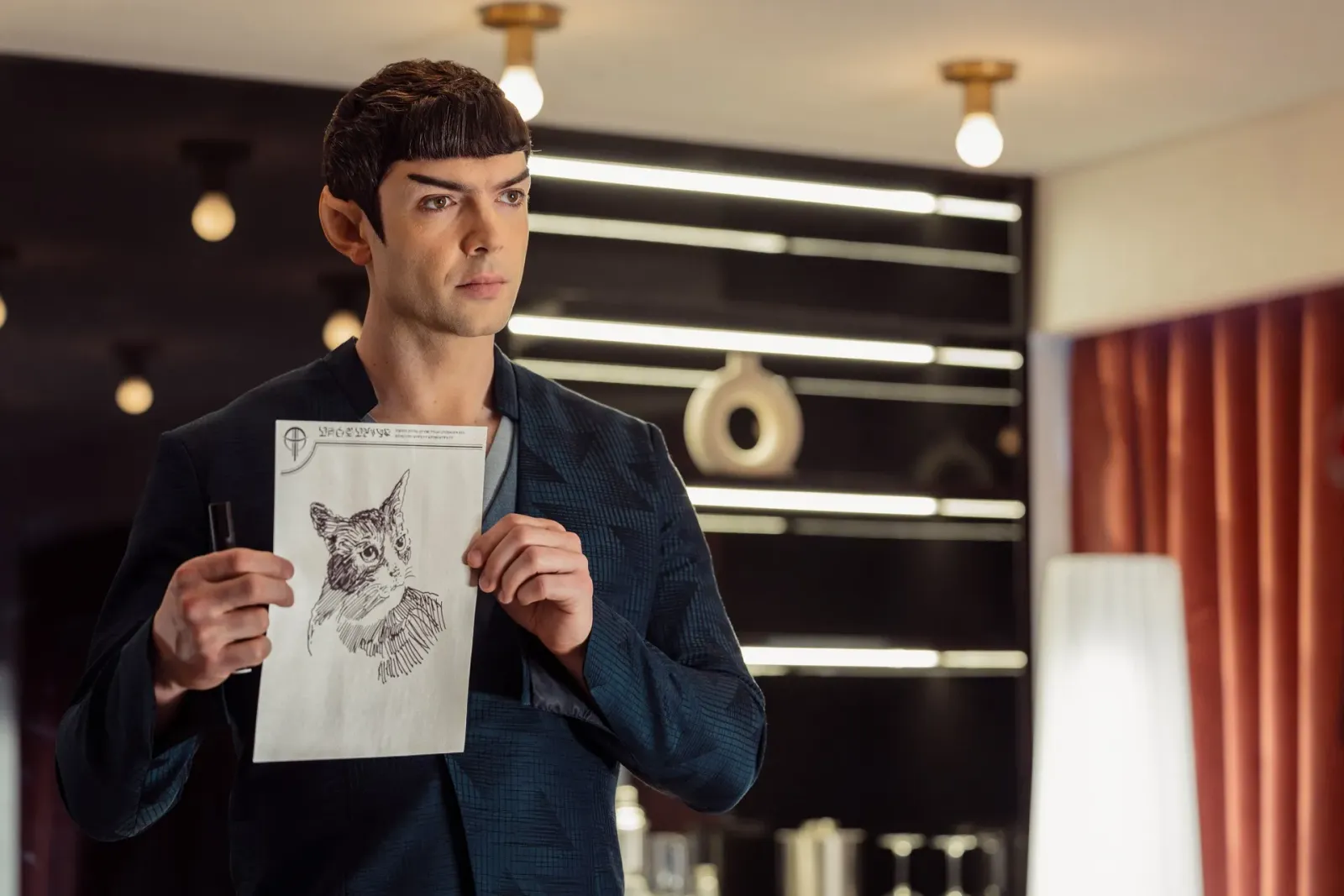
Akiva Goldsman drops Strange New Worlds Season 4 timing: weekly until Sept. 24
Star Trek’s co-showrunner uses Comic-Con to lock in the release calendar for Paramount+ Season 4.
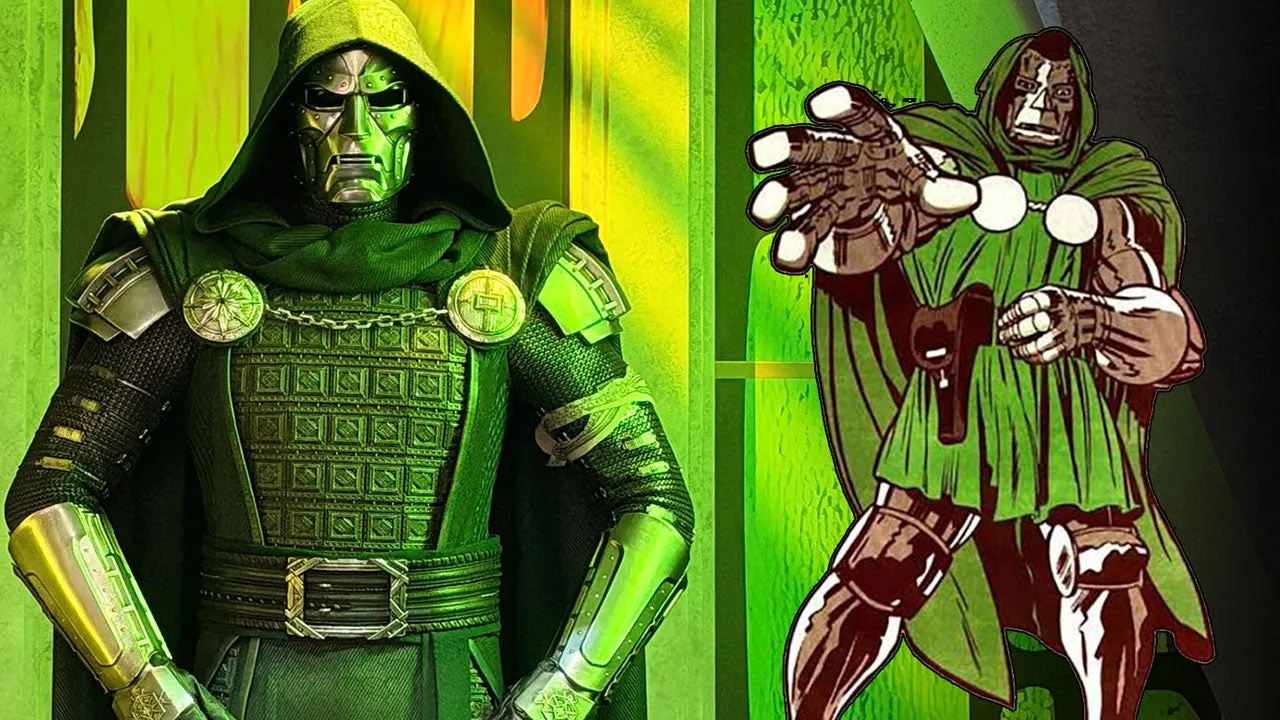
Marvel’s Avengers: Doomsday Doom armor stays faithful to comics, but adds samurai-style upgrades
A fresh look at Robert Downey Jr. as Victor von Doom at Comic-Con shows what Marvel kept, changed, and why it matters.