

EA closed BioWare. 200K fans and both Shepard actors want it back.
The #SaveMassEffect petition crossed 200K signatures in a weekend, with Commander Shepard voice actors and Destiny's community amplifying the fight.
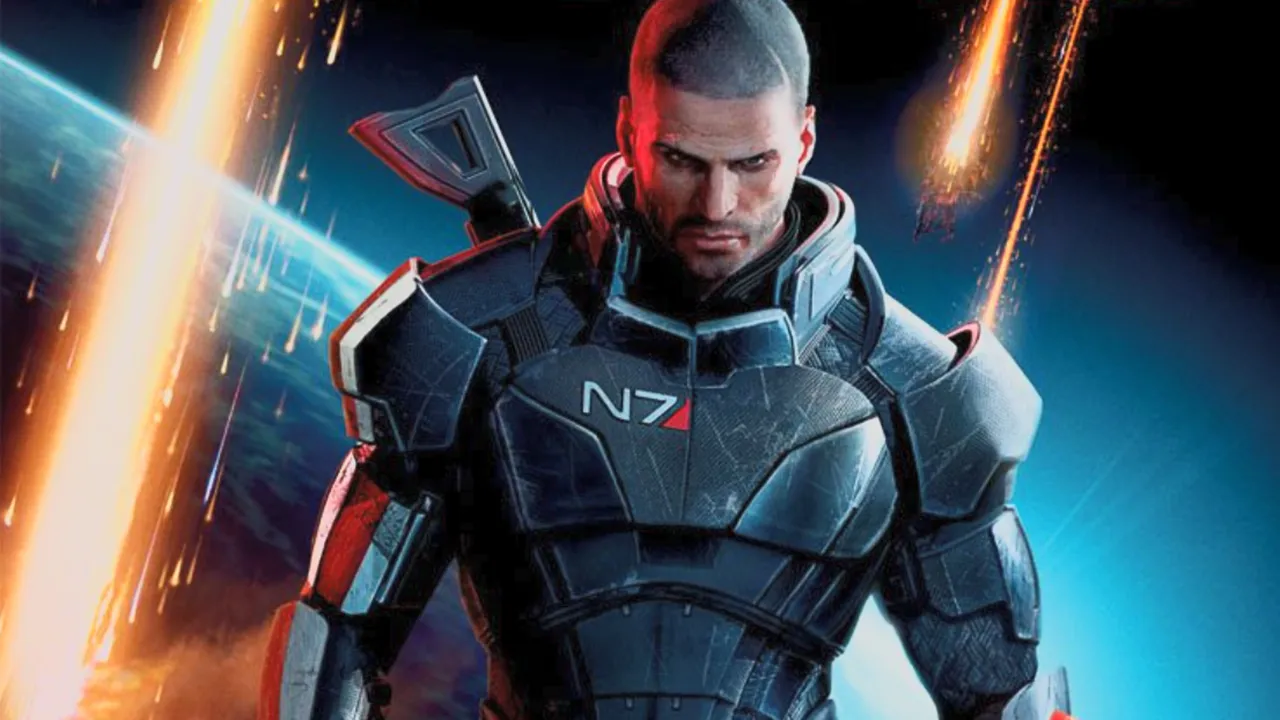
EA's decision to close BioWare and cancel Mass Effect 5 has triggered a fan movement that hit 200,000 petition signatures, led by the two actors who voiced Commander Shepard. For decision-makers, the episode shows how quickly a passionate user base can organize when a cherished IP is abandoned - and how community power can become a measurable business risk.
Change.org's #SaveMassEffect petition has blown past 200,000 verified signatures in less than a week, after EA confirmed it was shuttering BioWare and canceling Mass Effect 5. The effort's loudest boosters? The two voice actors who played Commander Shepard - Jennifer Hale and Mark Meer - plus a Destiny community that knows exactly how to fight for a game's survival.
Hale, who voiced female Shepard, posted a video over the weekend floating an audacious scenario: fans Kickstart a revival, investors join, a game company joins, and a collective brings Mass Effect back "for the community, for the creatives - for all of us." Meer, her male counterpart, echoed her: "Save Mass Effect. Hold the line." He added his Shepard flourish: "I should go, and you should go... sign that petition." Earlier, Hale had said she felt "weirdly hopeful" after a leaked trailer for the canceled Mass Effect: Universe surfaced. Both actors have been backers of the franchise for decades, which makes their visibility in this campaign all the more striking.
The petition's goal is to "prominently illustrate to EA the significance of this iconic series" and demand it continue. BioWare, the legendary RPG studio behind Mass Effect and Dragon Age, is being closed, and Mass Effect 5 is dead. For a franchise that has defined sci-fi role-playing for two decades, the reaction has been visceral - and it moved fast, with the signature count crossing 200K within the first weekend alone. That pace is a testament to the powerful social media echo chamber that gaming fandoms can build overnight.
What makes the movement even more notable is who is showing up. Destiny players, who organized their own campaign when Sony moved to cease development of Destiny 2 content earlier this year, have been a vocal force in the aftermath. One Guardians account wrote, "Don't forget, Guardians. We share a bond with Mass Effect. Do your part." That solidarity has a precedent: last month, Bungie revisited its plans for the franchise after its community spoke up, showing that fan pressure can occasionally move a multibillion-dollar roadmap. Even if the Mass Effect case is different, the connection is not lost on the people signing.
Owlcat Games, the studio behind the upcoming The Expanse: Osiris Reborn, has also thrown its weight behind the effort, pinning a post that reads: "The Expanse show was saved by fans in the past. So the #SaveMassEffect movement has our full support." This cross-franchise solidarity is a reminder that gaming's most engaged audiences treat canceled IP as collective cultural heritage. The support from a developer that has built its own brand on licensed, story-driven RPGs gives the campaign an industry-level endorsement, not just a fan-led one.
Realism check: revivals at this scale are unlikely, as even the petition's organizers seem to understand. Yet the energy shows no sign of stalling. Fans are also organizing a boycott against EA, and the petition keeps climbing. Whether or not Mass Effect returns, the movement has already accomplished something measurable - it has turned a corporate shutdown into a public referendum on how much a beloved IP means to the people who bought, played, and evangelized it. The conversation has shifted from "why did EA do this" to "what could bring it back," which is a far more dangerous question for an acquirer to answer.
For executives and boards watching from other corners of media and tech, the lesson is about asset valuation. A franchise's worth is not just its historical sales; it is the dormant organizing power of its fans. When a company axes a property with a passionate base, the backlash can erupt within days, not quarters. The cost is not just PR - it is the possibility that the community itself tries to fund, build, or pressure a revival, as Hale literally suggested. That may be a fantasy for now, but 200,000 signatures in a weekend is not a fantasy; it is a metric. And metrics, even sentimental ones, have a way of becoming boardroom talking points.
This story's Key Insights and Take-aways are locked.
Create a free account to unlock Executive Actions for one credit.
Register to UnlockAlways free for Executives Club members. Join the Club
More in Business
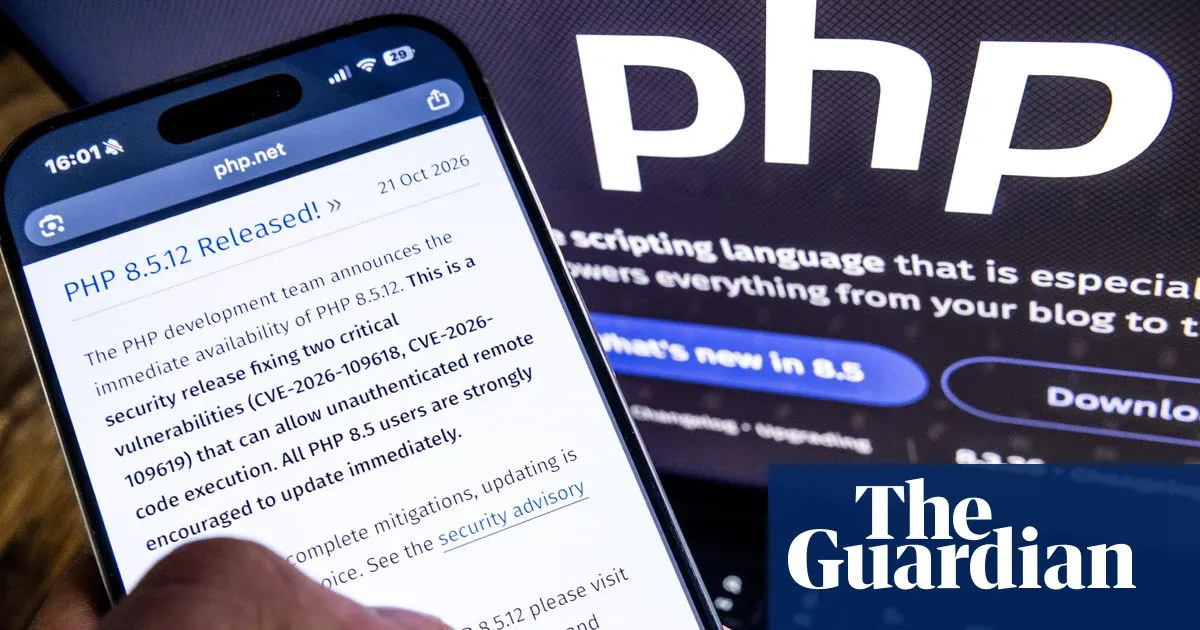
A flaw in PHP just forced governments to pull their own sites offline
European agencies from Belgium to Germany took websites dark to patch a critical weakness in the language behind almost 70% of the web, and the blast radius extends far beyond government portals.

BioWare shuts down, Mass Effect 5 dead after $55B EA buyout
The legendary RPG studio's closure lands months after a $55 billion investment group buyout of EA, raising tough questions for gaming's biggest acquirers.
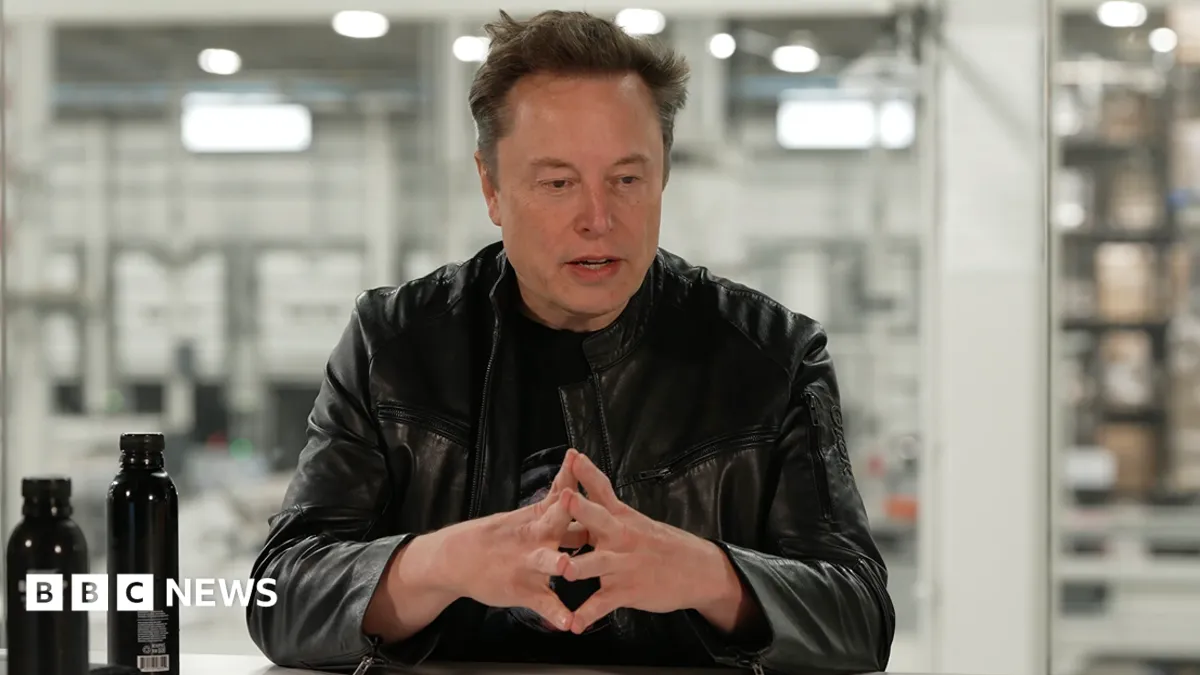
Musk weighs Tesla-SpaceX mega-merger as boards form review panels
Special committees at both companies will examine a tie-up that could fuse electric vehicles and space launch, forcing a fresh look at governance and valuation.