
EA confirms Fight Night comeback after 15 years - with a new owner in the ring
The boxing classic is officially returning, and Saudi Arabia's recent purchase of a big EA stake makes the timing impossible to ignore.
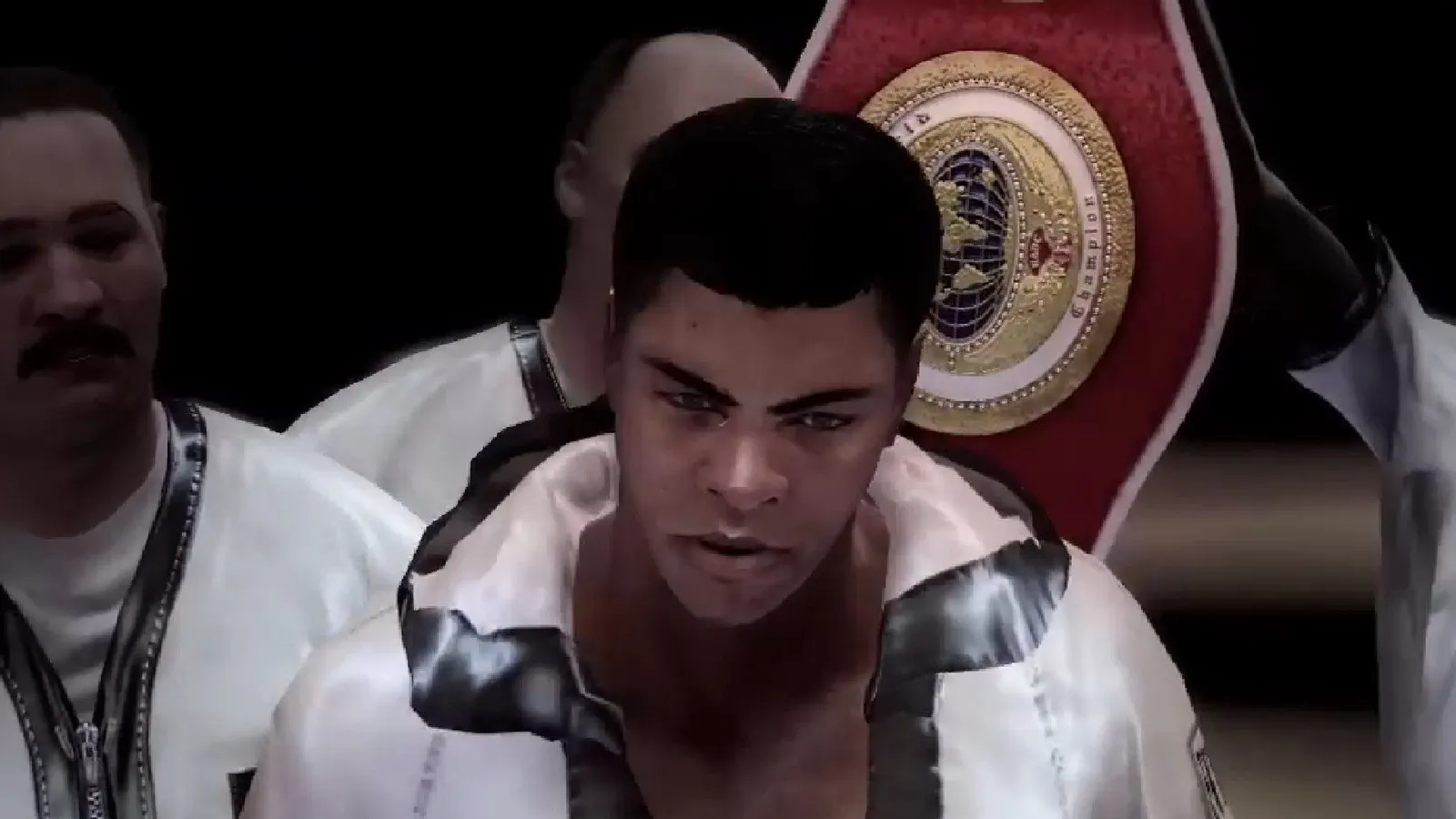
EA has reignited its dormant Fight Night boxing franchise, announcing via a new Twitter account that "Fight Night is coming back" after 15 years. The revival lands weeks after Saudi Arabia acquired a big chunk of EA, putting the commercial and political motives behind the comeback under a microscope.
EA has finally said the words its most loyal fans have waited 15 years to hear. In a post from a newly created Twitter account for the series, EA wrote: "To everyone who stayed in our corner: Fight Night is coming back." The accompanying image of boxing gloves dangling over an empty canvas carries the caption "the fight is never over." No release date, platform, or gameplay details were provided, but the statement ends more than a decade of silence for one of the most beloved sports franchises of the Xbox 360 and PS3 era.
This is not a one-off nostalgia play. Fight Night becomes EA's third revival of a dormant sports series in recent years, following the returns of College Football and Skate. College Football 25 launched to broad acclaim and monstrous sales, although community sentiment has soured by the time of College Football 27, with a controversial microtransaction rollout drawing criticism. Skate, meanwhile, has had a more mixed response and remains in early access. The pattern shows a publisher willing to mine its archived IP for fresh revenue, but the Fight Night return comes with a new factor in the corporate picture: Saudi Arabia.
Why now? EA has not said. But the context is hard to ignore. A big chunk of EA is now owned by Saudi Arabia, and the country regularly promotes professional boxing through its annual Riyadh Season events. The Public Investment Fund, Saudi Arabia's sovereign wealth vehicle, has been accused by watchdog groups of using sports and entertainment to "whitewash the country's abysmal human rights record." With that backdrop, bringing back a boxing series carries commercial logic and political resonance at the same time. It is exactly the kind of crossover that makes sense inside a portfolio that already touches football, golf, and now live boxing on Saudi soil.
The Fight Night series itself was an institution. Fight Night Round 4, released in 2009, was among the best-reviewed games on PS3 and Xbox 360, praised for robust fighting mechanics, extensive career modes, and graphics that were astounding for the era. Its appeal extended well beyond traditional sports fans into the broader gaming mainstream. The last entry, Fight Night Champion, launched in 2011, and since then a vocal minority of gamers have been publicly begging for a revival. That 15-year wait makes today's announcement a genuine moment for a passionate audience, and an easy win for a publisher looking to generate goodwill.
The financial stakes are not trivial. Reviving an established franchise reduces the risk that comes with launching new IP, which is why EA and other large publishers increasingly reach into their back catalogs. But the Saudi angle adds a governance layer that executives and boards outside gaming should watch closely. A month after buying EA, Saudi Arabia is reportedly looking to merge the company into a new mega-corporation. If that happens, the decision-making around IP revivals could become even more intertwined with the kingdom's broader sports and entertainment strategy. The line between shareholder value and state ambition begins to blur.
For operators and investors, the key question is not whether Fight Night will sell. A beloved boxing franchise with modern graphics and online modes will likely attract a substantial audience. The real question is whether EA's ownership structure will shape which franchises return next and how they are monetized. Watchdog scrutiny of Saudi sports investments has already been intense in football, golf, and boxing; video games represent a newer frontier. Expect closer attention to how the PIF's portfolio companies handle content decisions, especially anything that touches on regional politics or carries an implicit promotional angle.
For competitors and peers, the takeaway is that EA is now signaling a deliberate strategy: resurrect proven franchises, lean into live-service economics, and do it under an ownership structure with global ambitions that extend far beyond gaming. Skate's mixed early access reception and College Football's microtransaction backlash show that revivals are not automatic wins. Fight Night will have to thread the same needle, satisfying a nostalgic core while generating recurring revenue. The series' career mode and combat mechanics give it a strong foundation, but the business model will be the real test, and the political backdrop will make every monetization choice harder to ignore.
This story's Key Insights and Take-aways are locked.
Create a free account to unlock Executive Actions for one credit.
Register to UnlockAlways free for Executives Club members. Join the Club
More in Business

BioWare shuts down, Mass Effect 5 dead after $55B EA buyout
The legendary RPG studio's closure lands months after a $55 billion investment group buyout of EA, raising tough questions for gaming's biggest acquirers.
Musk barred from the room as Tesla, SpaceX boards weigh $3.5 trillion merger
The CEO of both companies is a 'conflicted party' watching independent directors negotiate a tie-up that would create a $3.5 trillion giant he would own about a third of.

Elon Musk just showcased a flying car - and it wasn't at Tesla
The Tesla CEO's latest reveal came at SpaceX, not Tesla, signaling where vertical mobility is headed.