
Echo Hub drops 39% on Prime Day to the lowest price we’ve seen
The Amazon tablet for your smart home hits an all-time low, reshaping what “cheap” automation looks like.
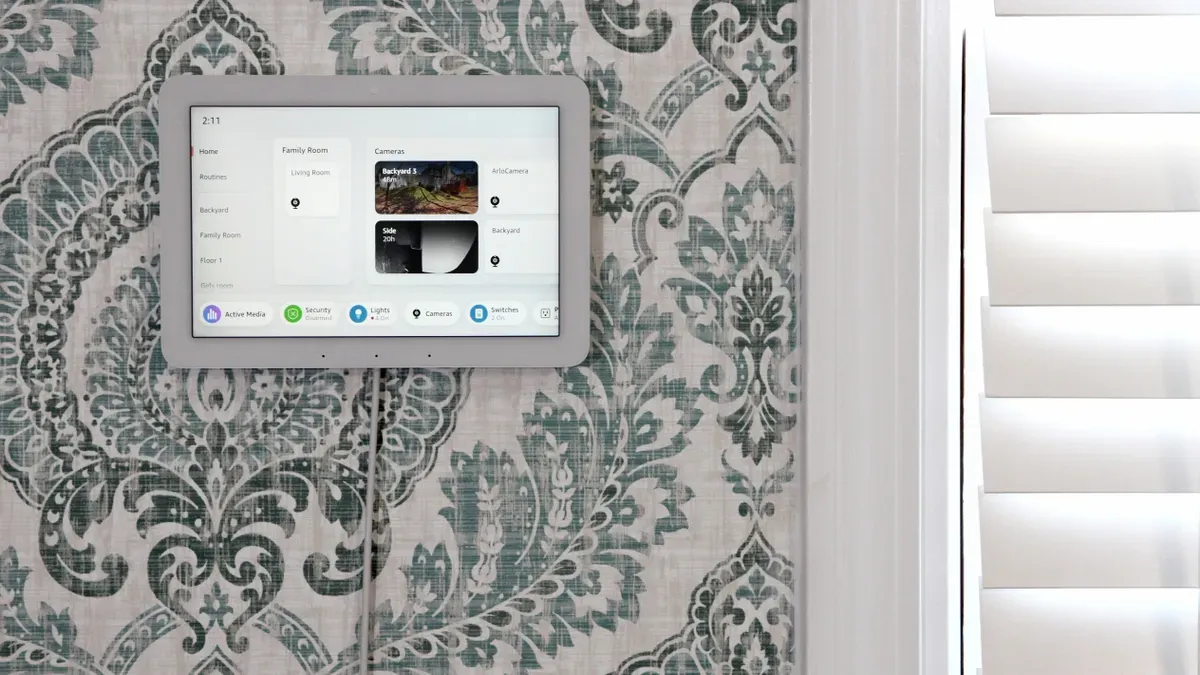
Amazon’s Echo Hub smart home tablet is discounted 39% as part of Prime Day, reaching the lowest price the outlet has seen. For decision-makers, the deal signals a strong demand-and-discount cycle around smart home control hardware.
Amazon’s Echo Hub is down 39% in a Prime Day deal, bringing the tablet to the lowest price ZDNet has seen. That matters because Echo Hub is not just another gadget on a shelf. It is a central control surface for smart home devices, the kind of hardware that can reduce daily friction, consolidate commands, and make it easier for households to actually use automation instead of just buying it.
A 39% drop is big enough to change behavior, not just budgets. When a product like a smart home hub gets that kind of discount, it can move the purchase from “nice to have” to “now it’s worth it,” particularly for people who were waiting for a better moment. Prime Day also compresses decision timelines: the same day a device becomes meaningfully cheaper is the day many consumers decide, “Fine, I’ll set it up this weekend.” The second-order effect for operators and investors in consumer tech is that demand can spike hard during promo windows, which then influences inventory planning, marketing spend, and how aggressively competitors match pricing.
To understand why a price cut at this scale matters, you have to know what smart home control hardware is supposed to do. Smart homes are rarely about buying one perfect product. They are about coordinating many devices across multiple ecosystems and habits. A control tablet or hub typically sits in the middle, translating voice and app actions into actual device changes, and often improving usability by putting controls in one place. That is exactly where the biggest “smart home problem” lives for most people: the gap between owning automation and running it smoothly every day.
Hardware discounts also act like a stress test for platform strategies. When Amazon moves pricing on something tied to its smart home layer, it is effectively telling the market that friction reduction is a priority right now. Those decisions can be driven by multiple incentives. For one, competition in smart home is intense, and control surfaces are where ecosystems compete hardest, because they shape how users interact with other devices. If Echo Hub becomes easier to buy at scale, it can expand the number of households that develop routines around Amazon’s interface, which then makes later add-on purchases and device integrations more likely.
There is also a regulatory and policy backdrop worth keeping in mind, even when the story is “just a deal.” Smart home technology touches areas like consumer data, security practices, and interoperability between devices and services. Across jurisdictions, regulators have increasingly pushed for clearer security expectations and more transparency about how connected devices collect and use data. While this ZDNet item is focused on pricing, executives who track the category should view any adoption lift as increasing the number of end users who will rely on connected control points. That can raise the stakes for product teams around patching, privacy posture, and user controls, especially for always-on or network-connected devices.
From a board-level perspective, the strategic question is not whether Prime Day is good for sales. It is whether a discount of 39% to a historic low signals something about supply, competition, or product cycle dynamics. Large promo drops can mean there is inventory to clear, demand timing to accelerate, or a need to defend share against similar hubs. If the discount successfully pulls in new buyers, the company can potentially offset some short-term margin pressure with downstream ecosystem engagement, such as additional device purchases or increased usage of connected services. If it does not, the company may face the harder work of proving value at a price closer to the normal range.
For peers in consumer hardware, the implication is straightforward: price and placement now matter as much as features. Smart home buyers are increasingly cost-sensitive because they have learned to compare deals across brands and because they understand that ecosystems can be stitched together in multiple ways. When a control hub becomes dramatically cheaper during a mainstream shopping event, the “best product” may lose to the “best deal,” at least temporarily. Executives should treat that as a signal that purchase readiness in this category is highly elastic, and that go-to-market plans need to anticipate sharp swings in customer behavior.
In short: Echo Hub at the lowest price ZDNet has seen, down 39% on Prime Day, is not only a bargain headline. It is a concrete example of how smart home adoption can accelerate when a control surface drops into impulse territory. For decision-makers, that is the kind of market moment that can shift demand curves, influence competitive responses, and raise the operational priority of security, integration, and user experience. Deals like this can turn “someday” automation into weekend setup, and once users are in motion, the ecosystem math starts to matter.
This story's Key Insights and Take-aways are locked.
Create a free account to unlock Executive Actions for one credit.
Register to UnlockAlways free for Executives Club members. Join the Club
More in Technology

Nvidia's $89B data center quarter: the 9 companies cashing in
The AI buildout is minting fortunes beyond GPUs, and memory, cloud, and cooling suppliers are riding the same wave.

Google quietly links your phone number to every Android account on your SIM
Adding a SIM now ties your phone number to all Google accounts - and future accounts inherit it. Here's the security and privacy stakes.

Hijacker AI 'Skynet mode' runs 100,000 attack steps against exposed models
Symantec caught a criminal AI agent that borrows other models, steals data, and mines crypto; the only relief is no confirmed victims yet.