
El Mayo Zambada gets life without parole in US prison after Sinaloa cartel case
Ismael “El Mayo” Zambada’s life sentence reshapes how cartel prosecutions play out in the US. Here’s what it means.
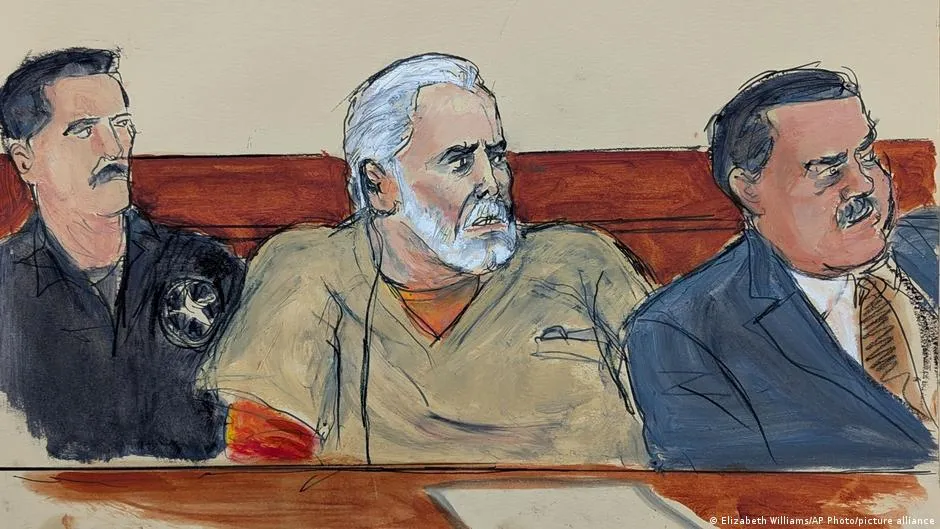
Ismael “El Mayo” Zambada, a co-founder of the Sinaloa cartel, was sentenced to life without parole in a US prison. For decision-makers watching cross-border risk, it signals a hardening enforcement posture against top-level cartel leadership.
Ismael “El Mayo” Zambada, a co-founder of Mexico’s Sinaloa cartel and one of the world’s most notorious drug traffickers, was sentenced to life without parole in a US prison. That outcome matters because it removes the usual uncertainty that comes with cartel prosecutions, where lengthy sentencing can still be followed by appeals, sentence reductions, or other procedural delays. In other words, the court did not just impose a long term. It imposed a final one.
Zambada’s conviction and sentence also crystallize the US role in some of the most consequential cartel cases. When leadership-level figures are brought into the US system and handed life without parole, it changes the psychological and operational calculus for networks that depend on hierarchical stability. Cartels are not just criminal enterprises, they are institutions with reputations, internal roles, and succession logic. Removing a co-founder from the picture at the highest possible penalty level is a direct strike at that stability.
For executives, the immediate story is about enforcement. The second-order story is about risk. Severe sentences like this one often trigger broader compliance activity in sectors that sit near cross-border flows: logistics, banking, payments, insurance, commodities, and any business touching remittances or international trade routes. Even companies that never knowingly transact with illicit actors usually have to prove they do not, especially when high-profile convictions concentrate regulators’ attention. Life without parole at this level tends to sharpen the focus on how money moves, how shell structures operate, and how intermediaries can be exploited.
This case also highlights the modern “target the top, then pressure the ecosystem” approach that tends to dominate complex organized-crime prosecutions. Zambada is described as a co-founder of the Sinaloa cartel. That detail is not just trivia. Prosecutors typically choose targets whose authority can unlock other investigations, either through documented relationships, operational links, or the ability to reveal how different parts of the network connect. When a co-founder is sentenced to life without parole, it implies the case reached a level of evidentiary strength that satisfied the highest bar. That matters for future charging decisions because it sets a precedent of what can be proven and what sentences are on the table.
There is another layer executives should care about: international coordination and jurisdictional strategy. US sentencing outcomes in major transnational trafficking matters depend on multiple moving parts, including evidence gathered across borders, defendant custody and transfer logistics, and legal frameworks that allow prosecutors to tie conduct to jurisdiction. A life without parole sentence for a top cartel figure sends a signal that the system is willing to sustain that effort through the finish line. It also pressures other defendants and networks that may have expected bargaining room, uncertainty, or delays to change the final math.
Boards and senior leadership teams should also think about internal governance. When the news cycle concentrates on cartel leaders, companies often discover gaps in their vendor and counterparty oversight. The reason is simple. High-profile enforcement creates new urgency, and urgency exposes weak points: policies that are outdated, onboarding processes that do not consistently collect the right documentation, monitoring that is too slow to catch suspicious patterns, and risk assessments that do not reflect current enforcement priorities. Even where there is no direct connection, the perception of exposure can become a real business issue because regulators and partners demand proof of control.
Strategically, this sentence also feeds into the broader global stance toward illicit drug trafficking. Zambada is described as one of the world’s most notorious drug traffickers. The world treats notoriety differently than it treats ordinary crime. It can accelerate cooperation, harden sentencing outcomes, and intensify scrutiny of financial systems that might otherwise claim ignorance. For executives operating in cross-border environments, that means compliance is no longer a checkbox exercise. It becomes part of operational resilience.
The headline is about punishment, but the operational implication is about stability and time. When a co-founder of the Sinaloa cartel receives life without parole in a US prison, the message is that the enforcement cycle can reach the highest ranks and the highest penalties. That should sharpen how peers approach compliance investment, how boards review risk, and how leadership teams think about the long-term cost of weak controls in a world where regulators increasingly connect the dots from money movement to cartel leadership.
This story's Key Insights and Take-aways are locked.
Create a free account to unlock Executive Actions for one credit.
Register to UnlockAlways free for Executives Club members. Join the Club
More in Politics

LA County: DOJ's 20,000 'noncitizen' voter list is 'unreliable,' includes U.S.-born
Preliminary review by Los Angeles County election officials finds errors in the federal list, raising the stakes for voter roll integrity ahead of November.

Trump's $1.5B Pentagon chip investment lands in North Carolina
A $1.5 billion defense infusion for North Carolina chipmaking signals a new era of Pentagon-backed reshoring - here's what it means for the industry.
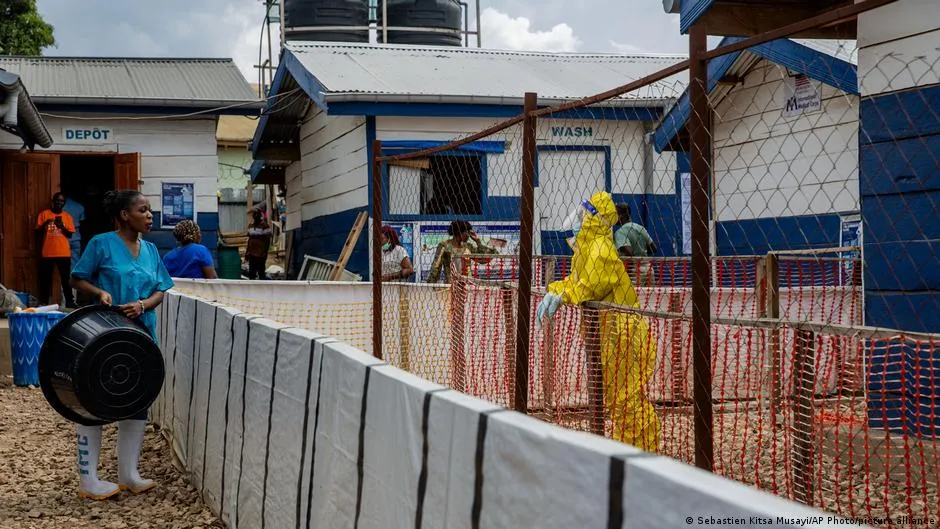
Nigeria confirms first Ebola case in Abuja, a woman just off a Uganda flight
Health Minister Muhammad Ali Pate says the patient flew in from Uganda, putting Africa's latest outbreak on Nigeria's doorstep.