

El Niño may hit farmers harder, compounding trade and energy pain across markets
An intense El Niño is poised to amplify disruption in food supply, trade flows, and energy costs, with ripple effects for boards.
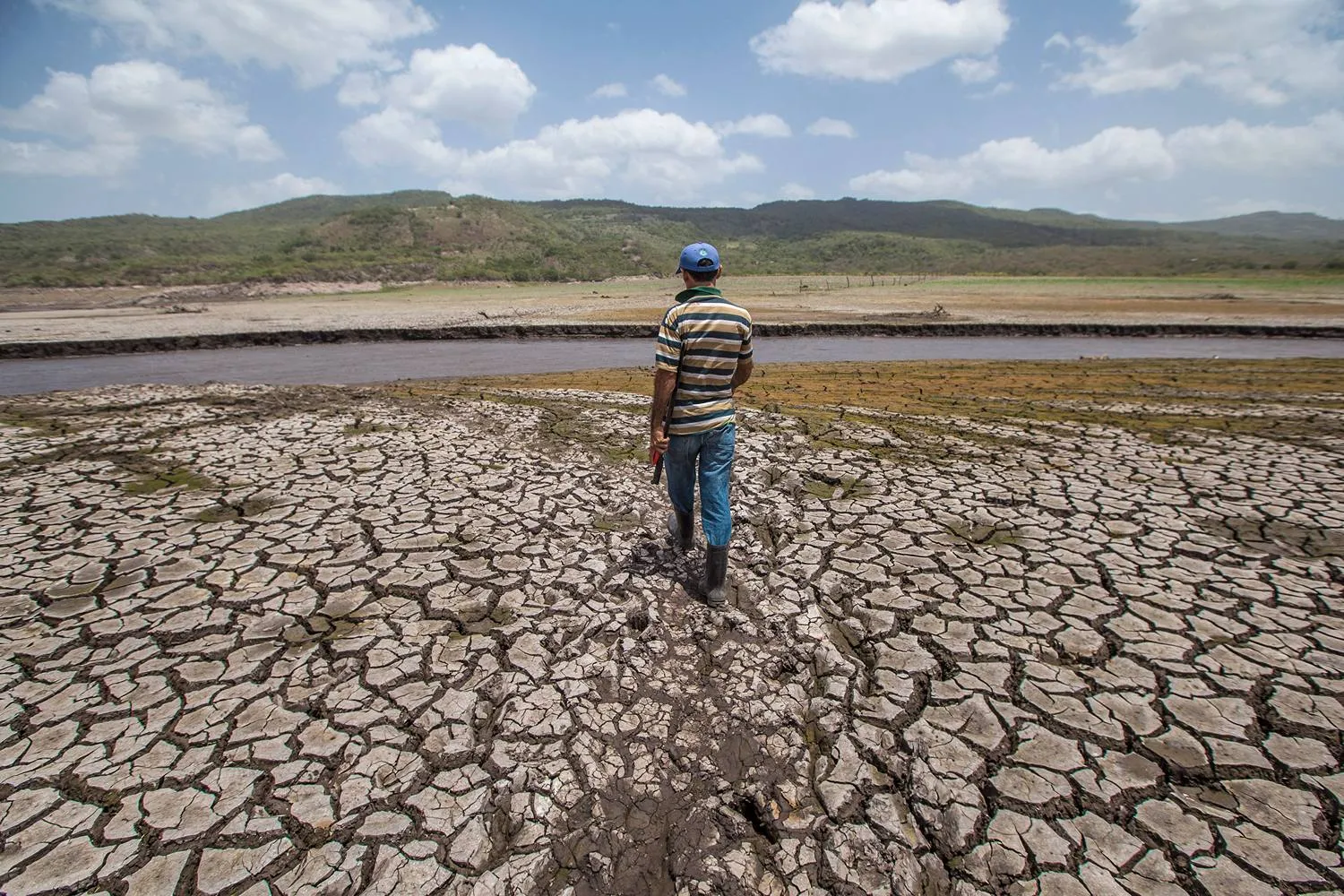
An intense El Niño threatens to compound trade and energy pain for farmers worldwide. For decision-makers, the key consequence is higher volatility in the inputs that connect agriculture to consumer prices, logistics, and energy demand.
An intense El Niño is building toward a collision that farmers worldwide are already bracing for. The core concern is straightforward: El Niño weather patterns can disrupt growing conditions, which then reverberates through trade and energy markets. Foreign Policy frames the risk as a compounding problem, not a one-off scare. In other words, the weather shock does not just stress agriculture. It also piles onto existing pressure points in the global economy, especially around trade and energy.
That “compounding” part matters for executives because it describes the shape of the risk: multiple frictions hitting at once. Trade pain can show up as tighter shipping capacity, shifting sourcing strategies, and more uneven availability of agricultural commodities. Energy pain can show up as higher volatility in prices and demand, since weather-driven changes in agriculture can influence fuel use and broader economic activity. If you are running a supply chain, a procurement function, or a balance sheet with commodity exposure, the difference between one shock and two shocks is the difference between a manageable variance and an ugly cascade.
To understand why this matters, zoom out to how El Niño typically transmits through markets. El Niño is a climate phenomenon that can alter rainfall and temperatures across regions. For farmers, that translates into yield uncertainty, planting and harvest timing problems, and sometimes damage to crops that are already sensitive. For everyone else, agriculture is a downstream system: food prices, feed costs, and procurement decisions follow the harvest cycle. When production is uneven across geographies, traders and buyers respond by rerouting flows. That rerouting is where trade friction can grow. Even if the underlying market remains “open,” the practical reality becomes more expensive and more complex, with counterparties trying to secure supplies before conditions worsen.
Now connect agriculture to energy. Energy and agriculture are linked through several channels. There is direct exposure through fuel and fertilizer costs that influence farm economics. There is also demand exposure: if weather shocks impair agricultural incomes in some regions, household spending can shift, and industrial activity can slow or re-route. Meanwhile, traders and investors do not treat weather as a niche risk anymore. They price it in across related markets, and the knock-on effects can show up in energy volatility even when the immediate weather impact is agricultural. That is the logic behind Foreign Policy’s framing: El Niño can become a multiplier, adding uncertainty to an already sensitive environment for trade and energy.
This is also the kind of situation that forces companies to rethink the timing of decisions, not just the decisions themselves. Boards and executives often assume risk is additive: one factor raises costs, another factor raises costs, and you total them. But compounding risk behaves differently. If an El Niño-driven supply interruption hits at the same time as trade disruptions, the result can be longer lead times, worse availability, and a tighter window to lock in inputs. That tight window can push procurement toward less efficient hedging or toward spot purchasing at higher prices. In energy, volatility can complicate budgeting because the pricing surface can move faster than contract terms adjust.
For policy and regulatory context, the broader point is that weather shocks tend to trigger political attention and market interventions, even if the specific policy response varies by country. Governments may adjust import or export rules, release or procure grain for stability, or recalibrate energy support programs when costs rise. Executives should not assume they know the exact policy path in every jurisdiction. But they can prepare for the fact that regulation usually follows stress: when commodity prices become harder to explain to voters, decision-makers look for levers. That means firms with global exposure should expect more complex compliance landscapes and more frequent changes in operating conditions.
Second-order implications can be brutal for governance. When a board is staring at margin pressure from input costs, it also has to consider working capital. Commodity uncertainty can drive higher inventory targets, longer contract cycles, and more aggressive credit terms with suppliers. That is how an El Niño shock can turn into a liquidity story, not just a pricing story. The global agricultural system is interconnected with shipping, logistics, and energy procurement. A weather event changes the rhythm. If your organization is not built to flex that rhythm, the operational disruption becomes financial disruption.
For peers in similar roles, the strategic stakes are simple but serious. Foreign Policy’s warning is not about curiosity. It is about planning under uncertainty with compounding risks in trade and energy. If the world is already tense on those fronts, an intense El Niño can make the tension sharper, faster, and harder to route around. The executives who treat this as a scenario to stress-test now are more likely to protect continuity later, when the market stops negotiating and starts reacting.
This story's Key Insights and Take-aways are locked.
Create a free account to unlock Executive Actions for one credit.
Register to UnlockAlways free for Executives Club members. Join the Club
More in Politics

Kemi Badenoch says Andy Burnham’s Britain ambitions are “too small” after business rates cut
A business rates change for pubs and clubs triggers a sharper Conservative-versus-Labour fight over who is backing growth.

Trump pushes tariffs again after legal defeats, sparking GOP unease
Despite losing court fights, the administration moves forward, leaving Republicans to manage the political and market fallout.
Wilbur Ross warns Trump’s Iran exit is a midterms lose-lose: oil prices or “weak” withdrawal
The former commerce secretary tells Fortune the Strait of Hormuz is where voters decide whether “peace” is believable.