
Elizabeth Banks is directing the Magic School Bus live-action movie
The 1990s cartoon gets a live-action reboot, and Banks brings credibility, clarity, and a fast route to broad audiences.
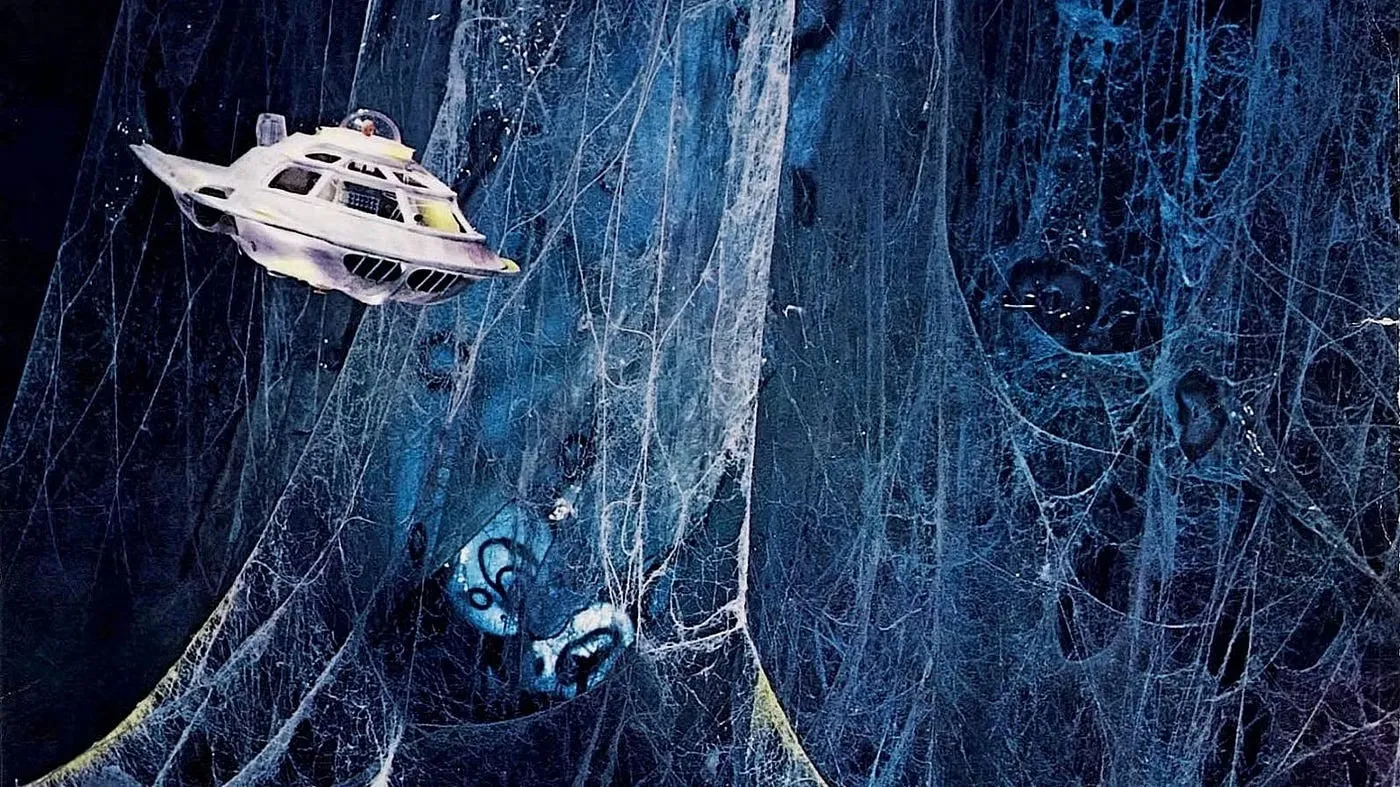
Polygon reports that the Magic School Bus movie is officially happening as a live-action film starring Elizabeth Banks. The director attachment matters to decision-makers because it signals a serious attempt to translate a beloved kids brand into a scalable mainstream property.
Magic School Bus is officially happening as a live-action movie, and Elizabeth Banks is at the center of it as both the headline name and the director. That matters more than another generic reboot announcement, because “who’s directing” is often the real proxy for whether a studio plans to treat this like a merch-and-math cash grab or a story-first event.
According to Polygon, the film is a live-action adaptation of the beloved 1990s cartoon, with Banks attached as the perfect director, and with Elizabeth Banks starring in the movie as well. In plain English: this is not just a license getting hauled into production. It is a recognizable creative with mainstream reach stepping into the driver’s seat of a family IP that already has built-in nostalgia.
If you work anywhere near media strategy, you already know the uncomfortable truth about reboots: the audience remembers the feeling, not the frame-by-frame plot. That is why director attachments carry real weight. They shape tone, pacing, and how “educational” is handled on-screen. With Magic School Bus, the brand’s core promise is curiosity, exploration, and classroom energy, translated into an adventure format. The risk is that live-action adaptations either sand off the magic or over-correct into something too preachy. Banks being attached can be read as an effort to land the sweet spot: make it fun enough for kids, safe enough for parents, and coherent enough for everyone who decides whether a family movie becomes a repeat viewing tradition.
Zoom out for context and the timing looks like more than coincidence. Polygon frames the moment as a wave of revivals sweeping through popular culture, with references like Masters of the Universe in theaters, a Thundercats movie on the way, and X-Men '97 season 2 arriving on Disney Plus. That pattern is important for decision-makers because it suggests the entertainment market is still willing to bet on known IP, even as audiences are pickier about execution. In other words, studios want the insurance policy of recognizable properties, but they need a reason for audiences to show up beyond “I used to watch this.” The director is one of the clearest signals that the plan is to earn attention, not just rely on memory.
There is also a business model angle that executives tend to track even when they do not say it out loud in board meetings. Family content has high ceiling potential when it lands, partly because it can travel across formats: theatrical, streaming, licensing, and long tail catalog value. But it also has a sharper failure mode. A misfire does not just flop once, it can contaminate the brand. With nostalgic kids properties, trust is the currency. That is why attachment announcements like this one, especially when they include a recognizable figure like Elizabeth Banks, are treated as early “risk hedges.” They try to reduce uncertainty before any big spend happens.
The regulatory backdrop is quieter for this specific news, but the underlying compliance reality is not. Family entertainment typically has to navigate content standards, marketing rules for children, and accessibility expectations, depending on where and how the film is distributed. Live-action also changes the compliance surface area compared to animated originals, because visual realism can shift how scenes are interpreted, even when the story is age-appropriate. That is not a headline story on its own, but it is part of why studios care about execution. If a film wants to play broadly, it has to clear more than just creative hurdles.
For peers, this announcement is a reminder that nostalgia alone is no longer a strategy. The market has been flooded with reboots and revival announcements, so studios need credibility in the driver’s seat. Banks’ attachment can be read as a way to convert familiarity into something “appointment viewing.” If the production builds a film that modernizes without erasing what made the original feel special, Magic School Bus could become another family property that proves studios can still create new hits from old libraries.
Strategically, the stakes are simple: can Magic School Bus become a modern mainstream hit, or will it land as a “nice try” memory? Elizabeth Banks directing and starring, per Polygon, is the kind of concrete creative commitment that increases the odds of the former. For decision-makers watching the reboot economy, the lesson is that the next wave will not be won by announcements. It will be won by directors who can translate a brand’s educational promise into real entertainment, quickly and convincingly.
This story's Key Insights and Take-aways are locked.
Create a free account to unlock Executive Actions for one credit.
Register to UnlockAlways free for Executives Club members. Join the Club
More in Entertainment
Liam Payne’s $29M estate goes by British intestacy to his 9-year-old son
Court documents show Payne died without a will, triggering British intestacy rules and forcing a specific family-first distribution plan.

David Iserson says Peacock is ending Ponies after one season, for now
A co-creator farewell post spells out why the show, led by Haley Lu Richardson and Emilia Clarke, was always a “hard to make” gamble.

Phil Spencer backed Kojima's OD pitch after big companies called him 'crazy'
The Xbox exec stepped in when others said they could not build Kojima's “new game system” concept.