
Elizabeth Banks is Ms. Frizzle as Legendary develops Magic School Bus live-action
Rob Letterman writes the treatment and Elizabeth Banks stars, as Legendary acquired rights from Universal for a big-screen debut.
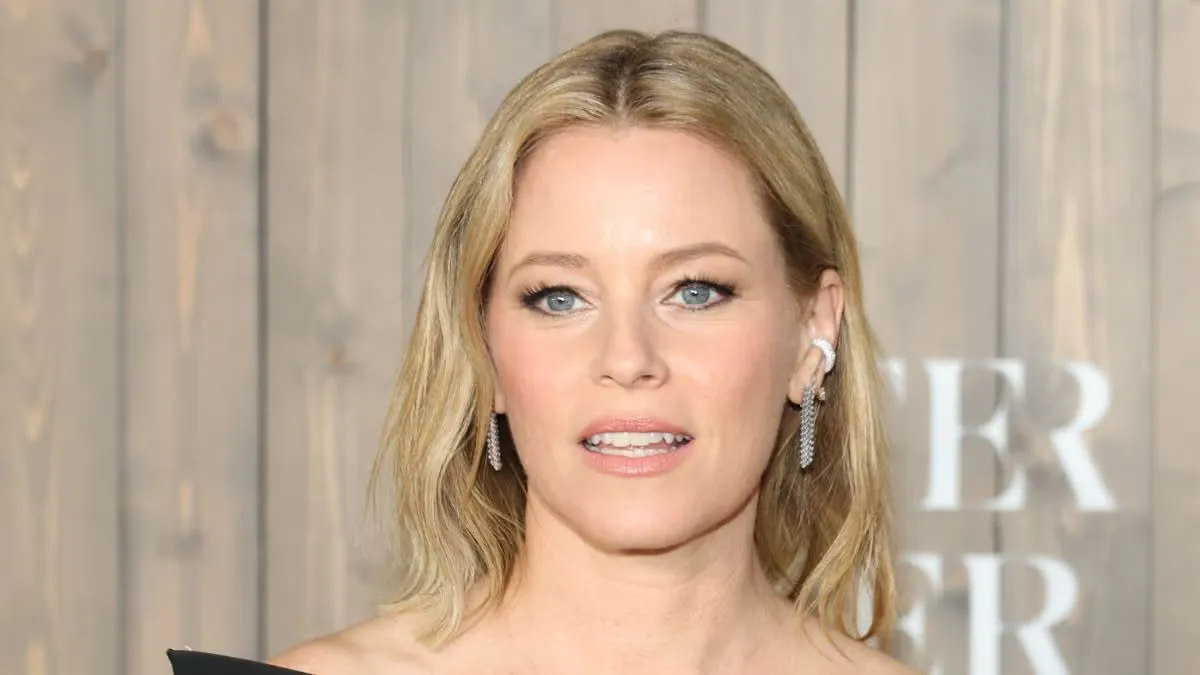
Legendary is developing a live-action Magic School Bus movie with Elizabeth Banks attached to star as Ms. Frizzle. The project, written for treatment by Detective Pikachu director Rob Letterman, signals a high-profile pivot for kids’ IP as it moves from legacy TV to theatrical.
Elizabeth Banks is attached to star as Ms. Frizzle in a live-action Magic School Bus movie currently in the works at Legendary. Legendary has acquired the rights from Universal, and Detective Pikachu director Rob Letterman is attached to write a treatment and direct. If you have ever watched the Magic School Bus books and thought, “This feels made for big screens,” the industry is finally treating that instinct like it matters.
The reason this matters to decision-makers is simple: this would be the first time audiences get Ms. Frizzle’s class on the big screen, and it is built on an IP with proven mass reach. The series is based on author Joanna Cole and illustrator Bruce Degen’s book lineup, about an intrepid teacher and her class going on field trips to learn science, using their magic school bus to transform, shrink, or expand as needed to help kids explore and learn. Scholastic Entertainment is a key production partner, alongside Marc Platt Productions and Legendary, which matters because Scholastic is the publishing engine that already knows how to keep kids’ content scalable and recognizable.
From a business standpoint, the rights move is the real operational tell. Legendary acquiring the rights from Universal is the sort of behind-the-scenes step that often determines how quickly a studio can package talent, financing, and distribution. It also shifts the leverage in early development. Whoever controls the rights is the one who can say yes to the cast they want, lock the creative team, and build a slate that fits their long-term strategy for family and kids content.
The creative constellation here is also telling. Rob Letterman is attached as treatment writer and director, with Elizabeth Banks starring and producing through Brownstone Productions (along with Max Handelman and Alison Small). Marc Platt and Adam Siegel are attached via Marc Platt Productions. Legendary’s producing team includes Mary Parent, Ali Mendes, and Cale Boyter. When you see this many producer stakeholders clustered around a kids property, it usually means someone is trying to make the movie feel like more than a “translation” from page or screen. They are trying to make it a brand event.
And the brand event angle has strong precedent in this franchise. The Magic School Bus books have over 80 million books in print worldwide. The stories were first adapted into a critically acclaimed PBS series in 1994 that featured Lily Tomlin as the voice of Ms. Frizzle. That show aired for 18 years in the U.S. and has been broadcast in more than 100 countries. Later, an animated sequel, The Magic School Bus Rides Again, debuted on Netflix in 2017, featuring Kate McKinnon as Ms. Frizzle’s sister, Fiona. Lin-Manuel Miranda sang the theme song for that show. Translation: the IP has already proven it can move platforms, formats, and even voice dynamics while staying recognizable.
So what is the second-order implication for executives and boards? Watch how theatrical opportunities are being priced, not just for art but for audience behavior. Kids’ content is rarely a straight line from “viewed on screen” to “paid at box office.” But studios keep attempting the bridge when they believe they can turn a familiar educational brand into a cinematic moment that parents can justify and kids can demand. A live-action adaptation with a high-profile performer like Banks is one way the industry tries to compress that gap.
There is also a quiet power shift implied by the production credits. This is not solely a studio-driven play. It is a collaboration among Scholastic Entertainment, Marc Platt Productions, Brownstone Productions, and Legendary. That blend can reduce uncertainty because each party brings domain knowledge. Scholastic brings literacy and youth-brand DNA. Marc Platt Productions and Brownstone bring mainstream production experience. Legendary brings the studio muscle to build a larger commercial rollout if the project moves from treatment to financing and eventually to production.
Finally, for peers thinking about kids’ properties, the strategic stake is clear: Legendary is aiming to capture a franchise moment that has already lived in classrooms, living rooms, and streaming feeds. The promise in this news is not only a new movie. It is the possibility that Magic School Bus becomes a tentpole that spans generations, the kind of title that can be marketed around both fun and learning, and the kind of library IP that studios increasingly fight to control before it gets locked elsewhere. If this adaptation lands, it will reinforce a simple lesson for content strategists: evergreen educational franchises can still feel urgent, if you attach the right creative team and treat “big screen” as a category, not an afterthought.
This story's Key Insights and Take-aways are locked.
Create a free account to unlock Executive Actions for one credit.
Register to UnlockAlways free for Executives Club members. Join the Club
More in Entertainment

Disney Lorcana’s Attack of the Vine adds Up’s Carl, Ellie, Russell, and Paradise Falls
Ravensburger’s next set finally brings Pixar’s Up into Lorcana, starting with Carl, Ellie, Russell, and the Falls.
A24 hands Google DeepMind a seat, after years of guarding its creative workflow
The films stay separate. The deal shifts who gets to see A24's process, and what that enables downstream.

Netflix’s horror game turns your phone into Zoë Kravitz’s on-screen hands
Executives get a real look at how Netflix is using mobile control to deepen engagement for a major star-led title.