
Elvis estate sues Anthropic over 274 songs in AI training
Authentic Brands Group's suit over Presley's catalog signals a new front in AI copyright battles.
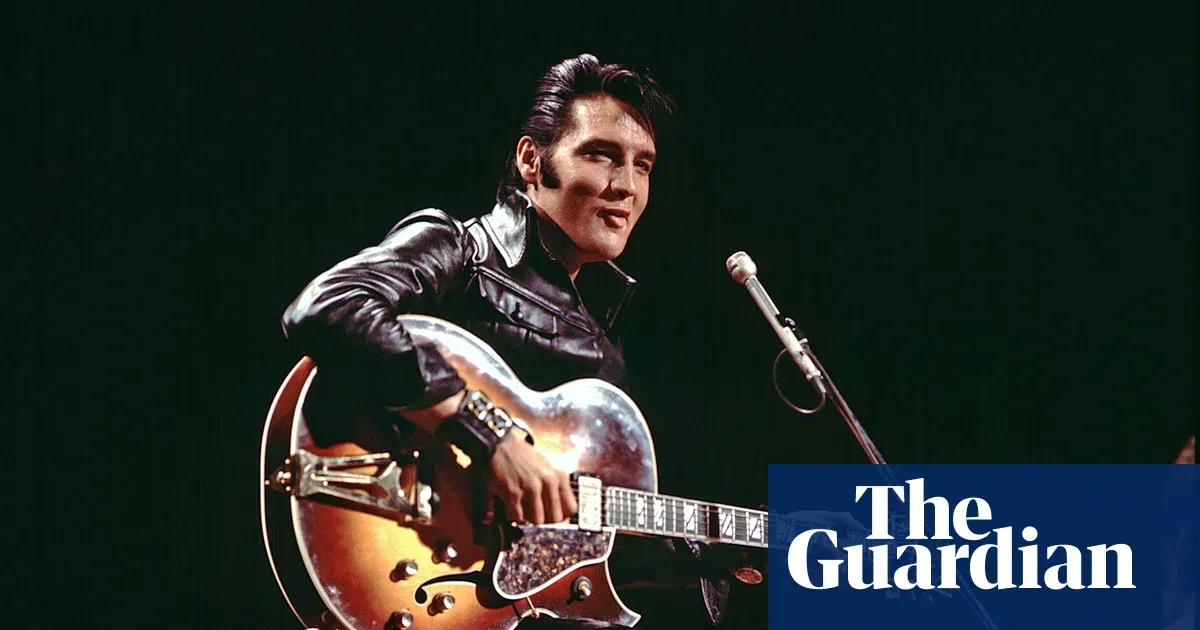
Authentic Brands Group, owner of Elvis Presley's music and likeness, sued Anthropic on Friday, alleging the AI company used 274 Presley songs to train its models without permission. The suit adds to Anthropic's mounting legal exposure over copyrighted material and warns AI firms that music catalogs will enforce their rights.
Authentic Brands Group, the licensing organization that owns Elvis Presley's music and likeness, filed suit against Anthropic on Friday, alleging the AI company used 274 Presley songs - including "Can't Help Falling in Love" - to train its models without permission. The lawsuit, first reported by Billboard, is the latest salvo in a widening war between rights holders and AI developers over the unlicensed use of copyrighted material.
The suit accuses Anthropic of infringing on the rights to the King's catalog, a claim that strikes at the heart of how AI companies build their training data. For Anthropic, the maker of the Claude chatbot, the case adds another layer of legal risk to an already crowded docket of copyright disputes. The specific number - 274 songs - is a reminder that this is not a marginal oversight but a systematic use of a beloved catalog, and Authentic Brands Group is not known for letting such claims slide.
AI models like Claude learn by ingesting vast amounts of text, code, and lyrics scraped from the internet. Rights holders argue that this process reproduces their works without authorization, while AI companies often claim fair use or that the data is transformative. The Elvis suit is notable because it involves a music catalog, not just books or news articles, and because Authentic Brands Group controls both the music and the likeness, giving it a broad enforcement mandate. That dual ownership means the company can pursue claims not only for the compositions but also for how the King's image and voice might be replicated by AI.
For the music industry, the case is a test of whether lyrics and compositions are protected in the AI training pipeline. Presley's catalog is among the most valuable in popular music, and Authentic Brands Group has a track record of aggressively defending its intellectual property. The company's decision to sue Anthropic specifically - rather than a larger target like OpenAI - suggests that no AI developer is off the hook. It also signals that music catalogs, which have watched the book publishing and news industries fight similar battles, are ready to take their own legal stands.
Anthropic has not yet responded publicly to the lawsuit, and the case is likely to turn on whether the use of lyrics in training data constitutes infringement or falls under fair use. Courts have been split on similar questions, and the outcome could set a precedent for how AI companies license or avoid copyrighted material. For executives building AI products, the suit is a reminder that training data is not a legal gray zone - it is a liability. The cost of defending a copyright claim can run into the millions, and a loss could mean retroactive licensing fees or injunctions that force models to be retrained.
The broader implications extend beyond Anthropic. If Authentic Brands Group wins, it could open the door for other music catalogs - from Motown to modern pop - to demand licensing fees or retroactive payments. That would raise the cost of training AI models and force companies to rethink their data sourcing strategies. For startups and incumbents alike, the Elvis lawsuit is a signal that the era of scraping first, asking later is ending. Rights holders are now watching AI companies with the same intensity that they once reserved for file-sharing services like Napster.
For boards and CEOs, the takeaway is clear: copyright compliance is now a board-level issue. Companies using AI tools should audit their training data, negotiate licenses with rights holders, and monitor litigation that could reshape the legal landscape. The Elvis case is not just about the King - it is about who gets paid when machines learn from human creativity. And with 274 songs at stake, the answer could come with a very loud verdict.
This story's Key Insights and Take-aways are locked.
Create a free account to unlock Executive Actions for one credit.
Register to UnlockAlways free for Executives Club members. Join the Club
More in Business
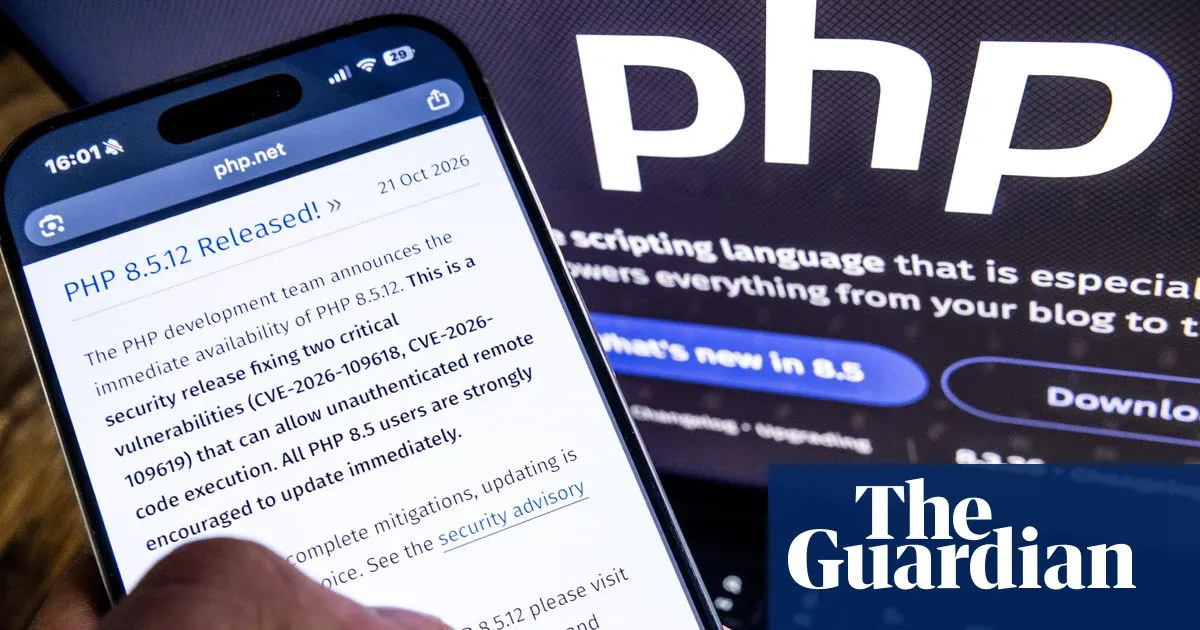
A flaw in PHP just forced governments to pull their own sites offline
European agencies from Belgium to Germany took websites dark to patch a critical weakness in the language behind almost 70% of the web, and the blast radius extends far beyond government portals.

BioWare shuts down, Mass Effect 5 dead after $55B EA buyout
The legendary RPG studio's closure lands months after a $55 billion investment group buyout of EA, raising tough questions for gaming's biggest acquirers.
Musk weighs Tesla-SpaceX mega-merger as boards form review panels
Special committees at both companies will examine a tie-up that could fuse electric vehicles and space launch, forcing a fresh look at governance and valuation.