
England begin World Cup campaign with 4-2 win over Croatia, then Oasis “Wonderwall” erupts
A packed Dallas stadium, Harry Kane’s two goals, and a viral singalong that ties football culture to pop megahits.

England started the FIFA World Cup campaign with a 4-2 win over Croatia in Dallas, Texas on June 18, then had fans serenade the team with Oasis’ 1995 “Wonderwall.” For decision-makers, the clip shows how match-day entertainment, media distribution, and brand affinity can amplify attention far beyond the pitch.
England kicked off their 2026 FIFA World Cup campaign in Dallas, Texas on Wednesday, June 18, with a 4-2 win over Croatia. They didn’t just win. They did it in a match that swung twice, with England leading in the first half before being pegged back by Croatia’s Martin Baturina and Petar Musa. Then, after the final whistle, the Three Lions supporters carried the momentum into a pop-culture moment: an Oasis “Wonderwall” singalong, with players including Anthony Gordon, Jude Bellingham, and Harry Kane showing signs of emotion as the song was roared back at them.
If you’re wondering why this matters beyond sports talk: the win put England at the top of their group, ahead of Ghana, who also won their opening game against Panama. That group position is the on-field consequence. But the off-field consequence is how quickly a football story turned into a mainstream media object. A clip shared by BBC Sport on Instagram was reposted by both Oasis’ and Liam Gallagher’s main social accounts, instantly widening the audience and making the match-day ritual travel like content, not just celebration.
On the pitch, the game reads like the kind of opening-round drama tournament organizers live for. Harry Kane scored twice, with goals by Jude Bellingham and Marcus Rashford adding to England’s early advantage. In the first half, England lead twice. Croatia stayed dangerous and punished the gaps with sublime efforts from Baturina and Musa. That matters strategically because opening games tend to set the emotional baseline for teams. A 4-2 result is inherently high-variance, and it forces coaches to balance confidence with correction. England’s ability to get the early lead and still respond to a fightback is the positive. The fact that they were pegged back also underlines what teams typically do after these games: tighten decision-making when momentum shifts.
Now zoom out. The source makes clear that while no official anthem has been released for England’s campaign for the 2026 tournament, supporters have revived old classics. The track list is basically a signal to the wider football ecosystem about what the fanbase wants to hear while pressure builds. That includes “Three Lions” by The Lightning Seeds and Baddiel & Skinner, “Sweet Caroline” by Neil Diamond, and “Freed from Desire” by Gala. These selections are not random. They are instantly recognizable, built for chorus singing, and designed to turn a stadium into a single, synchronized speaker.
England’s in-stadium goal music for the tournament, played after each score, is “Chase The Sun” by Planet Funk. The song was popularized by the U.K.’s rowdy darts tournaments, which tells you something important about how crowd culture migrates across sports. In other words, this is not only about what fans like. It is about what fans can do together, quickly. When stadium audio loops are familiar and high-energy, they become part of how supporters “mark” the match. That creates a feedback loop: fans amplify goals, goals reinforce electricity, and the electricity turns into clips.
And clips are where the second-order implications land. The singalong did not stay on the stands. The BBC Sport Instagram clip was reposted by Oasis’ and Liam Gallagher’s main social accounts. In today’s media environment, a repost is not just a favor. It is distribution. It pulls the story into the orbit of people who may not follow the tournament daily but do follow the artists. For executive teams, brand managers, and rights holders, that is a reminder that sports and entertainment media often intersect at moments of shared recognition, not only at formal sponsorships.
Looking ahead, England’s next match is held in Boston against Ghana on Tuesday, June 23, before moving to the New York New Jersey Stadium to round out Group L action against Panama the following Saturday. The schedule matters because momentum is both tactical and narrative. If England keep producing results like this opener, the fanbase will have more “permission” to escalate the theatrics, and media outlets will have more reason to package those moments. For peers trying to build attention around events, the lesson is simple but sharp: when performance and culture align, the audience expands automatically. And when the audience expands, everything from match-day music to viral distribution becomes part of the product.
For decision-makers in sports, media, and brand partnerships, this is a live case study in how an opening 4-2 win can spill into a broader attention flywheel: standings shift, emotion rises, songs travel, and major music accounts amplify. England’s campaign is now set up with both stakes on the field and a proven pathway off it.
This story's Key Insights and Take-aways are locked.
Create a free account to unlock Executive Actions for one credit.
Register to UnlockAlways free for Executives Club members. Join the Club
More in Entertainment
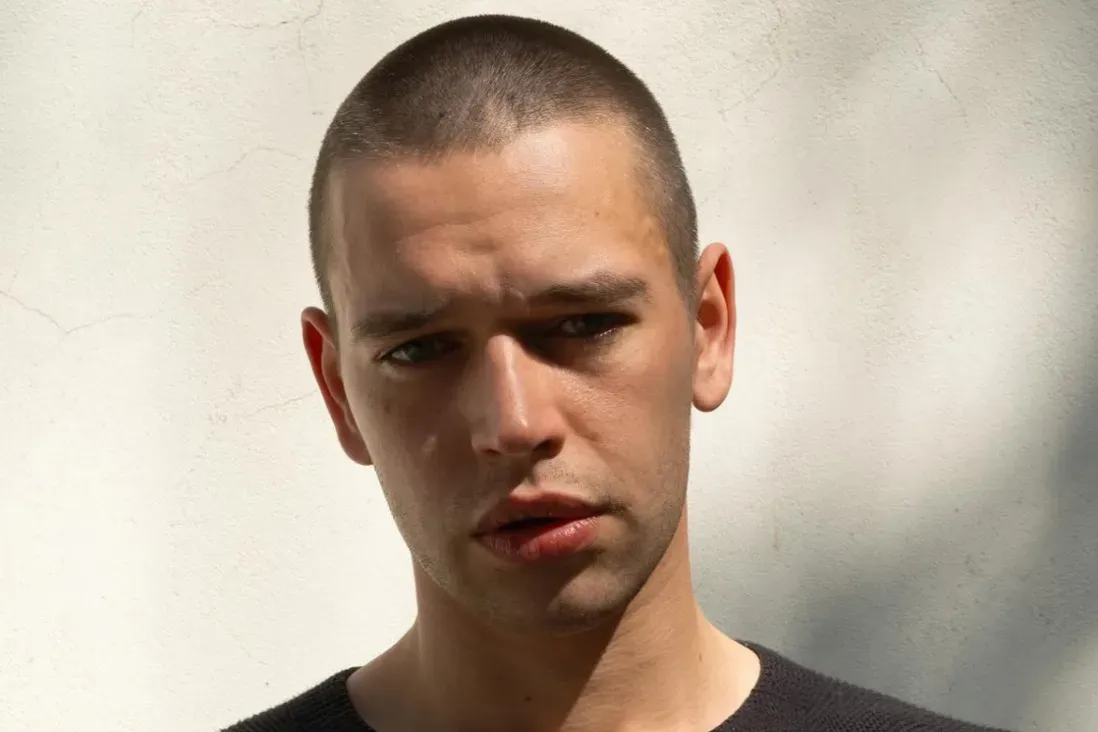
Starfleet Academy names newcomer Ruaridh Aldington a Season 2 series regular
At San Diego Comic-Con's Star Trek 60th anniversary panel, Aldington joins as Keats, a high-stakes mystery for the cadets.
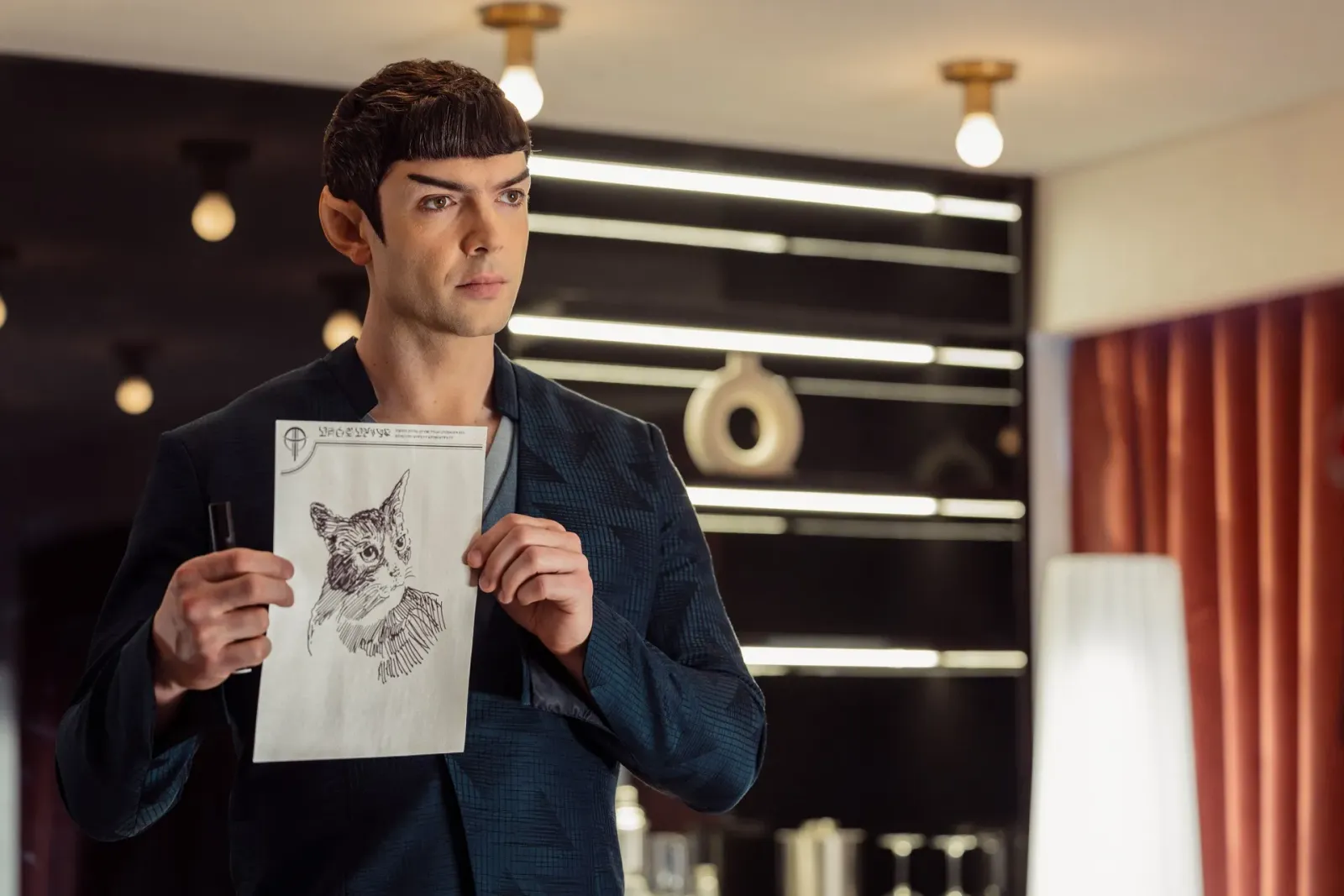
Akiva Goldsman drops Strange New Worlds Season 4 timing: weekly until Sept. 24
Star Trek’s co-showrunner uses Comic-Con to lock in the release calendar for Paramount+ Season 4.
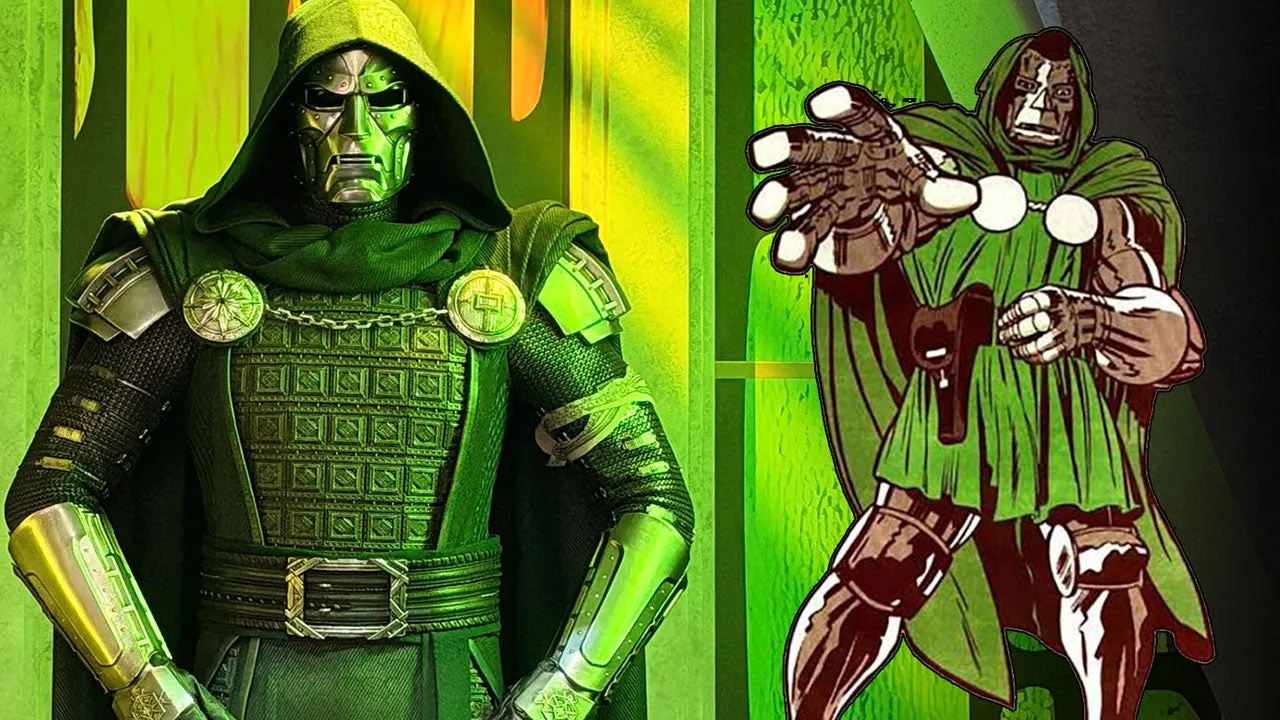
Marvel’s Avengers: Doomsday Doom armor stays faithful to comics, but adds samurai-style upgrades
A fresh look at Robert Downey Jr. as Victor von Doom at Comic-Con shows what Marvel kept, changed, and why it matters.