
Etsy bans AI-generated recipes and patterns, demands human involvement in listings
The marketplace's new AI policy targets automated listings and AI-created content, signaling a broader crackdown on generative AI in e-commerce.
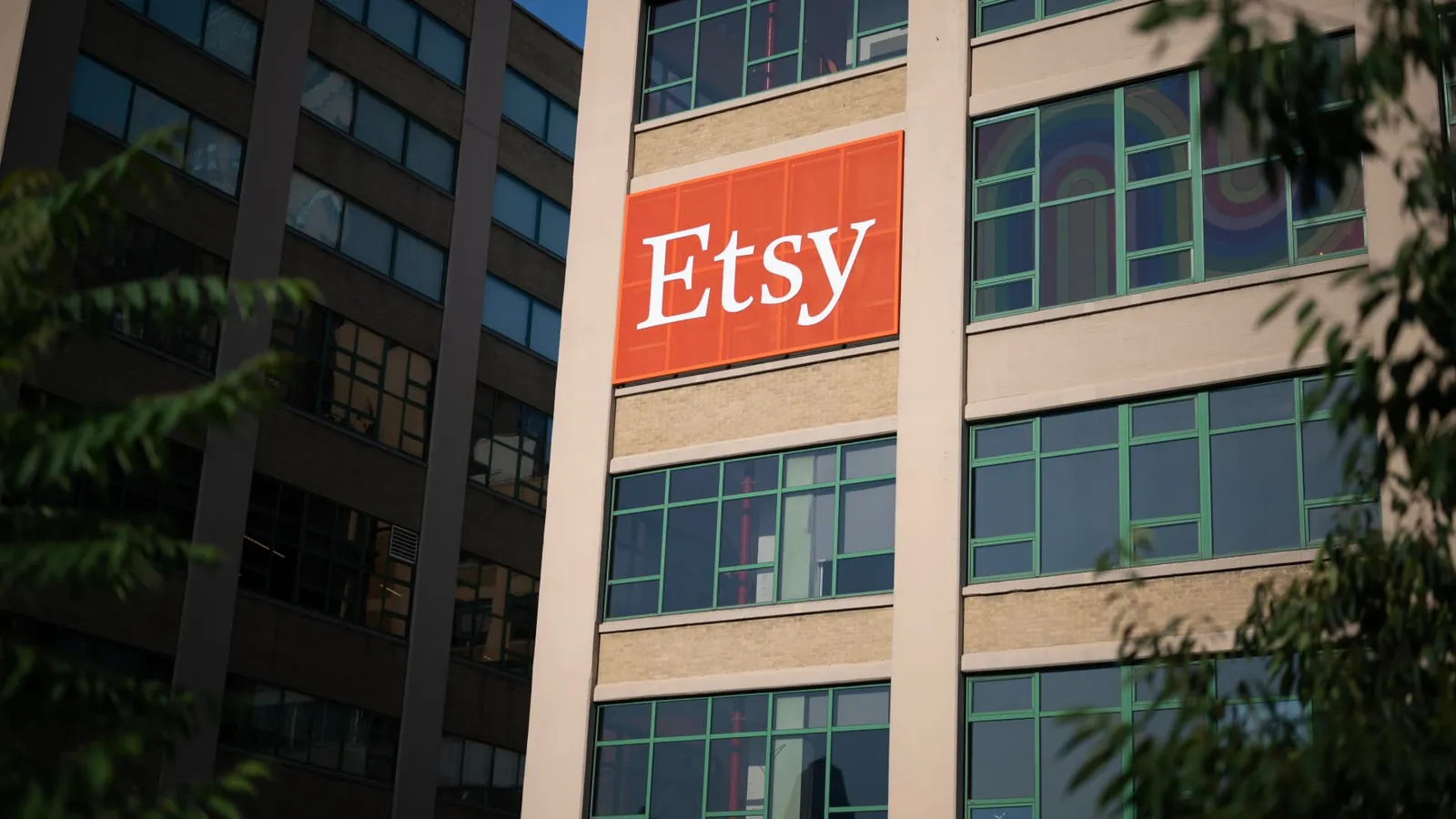
Etsy announced it is banning AI-generated recipes and patterns and barring sellers from creating bot-generated listings without human involvement. The move signals a tightening of AI governance in online marketplaces, forcing sellers to disclose and limit automation.
Etsy is drawing a line in the sand on AI. The online marketplace has banned AI-generated recipes and patterns from its platform and barred sellers from creating bot-generated listings without any human involvement, according to CNBC. The policy update, which also includes clearer rules around AI usage, marks one of the most explicit stances yet by a major e-commerce player on the role of generative AI in its marketplace.
For the millions of sellers who rely on Etsy to sell handmade goods, digital downloads, and craft supplies, the new rules are a direct answer to a growing problem: a flood of AI-generated content that threatens to dilute the platform's core promise of authenticity. By requiring human involvement in listings, Etsy is effectively telling sellers that automation can assist but not replace the creative and curatorial work that defines its brand. This is not just about recipes and patterns; it is about the very definition of what it means to be a seller on Etsy.
The ban specifically targets two categories that have become hotspots for AI-generated content: recipes and patterns. These are typically sold as digital files, making them easy to produce in bulk with tools like ChatGPT or Midjourney. For a platform built on the idea of human craftsmanship, the proliferation of AI-made products posed an existential risk: if anyone can generate a knitting pattern or a sourdough recipe in seconds, what distinguishes an Etsy seller from a bot?
Etsy's move is part of a broader reckoning across online platforms over how to handle generative AI. Marketplaces like Amazon and eBay have grappled with AI-written product descriptions and AI-generated images, while content platforms like YouTube and Spotify have introduced rules requiring disclosure of AI-generated material. Etsy's approach goes a step further by outright banning certain categories of AI output, signaling that some products are inherently tied to human authorship.
The policy also addresses the backend of the marketplace: bot-generated listings. Sellers can no longer use automated tools to create listings without a human in the loop. This is a direct response to the rise of 'AI sellers' who use scripts to mass-post products, often with low-quality or misleading descriptions. By requiring human involvement, Etsy is trying to preserve the quality of its search results and the trust of its buyers, who may not realize they are purchasing from an automated pipeline.
For sellers, the new rules create both compliance costs and strategic opportunities. Those who have invested in AI tools to streamline their operations will need to ensure that a human reviews and approves every listing. That could slow down high-volume sellers, but it also raises the barrier to entry for spammy competitors. For buyers, the policy is a signal that Etsy is willing to sacrifice some supply growth to protect the platform's reputation for authenticity. The policy also creates a clear audit trail for Etsy, which can now more easily identify sellers who are using automation to scale without oversight.
The implications extend beyond Etsy. Other marketplaces and platforms that rely on user-generated content will be watching closely. If Etsy's ban succeeds in restoring buyer trust and reducing spam, it could become a template for how to regulate AI in commerce. Conversely, if it drives sellers to other platforms or sparks a backlash from AI enthusiasts, it could serve as a cautionary tale. The key tension is between efficiency and authenticity, and Etsy has chosen authenticity. The outcome will also depend on how buyers respond to the trade-off between convenience and authenticity.
For executives and boards across e-commerce, the lesson is clear: AI governance is no longer a theoretical exercise. Platforms must decide where to draw the line between human and machine creativity, and those decisions will shape their competitive position. Etsy's move is a bet that buyers will pay a premium for the human touch, and that bet is now a policy. For now, Etsy has clearly placed its bet, and the market will decide if it pays off.
This story's Key Insights and Take-aways are locked.
Create a free account to unlock Executive Actions for one credit.
Register to UnlockAlways free for Executives Club members. Join the Club
More in Technology

AI turns 2024 PHP flaw into live threat: 70% of websites exposed
A decade of PHP versions is vulnerable, and governments already pulled sites offline. Here's what to patch now.

Switch 2 jailbreak: SmileBasic integer overflow unlocks homebrew
A software-only exploit gives researchers userland access to Nintendo's new console, opening the door to mods, backups, and reverse engineering.

Meta ad revenue slows after EU gives users a privacy choice
Europe's Less-Personalized Ads model, live since the start of the year, is now showing up in Meta's earnings - and it is a warning shot for every business built on targeted advertising.