

Europe’s defense plans now hinge on Kyiv as America pulls back
With U.S. retrenchment reshaping security assumptions, Europeans are quietly rebuilding their future around Ukraine.

Europeans are gaming out their future defense, and the outcome is inseparable from Ukraine. For decision-makers, that means planning, procurement, and risk models must treat Kyiv as a central variable, not an external factor.
Europeans are gaming out their future defense, and it’s unthinkable without Kyiv. That is the blunt reality sitting under European defense planning right now: when the baseline changes, everything downstream changes with it, from what gets bought to where governments think resilience must come from.
The starting point is not abstract geopolitics. It is the simple operational question Europe has to answer: if America is in retreat, what security architecture fills the gap? For many European capitals, the answer does not land neatly in a single procurement line item. Instead, it lands in Ukraine. Without Ukraine, the future defense picture Europe is trying to assemble becomes harder to justify, harder to resource, and harder to coordinate. The reason matters for executives and boards because it turns “foreign policy” into “system design” for national security.
Defense planning in Europe is already the kind of exercise where assumptions can quietly become budgets. Governments typically have to balance long timelines, industrial capacity constraints, alliance coordination, and political cycles. When the U.S. posture shifts, those constraints re-rank fast. Programs that assumed steady U.S. support can look less confident. Capability gaps that were previously manageable can become existential. And industrial strategy, which often treats defense as a heavy, multi-year bet, has to revise what “must be scalable” means.
This is why Kyiv is not just a moral or diplomatic center of gravity in European thinking. It becomes a dependency in how European leaders model deterrence and warfighting capacity. Ukraine is where the contest is visible, where tactics and operational realities are learned under stress, and where the limits and strengths of equipment, training, and logistics show up quickly. Even if the exact outcomes cannot be predicted in boardroom language, the informational value is immediate. That informational value then feeds back into procurement decisions and readiness planning.
There is also a regulatory and institutional layer that executives often miss when they focus only on tanks and missiles. Defense procurement in Europe is shaped by rules, national authorities, and the bureaucratic realities of contracting. Any time the strategic baseline shifts, compliance timelines and contracting frameworks can collide with urgency. That means European governments have to decide how to sequence approvals, standardize requirements across partners, and align defense industries that do not always share incentives. When the plan depends on Ukraine, those administrative and industrial questions become even more sensitive. Speed matters, but so does legitimacy and procurement integrity.
Second-order effects cascade into capital allocation. Defense contractors, industrial suppliers, and logistics firms read these signals because defense planning drives demand visibility. Even when contracts are national, European defense planning can influence what buyers prioritize, which suppliers invest in capacity, and which firms position for future orders. Boards at companies exposed to European defense spend tend to watch not only current orders, but the strategic logic behind them. If Europeans treat Ukraine as unthinkable to exclude, it implies that the demand shape is likely to remain tied to security outcomes rather than tidy product cycles.
For decision-makers across industries, the strategic stake is that Europe is changing its internal risk models. The core lesson from this moment is that “America in retreat” does not just alter alliances. It alters the internal assumptions that drive procurement timelines, production planning, and government-industry coordination. In practical terms, it pushes European planning toward scenarios where Ukraine is a continuing determinant of stability. That is a different way of underwriting the future, and it changes what leaders will ask for in the next budget cycle.
In the end, this is why the article’s framing hits. It is not simply that Europe supports Ukraine. It is that Europe’s future defense depends on it. And if you lead a company, sit on a board, or run public strategy, you should treat Ukraine as a variable that can rewire planning across borders, even when the purchasing authority remains national. Europe is gaming out the future defense environment now, and it is unthinkable without Kyiv.
This story's Key Insights and Take-aways are locked.
Create a free account to unlock Executive Actions for one credit.
Register to UnlockAlways free for Executives Club members. Join the Club
More in Politics

Kemi Badenoch says Andy Burnham’s Britain ambitions are “too small” after business rates cut
A business rates change for pubs and clubs triggers a sharper Conservative-versus-Labour fight over who is backing growth.

Trump pushes tariffs again after legal defeats, sparking GOP unease
Despite losing court fights, the administration moves forward, leaving Republicans to manage the political and market fallout.
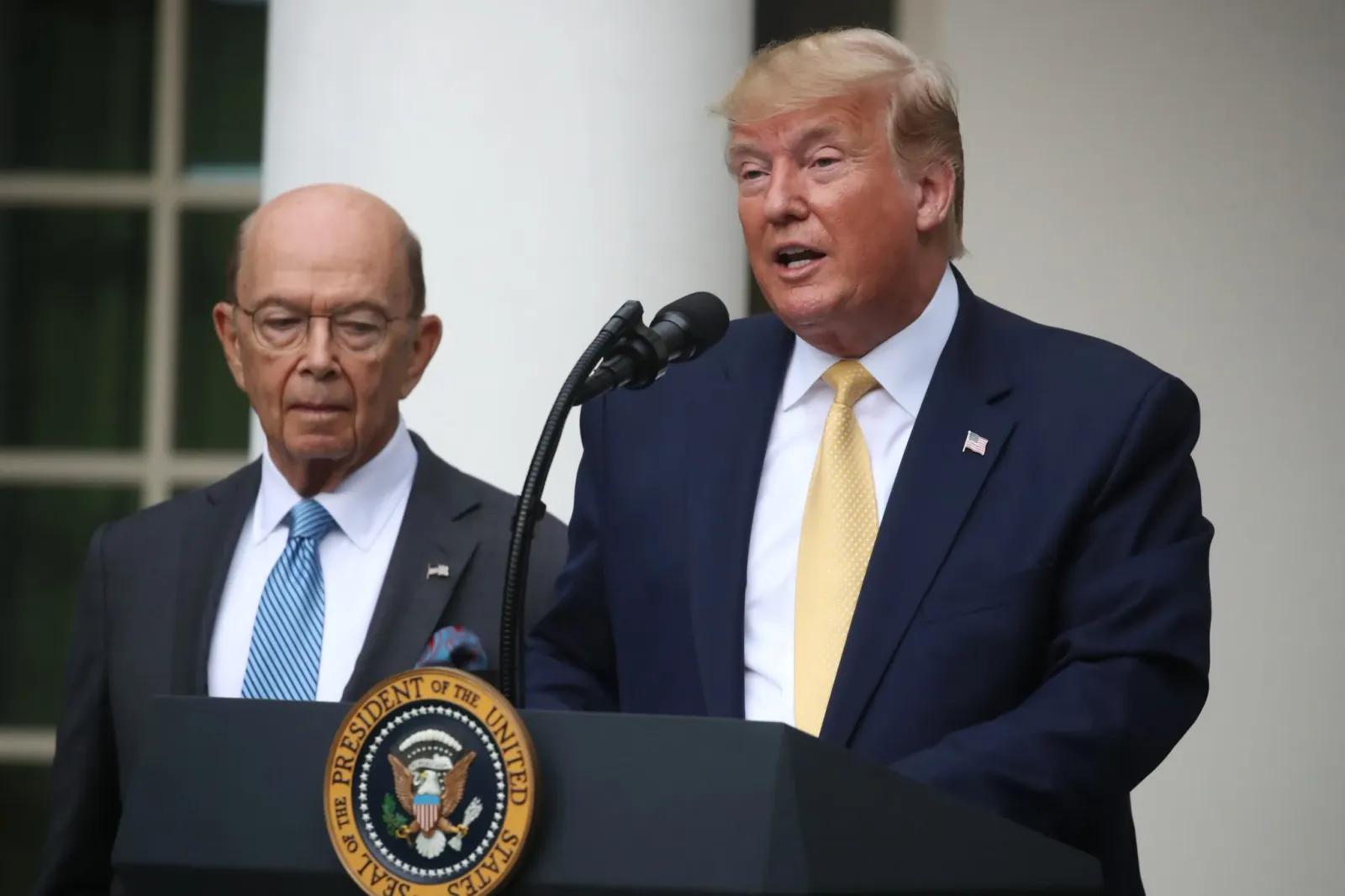
Wilbur Ross warns Trump’s Iran exit is a midterms lose-lose: oil prices or “weak” withdrawal
The former commerce secretary tells Fortune the Strait of Hormuz is where voters decide whether “peace” is believable.