

Evergrande liquidators plan first payout: creditors get under 1%
The first distribution in the landmark liquidation signals a near-total wipeout for everyone holding Chinese property credit.
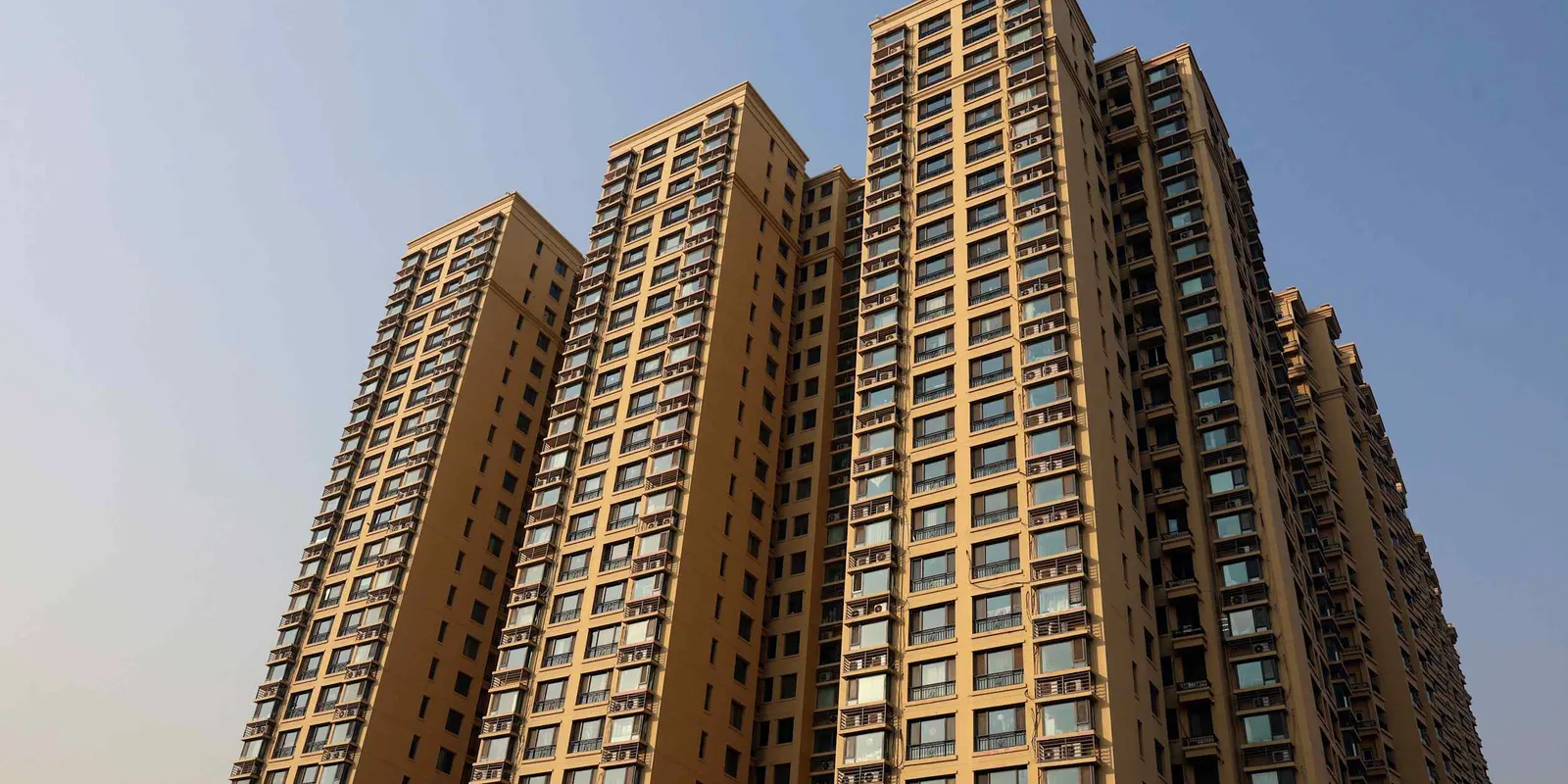
Liquidators for China Evergrande Group are preparing their first payout to creditors, with recovered claims under 1%. The tiny recovery rate will force bondholders, suppliers, and boards across Asia to reprice the risk of Chinese property credit.
The liquidators running China Evergrande Group's insolvency are ready to release their first payment to creditors, but the money on the table represents under 1% of verified claims, according to Nikkei Asia. Let that number sit for a moment: a creditor owed $100 can expect less than $1 back in this initial distribution. It is the clearest possible confirmation of a near-total wipeout for those who lent to the developer.
The under-1% recovery rate is the striking figure behind a milestone that might otherwise sound like good news. Yes, liquidators are finally paying out, which marks progress in one of the most complicated corporate collapses of the past decade. But the size of the payment shows how much of Evergrande's value was consumed by debt, lost to falling property prices, or simply gone. This is not a recovery. It is an epilogue.
For context, Evergrande was once one of China's biggest property developers, riding a boom built on borrowed money. Its debt-funded expansion was not unique; mainland developers routinely used pre-sales and short-term borrowings to roll projects forward. When Beijing's property crackdown and a changing demographic picture started to cool demand, the refinancing engine stopped, prices softened, and a spiral of defaults began. Evergrande became the largest and most visible demonstration of that systemic reversal.
The liquidation process is brutal in its arithmetic. Creditors' claims cover an extraordinarily wide range: listed bonds held by global asset managers, bank loans, unpaid contractors, and deposits from homebuyers who bought apartments that were never delivered. When a company enters court-supervised liquidation, the ranking of claims and the value of remaining assets decide who gets paid first. The under-1% figure suggests secured creditors have already taken most of what remained, leaving the rest competing for scraps.
Recovery rates in cross-border insolvencies historically land on the low end because assets sit across different legal systems, and Evergrande's footprint was never limited to mainland China. Projects, financing vehicles, and operating companies were spread across jurisdictions, making it slow and costly to gather whatever could be sold. Add a falling property market, and the pool of recoverable assets shrinks faster than administrators can monetize it. The result is a first payment that looks symbolic rather than substantial.
The first payout has symbolic force beyond its size. It sets the expectation for other distressed Chinese developers that are trying to restructure outside court. Creditors watching Evergrande's process now have a benchmark: even after years of legal work and a high-profile liquidation, actual recovery can be negligible. The court process no longer looks like a route to preservation; it looks like a route to formalized loss.
For CFOs, credit committees, and institutional investors, the strategic takeaway is brutal but direct. The cost of capital in Chinese property cannot be priced off yield to maturity. It has to be priced off expected recovery. Evergrande's first payout, with under 1% of claims recovered, offers an unusually clean reference point. Any decision-maker holding Chinese real-estate exposure should treat high yields as compensation for risk, not as a source of reliable returns. The downside case is no longer theoretical; it is now documented in the world's most-watched liquidation.
Evergrande's liquidators will likely keep pursuing asset sales and legal claims for years, so this first distribution is not the last. But the total outcome is already visible at the order of magnitude. Under 1% of claims recovered in the landmark payout tells the market exactly where this chapter ends: a name that once moved markets every day is now a case study in what happens when liquidity disappears faster than liabilities and hope is expensive.
This story's Key Insights and Take-aways are locked.
Create a free account to unlock Executive Actions for one credit.
Register to UnlockAlways free for Executives Club members. Join the Club
More in Business

A flaw in PHP just forced governments to pull their own sites offline
European agencies from Belgium to Germany took websites dark to patch a critical weakness in the language behind almost 70% of the web, and the blast radius extends far beyond government portals.

BioWare shuts down, Mass Effect 5 dead after $55B EA buyout
The legendary RPG studio's closure lands months after a $55 billion investment group buyout of EA, raising tough questions for gaming's biggest acquirers.

Musk barred from the room as Tesla, SpaceX boards weigh $3.5 trillion merger
The CEO of both companies is a 'conflicted party' watching independent directors negotiate a tie-up that would create a $3.5 trillion giant he would own about a third of.