
FAA proposes June 30, 2026 rules to allow “quiet” supersonic flights over US cities
A proposed noise-based limit would replace the 53-year overland supersonic ban, but only if sonic boom pressure stays under 0.11 psf.
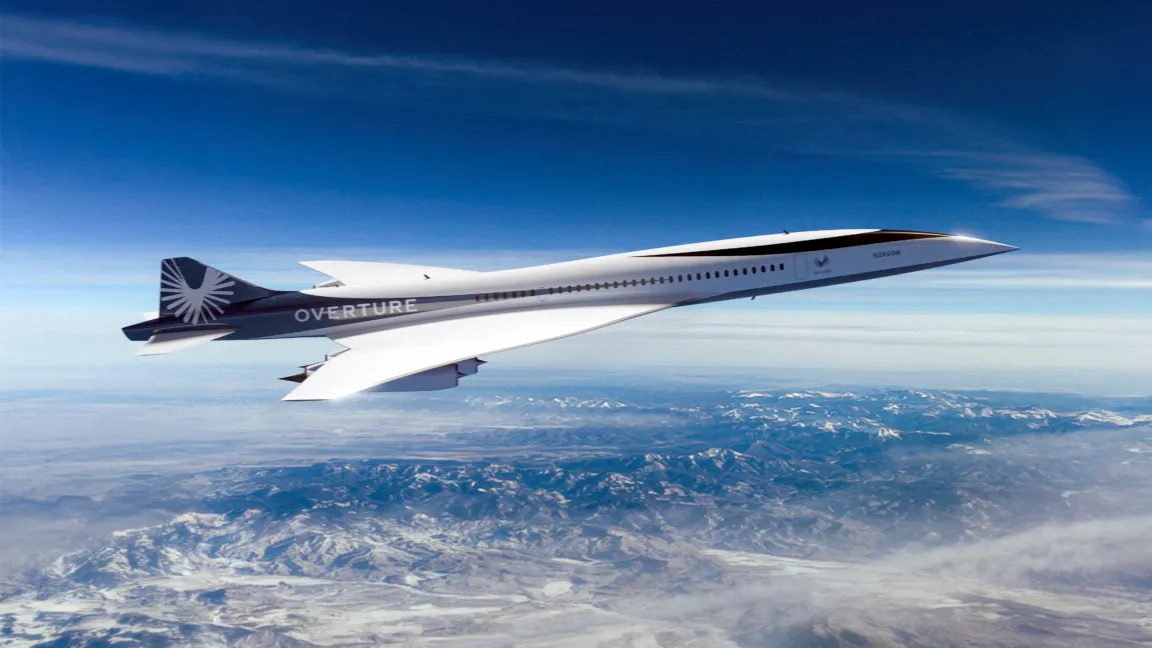
The FAA is proposing a new rule on June 30, 2026 that would replace the 53-year prohibition on civil supersonic flights over the US. The proposal hinges on a “noise-based” certification standard and draws on Boom Supersonic’s XB-1 quiet Mach cutoff demonstrations.
The FAA just took a long-rumored step toward making supersonic passenger flights over US cities plausible again. On June 30, 2026, the agency plans to replace the long-standing ban on overland supersonic flights with an interim “noise-based” certification standard, centered on how strong a sonic boom is at the surface.
At the heart of the proposal is a specific limit: any sonic boom overpressure at the surface must be kept below 0.11 pounds per square foot. In other words, the question is no longer “can you go supersonic over land?” It becomes “can you do it while keeping ground-level shock impacts under a measurable threshold?” That is a very different regulatory game, and it matters because it would open a path for supersonic airliners to operate without the disruptive sonic boom that helped justify the original prohibition.
To understand why this is a big deal, you have to rewind to how the ban started. The FAA originally banned overland supersonic flights by civil aircraft in 1973, after US military tests involving supersonic flights over US cities including Oklahoma City, Chicago, and St. Louis in the 1960s. That history matters because the existing rule was built around societal and practical concerns about what people on the ground would experience.
Now, the Trump administration has championed repealing the ban to pave the way for supersonic airliners that could operate without disruptive sonic booms. The FAA’s new rulemaking action on June 30, 2026 follows that direction, after an executive order from President Trump issued on June 6, 2025. For executives and boards, that sequencing is telling: this is not a slow, purely technical standards update. It is policy momentum converted into regulatory text, with a clear intent to unlock supersonic commercialization.
The proposed interim standard is also tightly connected to a technology story, not just a paperwork one. The source ties the 0.11 pounds per square foot approach to Colorado-based startup Boom Supersonic, noting that it has demonstrated quiet Mach cutoff flights with its XB-1 aircraft. The underlying concept matters: Boom’s demonstrations harness specific atmospheric conditions while flying just beyond supersonic speeds at higher altitudes. The goal is for the aircraft’s shockwaves to be refracted upward into the atmosphere rather than traveling to the ground as a conventional, disruptive boom.
That technical mechanism is why this becomes a board-level risk and opportunity question. Quiet supersonic, as described here, is not portrayed as “sound disappears.” It is portrayed as a certification target that depends on achieving a particular outcome for sonic boom overpressure at the surface. Which means the compliance challenge is likely to involve repeated performance in the real world of weather, altitudes, and flight profiles, not just one-off test conditions. If the standard is met, the regulatory barrier to overland operations could drop. If it is not met consistently, the ban replacement becomes a stalled promise instead of a launchpad.
There are also market and competition implications underneath the regulatory headline. Supersonic airliners, if allowed overland, changes route economics and network design because airports and overflight constraints can be the difference between an idea and a schedule. A shift from a blanket prohibition toward a measurable noise-based threshold can reshape what counts as “feasible operations” for investors, airlines, and suppliers. In plain terms: when regulators stop banning outcomes and start certifying measurable limits, companies that can build to those limits get to scale, while others get stuck in prototype land.
Finally, there is the strategic signaling element. This proposed rule does not just affect one company. It establishes a template for how the FAA might handle the next wave of supersonic development, using certification standards tied to physical impacts rather than a blanket rule. For any executive tracking aerospace, mobility, or advanced manufacturing, it is a reminder that the fastest way to regulatory change is not only engineering progress, but also alignment between political direction, measurable test evidence, and an enforceable standard that regulators can apply.
This story's Key Insights and Take-aways are locked.
Create a free account to unlock Executive Actions for one credit.
Register to UnlockAlways free for Executives Club members. Join the Club
More in Technology

Nvidia's $89B data center quarter: the 9 companies cashing in
The AI buildout is minting fortunes beyond GPUs, and memory, cloud, and cooling suppliers are riding the same wave.

Google quietly links your phone number to every Android account on your SIM
Adding a SIM now ties your phone number to all Google accounts - and future accounts inherit it. Here's the security and privacy stakes.

Hijacker AI 'Skynet mode' runs 100,000 attack steps against exposed models
Symantec caught a criminal AI agent that borrows other models, steals data, and mines crypto; the only relief is no confirmed victims yet.