
Famke Janssen says Marvel “made a mistake” excluding her from Avengers: Doomsday
With the Dec. 18 release locked in, the X-Men actor calls out what it means for legacy cast returns and brand trust.
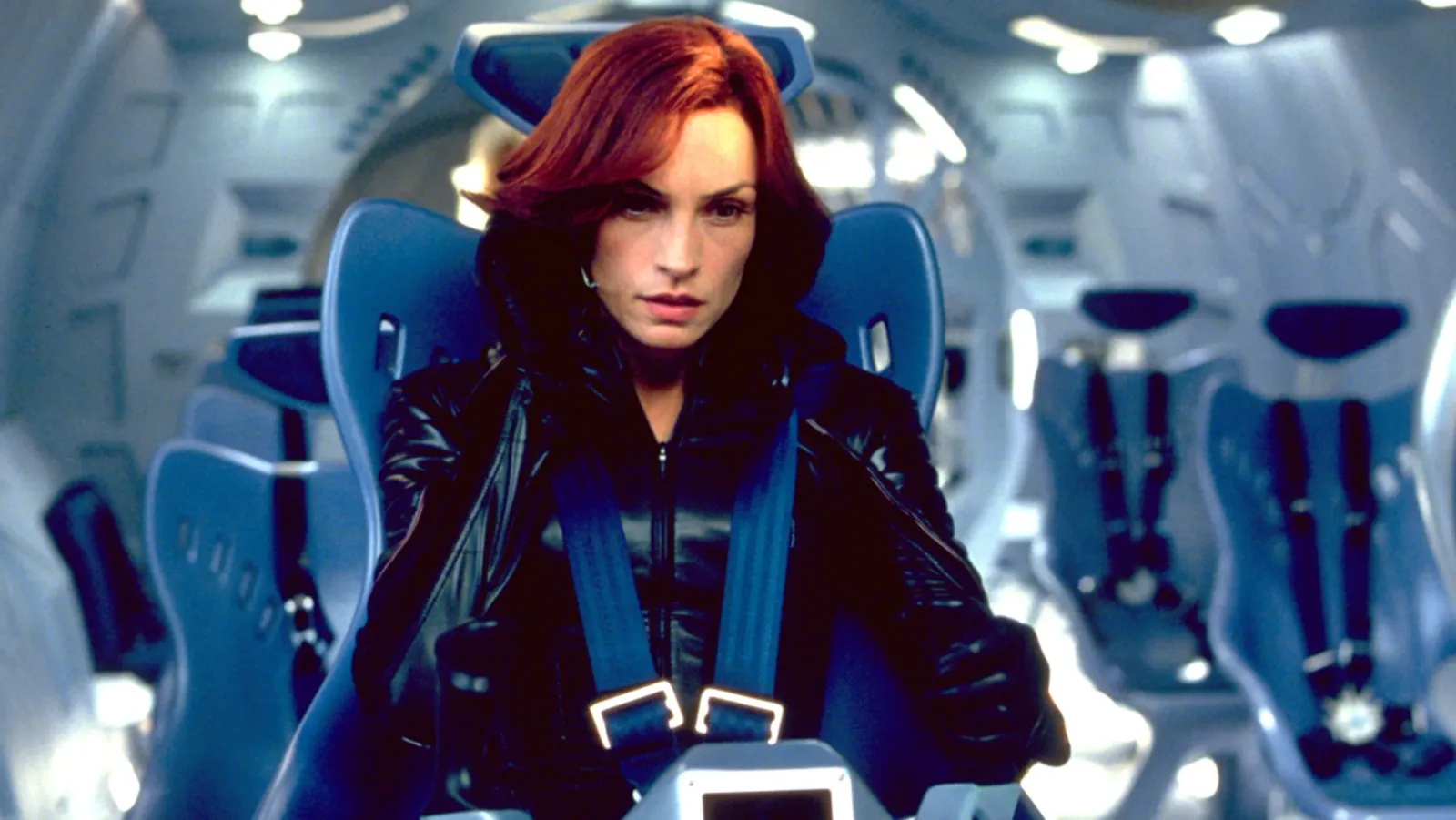
Famke Janssen, who played Jean Grey/Phoenix in Marvels X-Men franchise, said Marvel Studios “made a mistake” by not bringing her back for Avengers: Doomsday, premiering Dec. 18. The consequence is a live test of how Marvel manages legacy characters, fan expectations, and the reputational risk of “who gets invited back” decisions.
Famke Janssen is essentially arguing that Marvel Studios got a basic casting decision wrong. The actress, known for playing Jean Grey/Phoenix in the X-Men franchise, recently said Marvel Studios “made a mistake” not bringing her back for Avengers: Doomsday. The movie is scheduled to premiere Dec. 18, even as several of her former co-stars are returning.
That contrast is doing a lot of work. Janssen is not just saying she wants to be in the film, she is pointing to an uneven reunion dynamic: some familiar faces are back, but she is not. For decision-makers watching from the sidelines, it is a reminder that brand building is not only about what a studio adds, it is also about what it leaves out, and how that omission lands with the people who already carry audience trust.
To understand why this kind of statement matters, zoom out to how big franchise ecosystems actually run. Marvel is not a typical film studio. It is a long-running narrative platform where character equity and audience habit form over years. When an actor has played a major role in a foundational property like the X-Men franchise, their presence functions like a signaling mechanism to fans: the studio is acknowledging the legacy, continuing the thread, and respecting the memory of the IP.
So when a high-profile legacy performer claims a “made a mistake” moment, that is not just entertainment gossip. It is a reputational stress test. Even if Janssen is expressing personal dissatisfaction, the underlying operational question is real: what internal criteria determine who returns for the next installment? Studios typically juggle scheduling, creative direction, contractual terms, and story needs. But the public pattern matters too. If audiences see a partial reunion, they start inferring that something else is driving the choice, whether it is availability, negotiation leverage, or creative constraints.
This is where incentives and stakeholders collide. Marvel Studios sits inside Disney’s broader corporate structure, but it behaves like a narrative operator with multiple competing priorities. The studio has to land a cohesive story for a giant tentpole release, while also maintaining continuity across separate legacy franchises. The better the coordination, the fewer “why not them?” moments leak out during the hype cycle.
Janssens comment also lands in a modern media environment that amplifies fragments. A single quote can become a storyline. And once it does, it invites speculation. People begin connecting the dots between casting decisions and fan sentiment, even when no one has offered official reasons. For executives, that means the cost of silence can be real. Not because every actor must be addressed publicly, but because uncertainty becomes its own narrative asset for commentators and fans.
There is also a talent-management angle. When “former co-stars” are returning, the non-returners gain a new kind of visibility. The absence itself creates a storyline, and Janssen has now supplied a ready-made interpretation: Marvel Studios “made a mistake.” In business terms, that is a signal that the actor’s relationship to the franchise remains strong enough for her to publicly critique it. That can affect future negotiations, even if the immediate story is about a single film.
For peers running comparable brands, the second-order implication is simple and uncomfortable. Legacy equity is expensive, but poorly handled legacy equity can be more expensive. When a key figure in a foundational role signals exclusion, it can turn into a proxy debate about studio decision-making quality. That does not change the Dec. 18 premiere date, but it can influence how audiences discuss the film before it arrives, and how confidently they assume the studio understands its own history.
Bottom line: Avengers: Doomsday is still headed to theaters on Dec. 18. But Famke Janssen’s “made a mistake” claim, plus the fact that several former co-stars are returning while she is not, highlights a high-stakes truth about franchise leadership. Audience trust is built in the casting room as much as the writer’s room. And for any executive managing legacy properties, that is the kind of detail that eventually becomes strategy.
This story's Key Insights and Take-aways are locked.
Create a free account to unlock Executive Actions for one credit.
Register to UnlockAlways free for Executives Club members. Join the Club
More in Entertainment
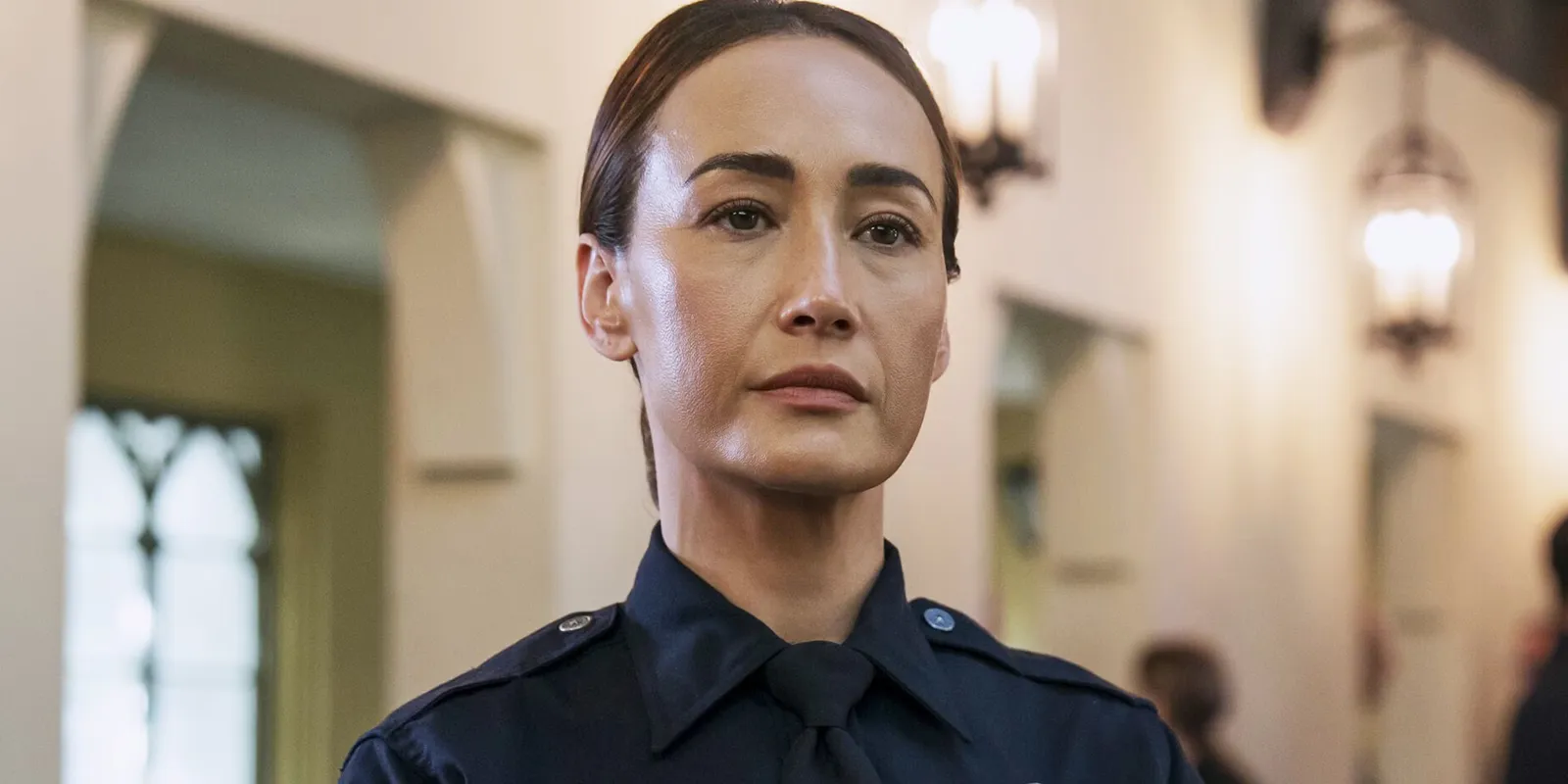
Prime Video’s Ballard hands Maggie Q the lead, and the detective thriller is already expanding
A standalone spin-off of Bosch turns toxic-masculinity scrutiny into a case you can’t stop watching.

Saibari scores in 71 seconds as Morocco beat Scotland 1-0 and close in
Morocco take another step toward the knockout rounds while Scotland’s late push comes up empty at Boston Stadium.

SAG-AFTRA’s First Act stars demand AI-era “something new” amid Gen Z pressure
Actors from The Pitt, Obsession, and more describe how expectations are shifting and how they protect creative momentum.