

Final Fantasy VII Revelation lands in spring 2027 on PC, PS5, Xbox, and Switch 2
Square Enix confirms the trilogy finale and teases Highwind flying, playable Vincent and Cid, Weapons, and Wutai.
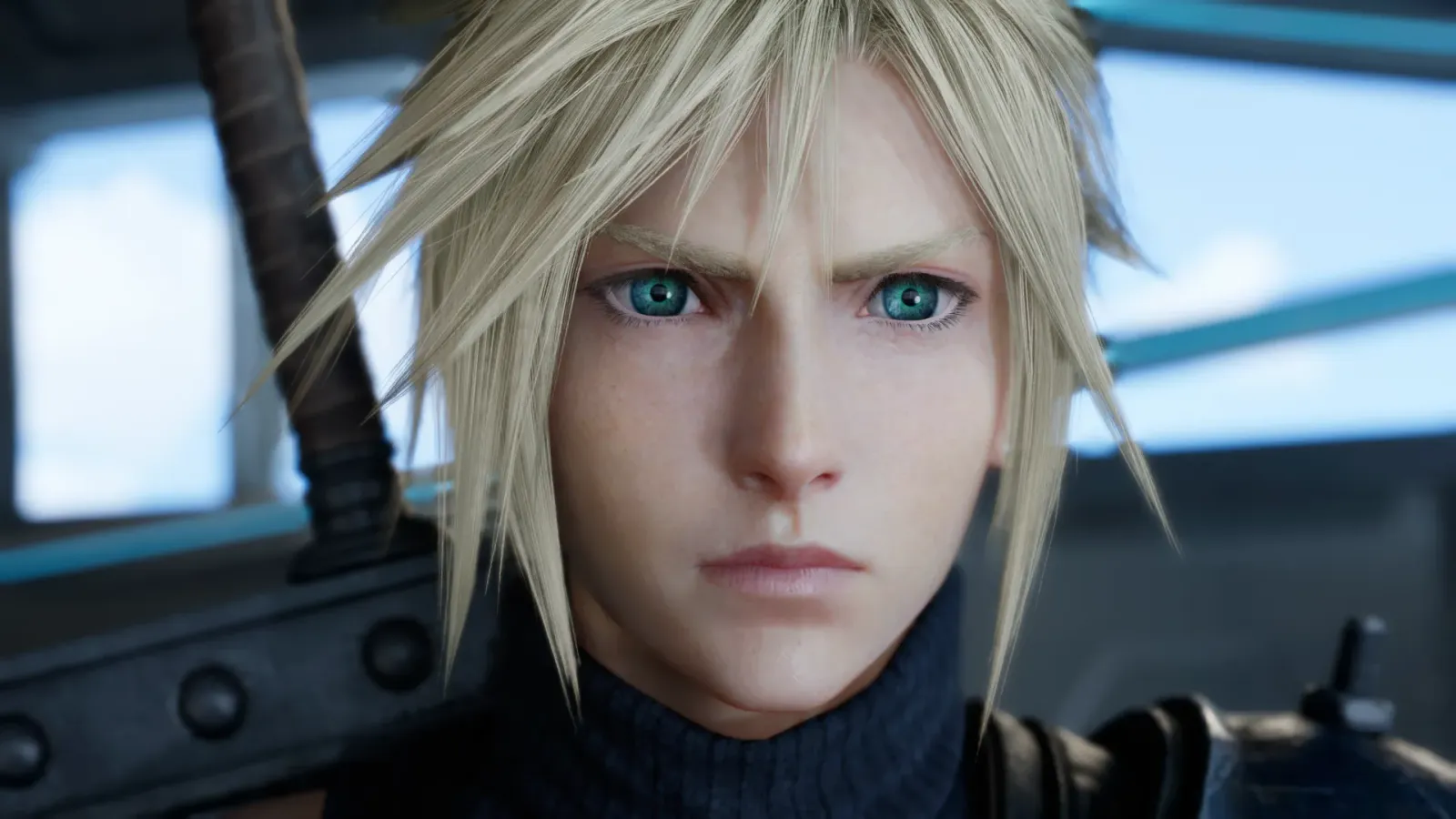
Square Enix officially announced Final Fantasy VII Revelation, the third and final entry in its Final Fantasy VII remake trilogy. It will release in spring 2027 on PC, PS5, Xbox Series X/S, and Nintendo Switch 2, with new footage highlighting major gameplay beats and fan-favorite locations.
Square Enix just locked in the ending for its Final Fantasy VII remake trilogy: Final Fantasy VII Revelation. The company says it will release in spring 2027 on PC, PS5, Xbox Series X/S, and Nintendo Switch 2 all at once, and it showed onstage footage at Summer Game Fest Live with a lot of specifics to chew on.
The reveal does not treat this like a quiet epilogue. The footage highlighted flying the Highwind airship, jumping off it to land in the game’s open world, playing as Vincent Valentine and Cid Highwind in battle, and taking on gigantic Weapons. It also points to revisiting places from the original game, including Wutai, plus a character customization system where you can dress up your characters with armor. That is a full bundle of “this is the finale, and we mean it” moments, not a vague tease.
For decision-makers in games, this kind of multi-platform, simultaneous launch is not just a fan-service headline. It is a planning and risk-management statement. Simultaneous releases across PC, PlayStation 5, Xbox Series X/S, and Nintendo Switch 2 force the development, QA, performance, and content-compatibility work into one tighter timeline. When a publisher goes broad on day one, it is effectively choosing distribution reach over staggered experimentation, and it puts more pressure on production discipline.
There is also a product strategy angle to how Revelation positions itself relative to the earlier trilogy entry mentioned in the coverage. The footage indicates you can play as Vincent Valentine and Cid Highwind in battle, and it explicitly notes that these characters “weren’t playable in Rebirth.” That is meaningful for franchise retention. Players who bounced off Rebirth’s playable roster now have clear reasons to come back for the third game, while long-time fans get a stronger payoff for character inclusion. In other words, Square Enix is using the finale to close gaps in player experience, not just expand the story.
The Highwind airship detail is another signal. Flying an airship and then jumping off to land in the open world is a design choice that has second-order effects on everything around it: traversal pacing, encounter frequency, fast travel design, and even how the team structures world density. The coverage frames this as a core gameplay beat, and you can read it as a commitment to giving players more freedom to move through spaces like Wutai, rather than treating locations as discrete chapters.
Then there are the Weapons. The original Final Fantasy VII is loaded with the idea of escalating threats, and the remake trilogy has leaned into that “bigger, stranger, tougher” escalation across installments. Here, Revelation’s footage spotlights “gigantic Weapons,” which is basically a guarantee that the endgame systems will have to handle spectacle without collapsing under technical or gameplay complexity. For boards and investors, that matters because endgame performance and balance are where reviews can harden into consensus. If the finale underdelivers on boss spectacle or stability, the downside is not subtle.
Finally, consider what this announcement implies for capital planning and audience expectations for the broader market. A spring 2027 release gives competitors time to map their own schedules, but it also locks in a major franchise event for players who plan their spending around must-play titles. When a publisher signals “final game” status, it can concentrate demand rather than spread it out across multiple years. That concentration can help sales and engagement, but it also increases scrutiny. In a multi-platform world, that scrutiny gets louder because issues and performance gaps are easier to compare across PC, PS5, Xbox Series X/S, and Switch 2.
So for executives watching the space, Revelation is a case study in how publishers turn a trilogy finale into an operational and commercial bet. Square Enix is saying the trilogy ends in spring 2027, across four platform ecosystems at the same time, with specific gameplay promises: Highwind traversal into an open world, playable Vincent Valentine and Cid Highwind in battle, challenges against gigantic Weapons, and returns to original-game places like Wutai, plus armor-based dressing. The strategic stakes are simple: if you are building your own franchise roadmap, you now have a clear marker for how Square Enix intends to land the plane. In this industry, the landing is the whole story.
This story's Key Insights and Take-aways are locked.
Create a free account to unlock Executive Actions for one credit.
Register to UnlockAlways free for Executives Club members. Join the Club
More in Technology

OpenAI says 10,000 agents cracked a 90-year math problem in 88 hours
The company's claim is audacious, but one mathematician is pushing back. Here's what it means for AI-driven discovery.

Meta still serves child sexual abuse ads on Instagram in India - BBC report
A new report following the BBC Eye investigation says the ads are still there - what it signals for every platform with a self-serve ad engine.

White House yanks 'Build the Wall' game after Tetris Company copyright warning
The administration's arcade game vanished in hours - and the takedown playbook every brand can learn from.