

Five 2026 breakthrough performances are already Oscar contenders, as voters loosen old rules
IndieWire flags five standout performances making Oscar buzz early, and explains why changing voter habits shift winners and risks.

IndieWire points to five performances from 2026 (so far) that show Oscar potential, as voters move past long-held hang-ups like genre and release timing. For decision-makers, that shift changes how studios, actors, and campaign teams allocate attention and resources this awards season.
IndieWire starts with a simple observation that has big consequences for anyone trying to predict (or manufacture) Oscar momentum: voters are steadily freeing themselves from long-held hang-ups like genre and release date. And because of that, a handful of performers in 2026 are already starting to look like real contenders, not just hopeful names for future consideration.
That is the whole point of the article’s framing. Instead of treating awards as a rigid machine where “serious” categories, specific release windows, and expected genres do most of the heavy lifting, the voters are showing a willingness to separate craft from convention. IndieWire’s “Five Performances of 2026 (So Far) That Have Oscar Potential” is essentially a status update on where that new flexibility is landing: with certain actors whose work is already coming into focus. The subtext for leaders in film and talent management is that the runway to recognition is no longer limited to whatever tradition says should count.
To understand why this matters, zoom out to how the awards pipeline usually works. Studios and filmmakers do not just make movies. They also engineer timing, optics, and narrative fit for how awards voters are trained to think. Release date can be a proxy for urgency and visibility. Genre can be shorthand for seriousness. Campaign teams know that even when voters claim they are judging performance on merit, the system still rewards familiarity and perceived “fit.” When those shortcuts weaken, the game changes. Performers who might previously have been sidelined by category expectations can gain traction sooner, and studios that historically leaned on safe positioning may need to adjust.
This is also where incentives and boardroom reality creep in. Film executives and investors plan budgets and risk around downstream returns like awards visibility, which can drive streaming deals, international sales momentum, and prestige premiums. If voters are loosening hang-ups, the forecast model for “what kind of film gets rewarded” gets noisier. But it also opens doors. It becomes less about checking boxes and more about backing performances with clear artistic strength. For executives, that means campaign strategy can evolve from “maximize compliance with tradition” to “maximize perceived inevitability around craft.” It is not that rules vanish. It is that the weighting changes.
There is a second-order implication for talent management, too. Oscar campaigns are not just promotions, they are positioning. When voters break from long-held expectations, actors can benefit from work that is narratively or stylistically adjacent to what the industry typically labels award-ready. That can reshape how managers pitch projects, how studios evaluate scripts and casts, and how publicists prioritize moments of visibility. The “already coming into focus” language matters because it suggests the performances are generating early signals with voters. Early signals are gold, because awards season is crowded and attention is scarce. If five performers are starting to get singled out now, that can accelerate interest, strengthen word-of-mouth among industry watchers, and make it harder for competing campaigns to ignore them.
IndieWire’s article also matters because it frames the trend as ongoing, not accidental. “As voters steadily free themselves” implies a gradual cultural shift inside the electorate. When change is steady, executives cannot treat it like a one-year anomaly. They should expect similar behavior across future cycles, which means campaign plans may require more flexibility than the old playbooks allow. Traditional decisions, like leaning heavily into conventional genres or strict release planning, might still help. But if voters are loosening those constraints, clinging too tightly to them could turn into an opportunity cost.
For peers in the same roles, the strategic stake is clear. If you are a studio head, CFO, producer, or an operator advising creative teams, you want to know whether you should bet on established assumptions or adapt to emerging voter behavior. IndieWire’s takeaway is not that Oscars are becoming fully unpredictable. It is that early recognition is forming around performances that fit the evolving criteria better than the industry’s old assumptions do. The “Oscar potential” label is the bridge between creativity and capital. And right now, the bridge looks sturdier for certain performers because the voters, incrementally, are choosing to look past the old filters.
This story's Key Insights and Take-aways are locked.
Create a free account to unlock Executive Actions for one credit.
Register to UnlockAlways free for Executives Club members. Join the Club
More in Entertainment

Extraction 3 starts filming on Netflix, with Chris Hemsworth and Idris Elba returning
The hit action franchise is back in production, turning Netflix’s blockbuster sequel plans into a live, measurable pipeline.
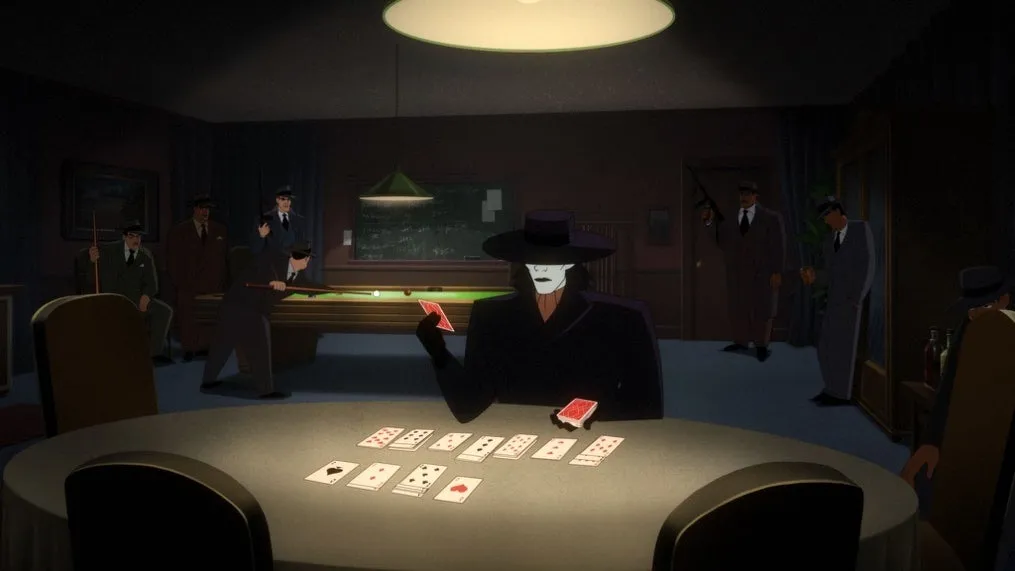
Matthew Needham voices The Joker in Batman: Caped Crusader Season 2
Prime Video confirms the casting from Comic-Con, with Season 2 launching July 31 alongside the new game.

Amazon’s Batman game launches July 31 with Prime, using phones as controllers
Batman: Caped Crusader - Chronicles drops alongside Season 2, and Prime members get it at no extra cost.