
Foreign Affairs maps how to unfreeze UN peacekeepers and restore relevance
The publication argues the UN can regain credibility by ending the paralysis that blocks peacekeeper action.

Foreign Affairs lays out a framework for “How to Save the UN From Irrelevance,” focused on “ending the peacekeeper’s paralysis.” For decision-makers, the implication is clear: UN legitimacy depends on whether peacekeeping can act decisively, not just authorize operations.
Foreign Affairs opens with a blunt premise: the UN is at risk of becoming irrelevant, and the mechanism is not abstract bureaucracy. The publication’s central move is specific. It frames the problem as “peacekeeper’s paralysis” and sets the headline goal as “How to Save the UN From Irrelevance” by ending that freeze in how peace operations function.
So the answer is not primarily about branding or speeches. It is about whether peacekeepers can actually do what their mandates require. “Ending the peacekeeper’s paralysis” is the conflict the piece chooses to foreground. In other words, the UN’s credibility is tied to operational reality: if peacekeepers cannot move, intervene, or protect civilians because of constraints in decision-making and mandate execution, then the institution slowly loses the ability to matter in the situations where it is deployed.
This matters for executives and board-level readers because the UN is not just a diplomatic club. It is a system that coordinates authorization, logistics, funding, and legitimacy for large-scale missions. In financial and operational terms, legitimacy is like liquidity. When it dries up, the institution becomes harder to fund, harder to staff, harder to coordinate with, and easier for member states to bypass. The second-order effect is that crises turn into patchwork responses rather than coordinated action.
What does “paralysis” usually mean in practice for peace operations? Without inventing details beyond the source’s framing, the concept signals a mismatch between what missions are expected to do and what they are able to do within political, legal, and command constraints. That mismatch can show up as delayed decisions, overly cautious rules, or constraints that prevent peacekeepers from acting at the moment the situation demands forceful presence. The UN can authorize a mission, but if the machinery that should convert authorization into action jams, then the institution’s deterrent effect disappears.
Regulatory dynamics are part of the backdrop. Peacekeeping sits at the intersection of member-state politics and international norms. Even the most competent field teams need authority, clear mandates, and political buy-in to operate under pressure. When member states disagree, mandates can become broad but non-committal, or conditional in ways that make timely action harder. That is how paralysis becomes institutional rather than accidental. It is not a single bad week. It becomes a pattern.
Now zoom out to the governance side, because “saving the UN” is also a board problem, even if the board is distributed across member states. Institutions remain relevant when they can deliver outcomes that stakeholders recognize as real. If peacekeeping is perceived as stuck, decision-makers respond by shifting resources elsewhere, tightening political support, or demanding reconfiguration. That is the institutional version of a downgrade: fewer partners, fewer clear signals, fewer incentives to take the UN’s role for granted.
The Foreign Affairs framing is therefore interesting beyond the UN itself. It is a stress test of how global governance systems stay effective under uncertainty. If peacekeepers are paralyzed, the UN loses leverage at exactly the time leverage is most needed. That can lead to a downward spiral where conflict parties learn that the UN cannot respond decisively, and member states see fewer benefits from investing in missions that cannot act.
For readers in leadership roles, the strategic stake is straightforward: credibility is operational. The piece’s core lesson, “ending the peacekeeper’s paralysis,” implies that legitimacy is not inherited. It is earned through the ability to translate mandates into action. Saving the UN from irrelevance, in this frame, is about making peacekeeping functional when the real test arrives. Otherwise, the UN risks being present without being consequential, which is the fastest route from authority to irrelevance.
This story's Key Insights and Take-aways are locked.
Create a free account to unlock Executive Actions for one credit.
Register to UnlockAlways free for Executives Club members. Join the Club
More in Politics

Glacial collapse, not rain, killed 180 in Nepal's Himalayan flood
The Himalaya's extreme geography hid the true cause of Nepal's catastrophic flood, a glacial collapse that turned a geological battleground into a mass-casualty zone.
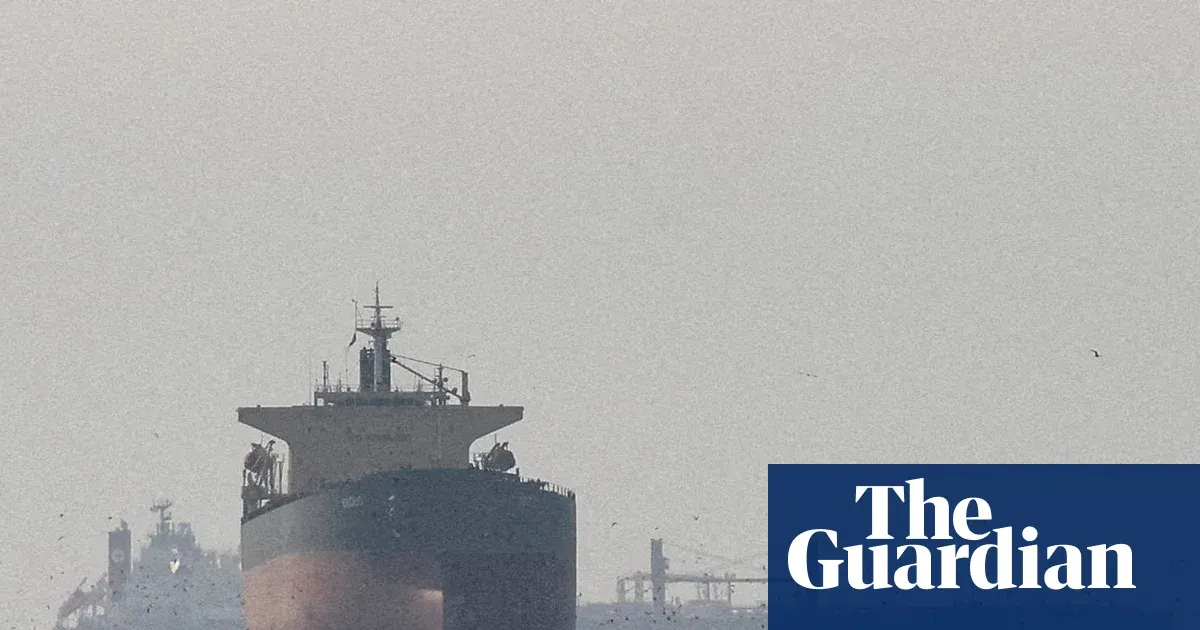
Iran’s Esmail Baghaei says Oman talks start shipping via Hormuz, not US talks yet
Temporary route plans with Oman aim to restart commerce while Tehran says Washington dialogue is not on the table.

Standards watchdog opens probe into Reform UK deputy leader Richard Tice over interests
The parliamentary standards commissioner says it began an investigation on 28 July into a possible undeclared interest.