
Fortinet signs Intel foundry's first named customer under Lip-Bu Tan
A security-chip deal is the first concrete customer signal for Intel’s foundry push since Lip-Bu Tan took over in March 2025.
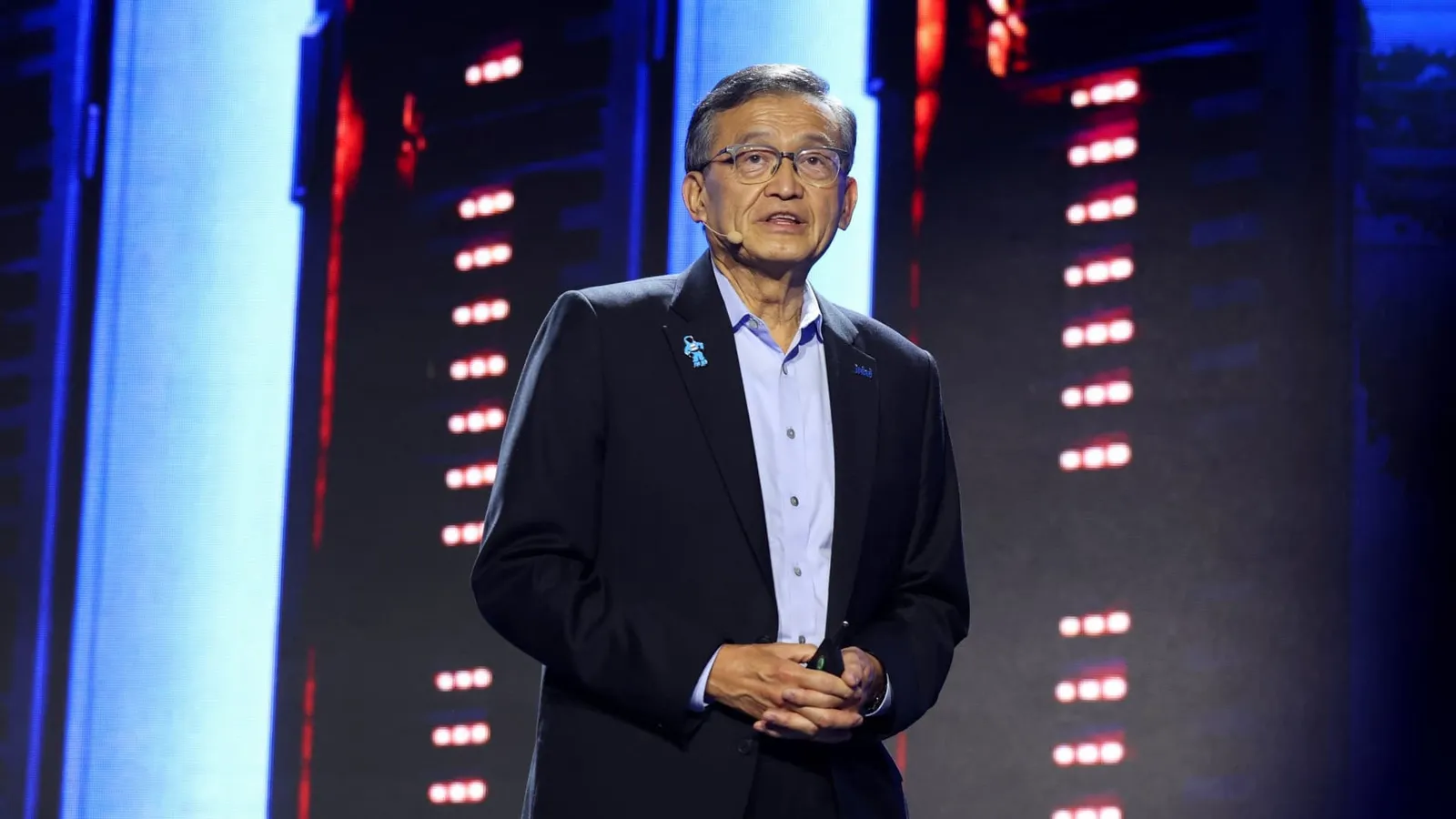
Fortinet is the first announced corporate customer for Intel's foundry under CEO Lip-Bu Tan, who took over in March 2025. For decision-makers, it is an early barometer of whether Intel can convert its foundry strategy into real, named demand.
Fortinet is the first announced corporate customer for Intel's foundry under CEO Lip-Bu Tan, after Tan took over Intel in March 2025. In plain terms: Intel is no longer just selling a vision for its contract-manufacturing business. It has a named customer, and that matters because foundry businesses are built on trust, timelines, and repeatable delivery.
This is also the kind of milestone investors and boards watch for when leadership changes. Tan became CEO in March 2025, and the first corporate customer announcement under his tenure is Fortinet. That makes the moment more than a press-release headline. It becomes a signal, at least directionally, that Intel’s foundry effort is attracting outside workload at the corporate level, not just internal programs or vague “future interest.” In the competitive world of chipmaking, named customers are the proof points that calm (or inflame) board-level debates about execution risk.
To understand why this is a big deal, it helps to remember how “foundry” works in practice. Most companies that design chips still need someone to manufacture them at scale, with the right process technology, yields, packaging, and long-term supply stability. For a corporate customer, the decision is rarely about one chip tape-out. It is about whether a manufacturing partner can keep producing consistent results as product cycles shift, security requirements evolve, and customers demand predictable delivery.
Fortinet, a security-focused company, signing on for “security chips” ties Intel’s foundry narrative to a category that does not wait around. Security products are embedded into networks and systems, and buyers typically want reliability, continuity, and performance that holds up over time. When a security company commits, it is effectively telling the market that its own roadmap can be supported by a foundry partner. That can influence how other security and infrastructure players interpret the manufacturing option set.
There is also a board dynamic embedded in this moment. A new CEO arriving in March 2025 inherits a scorecard, whether the company says it out loud or not. Foundry is expensive to build and time-consuming to mature, so early customer traction can shape internal expectations. If you are sitting on Intel’s board, you care about whether the foundry strategy is converting into named demand fast enough to justify continued investment. If you are on the customer side, you care about whether Intel is serious about delivering what it promises.
Second-order implications extend beyond Intel itself. In the broader chip ecosystem, customers and partners track which suppliers can pull through from strategy to implementation. A first named corporate customer is not the same as a massive multi-year ramp, and the source does not provide additional deal terms here. Still, it is a meaningful data point in a market where many “foundry” discussions have historically been abstract until contracts and production commitments appear.
For peers with similar ambitions, the lesson is straightforward. Foundry transitions are judged by customer conversion, not by PowerPoint. Executives at other tech and semiconductor companies can view Fortinet’s move as a reminder that credibility is built one signed customer at a time. And for decision-makers at companies that might become foundry customers themselves, the practical takeaway is to watch timelines, customer references, and the ability to sustain production. The real strategic stakes are whether Intel can turn early signals like this into repeatable wins that reduce execution uncertainty over the long run.
In the end, this is a small-sounding milestone with outsized meaning. Fortinet is Intel’s first announced corporate customer for its foundry under CEO Lip-Bu Tan, and that ties a named demand signal directly to a leadership transition that began in March 2025. In a business where “supply chain” is not just logistics but competitiveness, the next question is simple: will more named customers follow, and will the foundry story keep turning into deliverable work.
This story's Key Insights and Take-aways are locked.
Create a free account to unlock Executive Actions for one credit.
Register to UnlockAlways free for Executives Club members. Join the Club
More in Technology

Google quietly links your phone number to every Android account on your SIM
Adding a SIM now ties your phone number to all Google accounts - and future accounts inherit it. Here's the security and privacy stakes.

Hijacker AI 'Skynet mode' runs 100,000 attack steps against exposed models
Symantec caught a criminal AI agent that borrows other models, steals data, and mines crypto; the only relief is no confirmed victims yet.

Nvidia's AI-financier shift faces its first big test as neoclouds stumble
A rout in neocloud stocks is forcing investors to weigh Nvidia's hidden exposure as both supplier and lender to the AI buildout.