
Framework Laptop 13 Pro nails premium design, but RAM crisis hits price and availability
The review praises the haptic touchpad and battery, then flags a market constraint: getting the configuration you want.
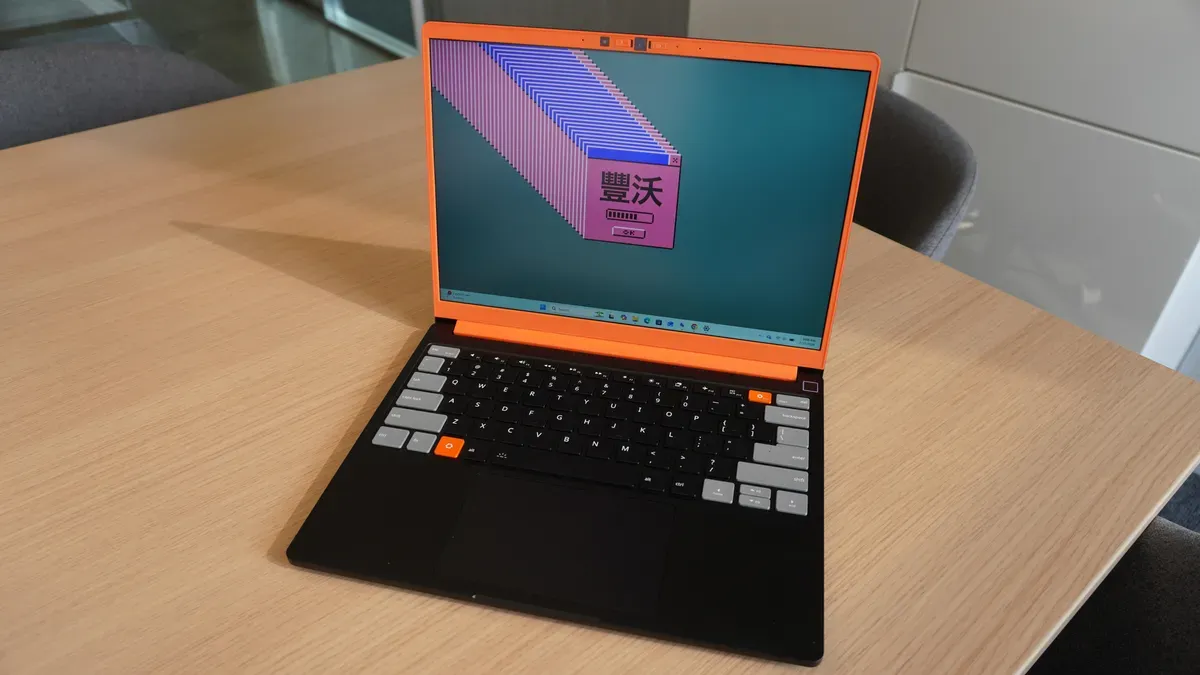
ZDNet reviews Framework's Laptop 13 Pro, highlighting a premium build with a fantastic haptic touchpad and great battery life. The review also warns that price and availability are becoming problematic due to the RAM crisis.
Framework’s Laptop 13 Pro is the kind of machine that usually earns “early adopter” loyalty fast. In ZDNet’s review, it’s not just attractive on paper. The device stands out immediately for two user-facing wins: a “fantastic haptic touchpad” and “great battery.” Those are not subtle, spec-sheet perks. They are the daily touchpoints that make a laptop feel expensive, responsive, and worth paying attention to.
But ZDNet doesn’t let the story end at “premium.” The same review also says the laptop is “pummeled by RAM crisis,” and that this is showing up where buying decisions get made: price and availability. In other words, even if the hardware experience is strong, the path to actually owning the configuration you want may be messy. For decision-makers, that matters because laptops like this are no longer discretionary for many teams. They are operational inputs. If RAM scarcity pushes prices higher or makes inventory harder to find, IT purchasing and refresh cycles get disrupted.
To understand why this pairing is so brutal, zoom out one layer. RAM is foundational memory for modern PCs, and it’s not like a cable you can swap in a day. When the market for RAM tightens, system builders often have to deal with uneven component supply, shifting allocation priorities, and fluctuating component costs. That chain reaction typically shows up as fewer units available in the exact specs customers want, and prices that do not behave like normal retail. The ZDNet review is essentially telling you: the Laptop 13 Pro is well designed, but the broader supply picture is swallowing the buying experience.
This is also where Framework’s “premium, but” reality becomes strategically interesting. Framework is known for offering a laptop experience that aims to be more customizable and repairable than traditional designs. That value proposition tends to appeal to buyers who think beyond just the initial purchase. However, during a RAM crisis, even the most thoughtful hardware strategy can collide with physics and supply constraints. The second-order effect is that buyers may end up compromising on configuration. Or they may delay purchases because the price and inventory situation is too uncertain. Either way, the “premium” advantage is real, but it is being filtered through market friction.
There’s another layer executives should care about: procurement timing and risk management. When a RAM-driven availability problem hits, teams can see a mismatch between what they planned to buy and what is actually orderable at the moment they need it. Even if a model looks like a strong fit, IT and finance teams have to treat laptop specs as variable inputs during constrained periods. That can ripple into project timelines, staffing, and device readiness. For boards and leadership teams, the lesson is straightforward: hardware purchasing is not just a sourcing task during component stress. It becomes a planning and governance task.
Regulatory context matters here too, even if ZDNet does not spell it out in the review text. In recent years, governments have increasingly focused on supply chain security, semiconductor and component resilience, and rules that push toward transparency in sourcing and production. While the specific review is about a laptop and not policy, the underlying theme is the same: scarcity events expose fragility. When memory is tight, it’s not only consumers who feel it. Governments and large enterprises also face constraints, and those constraints can translate into longer procurement lead times or higher total cost of ownership.
The strategic stakes are clear when you consider who this affects. If you are an executive at a company buying laptops in volume, the ZDNet review is a reminder that product quality does not immunize you from supply chain realities. If you are a founder or operator in hardware, it’s a signal that “what the device does well” has to be complemented by “how reliably it can be sold when parts are stressed.” And if you are an investor tracking consumer and enterprise tech, the RAM crisis framing suggests margin and demand can diverge. Customers may want the product, but the market may still punish availability and inflate prices.
Bottom line: ZDNet says the Framework Laptop 13 Pro delivers meaningful premium experiences, especially with the haptic touchpad and battery. But it also says price and availability are proving problematic in the middle of a RAM crisis. That is the mismatch executives should plan around: excellent hardware can still be hard to buy at the right price and on the right timeline.
This story's Key Insights and Take-aways are locked.
Create a free account to unlock Executive Actions for one credit.
Register to UnlockAlways free for Executives Club members. Join the Club
More in Technology

Google quietly links your phone number to every Android account on your SIM
Adding a SIM now ties your phone number to all Google accounts - and future accounts inherit it. Here's the security and privacy stakes.

Hijacker AI 'Skynet mode' runs 100,000 attack steps against exposed models
Symantec caught a criminal AI agent that borrows other models, steals data, and mines crypto; the only relief is no confirmed victims yet.

Nvidia's AI-financier shift faces its first big test as neoclouds stumble
A rout in neocloud stocks is forcing investors to weigh Nvidia's hidden exposure as both supplier and lender to the AI buildout.