

France and UK add border staff to prevent Channel chaos from EES face checks
Next weekend could bring miles of tailbacks unless new EES identity checks run smoothly or controls are adjusted.
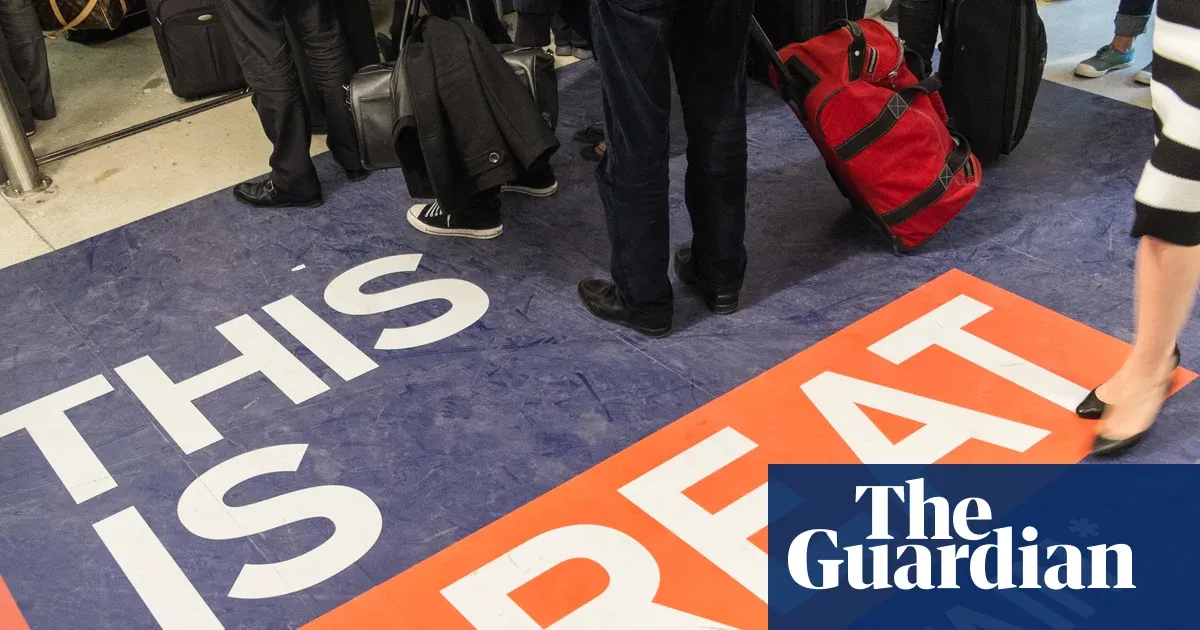
France and the UK have agreed to increase staffing at border controls in response to warnings of travel chaos tied to new fingerprinting and facial recognition checks linked to the EU’s entry-exit system (EES). The staffing push aims to keep Channel crossings from turning into a gridlock at the start of the summer holiday season.
France and the UK are increasing staffing at border controls to head off travel chaos expected to surge next weekend, when summer holiday travel typically spikes and new fingerprinting and facial recognition checks begin to bite. The operational pressure point is blunt: MPs warned there would be “utter chaos and miles of tailbacks” unless the EU’s entry-exit system (EES) is fixed or checks are suspended.
In other words, this is not just a policy footnote. It is a near-term readiness test for how identity tech meets real-world travel volumes. With Channel crossings a daily lifeline for families, workers, and businesses, any friction at the border can ripple outward quickly, turning a line into a multi-hour disruption and a predictable journey into a logistics headache. France and the UK are trying to buy time and capacity through staffing, because the consequences of a system that is not performing as intended are measured in missed trips, disrupted schedules, and cascading knock-on effects.
So what is driving the staffing scramble? The source ties the expected spike in disruption to new fingerprint and facial recognition checks. These checks are part of the EU’s EES, the entry-exit system that is meant to register entry and exit data for travelers. The operational reality, though, is that identity checks are only as fast and reliable as the workflow on the ground, including hardware, connectivity, and the ability to process edge cases without blowing up queues.
That is the core tension officials are trying to manage. On one side are regulators and policymakers pushing for stronger identity verification and standardized border processing. On the other side are border agencies running busy lanes with finite staff, where even small delays multiply dramatically during seasonal peaks. The source’s timing matters: disruption is expected to rise sharply next weekend at the start of the summer holiday season. Seasonal travel has a way of turning “a little slower” into “major backlog,” because the border does not get extra throughput when demand rises. It gets more lines.
MPs in the UK are essentially saying the system is fragile under load. The warning in the source about “utter chaos and miles of tailbacks” is political, but it also functions like a blunt operational forecast: if the EES is not fixed, or if checks are suspended, queues will be longer than normal and disruption will spread. That matters for decision-makers far beyond the politics. When border performance degrades, it stresses travel services and the businesses that rely on predictable crossing times.
Second-order implications show up quickly for the private sector. Ferry operators, transport and logistics firms, tour businesses, and even car hire and hospitality providers can feel it when travelers arrive late or re-route. Border slowdowns can also increase the cost of labor and resource planning, because schedules built around known crossing durations become unreliable. If disruptions are concentrated in a narrow window like next weekend, then the damage can be sudden and visible, which is exactly what boards hate: operational risk that is both acute and hard to hedge.
There is also a regulatory and reputational dimension. EES is an EU-level system, but France and the UK are the ones implementing and managing the border experience. The staffing response signals recognition that you cannot legislate speed. You have to make the process work in real time, at the choke points where travelers encounter the technology. Increasing staff is a practical mitigation, but it is also a signal that the system might still be stabilizing.
For executives in adjacent industries, the takeaway is that this is an “infrastructure of trust” story with immediate business consequences. Identity checks are becoming more common, and they typically bring better security and compliance. But the operational rollout is where the risk lives, especially when demand spikes. If EES checks do not behave smoothly, or if adjustments like suspending checks become necessary, the travel ecosystem will see disruptions that are hard to contain.
France and the UK are effectively trying to prevent an avoidable self-inflicted traffic jam by adding capacity right where it counts. Whether that prevents “miles of tailbacks” depends on how well fingerprinting and facial recognition checks perform under peak conditions. Either way, the next week or two will be a real-world stress test, and similar operational rollouts across Europe will watch closely.
This story's Key Insights and Take-aways are locked.
Create a free account to unlock Executive Actions for one credit.
Register to UnlockAlways free for Executives Club members. Join the Club
More in Politics

Glacial collapse, not rain, killed 180 in Nepal's Himalayan flood
The Himalaya's extreme geography hid the true cause of Nepal's catastrophic flood, a glacial collapse that turned a geological battleground into a mass-casualty zone.
Iran’s Esmail Baghaei says Oman talks start shipping via Hormuz, not US talks yet
Temporary route plans with Oman aim to restart commerce while Tehran says Washington dialogue is not on the table.

Standards watchdog opens probe into Reform UK deputy leader Richard Tice over interests
The parliamentary standards commissioner says it began an investigation on 28 July into a possible undeclared interest.