

Frances Berwick celebrates 20 years of Real Housewives with Season 20’s RHOC premiere
The Bravo and Peacock Unscripted chair looks back on the franchise origin, then frames what comes next for Summer House spinoff In The City.
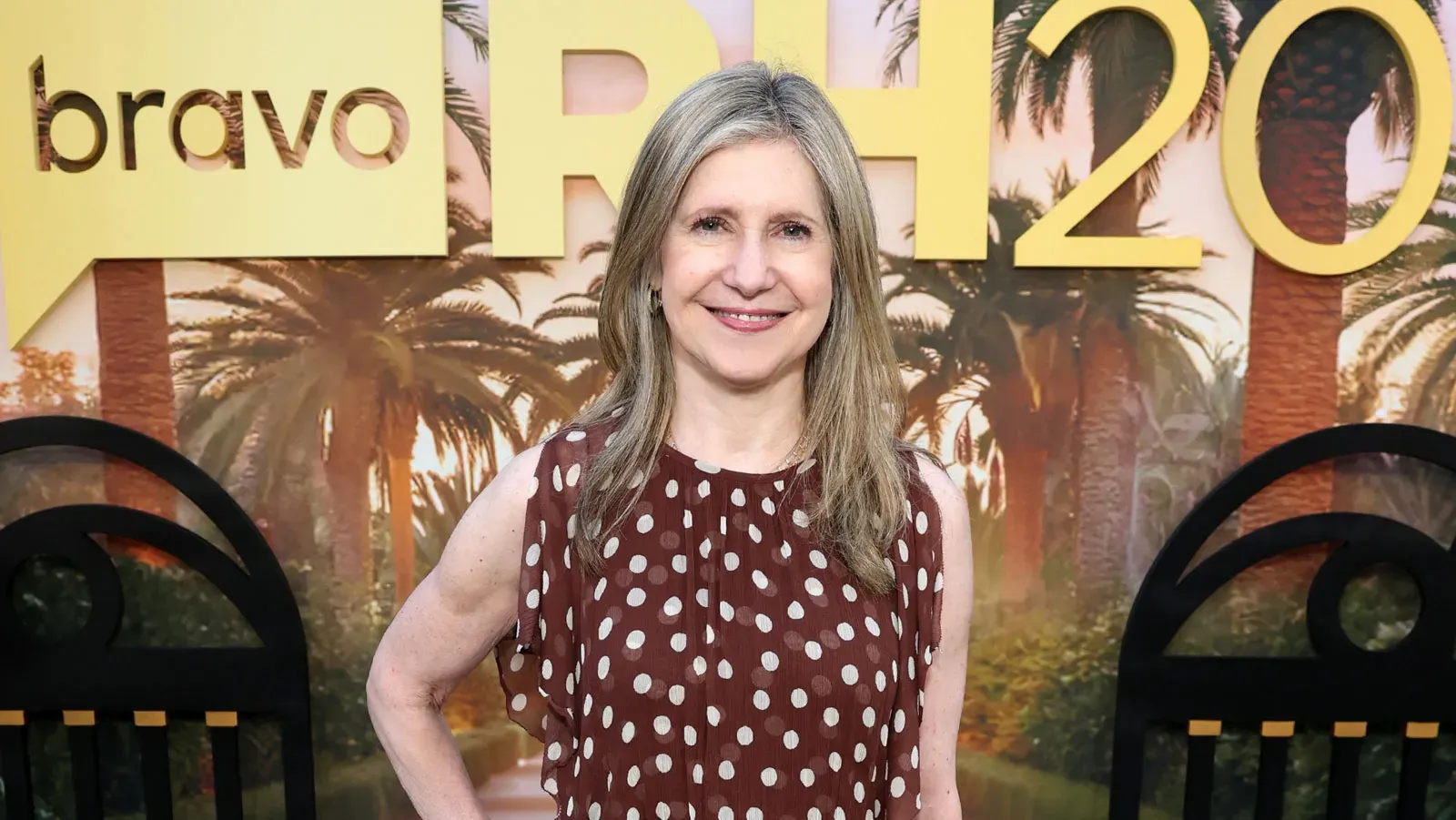
Frances Berwick, Chairman of Bravo & Peacock Unscripted, spoke at the premiere of The Real Housewives of Orange County (RHOC) Season 20 about the franchise’s 20-year milestone. Her comments also touch the direction of the Summer House spinoff, In The City, and what sustaining a reality brand for two decades actually takes.
Frances Berwick, Chairman, Bravo & Peacock Unscripted, has been part of the Real Housewives story since the beginning. At the premiere of RHOC Season 20, she marked the franchise’s 20 years with a simple reality: the show that launched everything is still driving the culture, and it is still doing it at franchise scale, starting with Season 20 of The Real Housewives of Orange County.
For decision-makers in media and adjacent categories, that matters because reality TV is not just entertainment anymore. It is a repeatable audience engine with long-running production cycles, brand equity, and a predictable pipeline of content that can be extended, remixed, and spun into new properties. The executive challenge is keeping that engine hot without burning out the audience or the production model. Berwick’s presence at the premiere signals Bravo’s intent to treat this milestone like something more than a nostalgia reel.
The Real Housewives franchise is celebrating 20 years with Season 20 of the show that started it all, RHOC. That framing is important. When a property reaches a 20-year mark, the question stops being “will it work?” and becomes “how does it stay relevant?” Reality brands typically evolve through casting, setting, and tone shifts, but the core promise stays stable: personality-driven storytelling with social dynamics that viewers recognize instantly. In other words, the machine still needs fresh inputs, even if the blueprint is familiar.
There is also a portfolio logic at work behind the scenes. Berwick leads Bravo and Peacock Unscripted, which places her at the intersection of linear cable brand stewardship and streaming-era distribution expectations. A 20-year anniversary is not just a celebration. It is a proof point for investors, ad partners, and internal stakeholders that the franchise is durable across changing consumption habits. For peers managing large entertainment portfolios, the strategic takeaway is that longevity is an operational discipline, not a stroke of luck.
Then there is the forward path, and the source points directly there through the Summer House spinoff In The City. When a company greenlights or positions a spinoff during a milestone moment, it is effectively using attention from the legacy hit to carry momentum into the next wave. That matters for scheduling and marketing. Spinoffs can struggle if they feel derivative, but they can also benefit from the audience trust built by the parent brand. The real test for execs is whether the spinoff can earn its own identity while still feeling like the “next chapter” of something viewers already love.
Even if the details in the source are limited, the structure of the moment is clear: Berwick is anchoring the franchise celebration and also pointing the conversation toward what comes next in the Bravo universe. In media strategy, timing is rarely random. Launching broader brand messaging around RHOC Season 20, while also referencing In The City, implies an integrated plan that treats reality programming as a connected ecosystem rather than isolated seasons.
For boards and senior management teams, this is where the stakes get real. Long-running reality franchises come with second-order financial and operational implications. They require stable talent pipelines, production teams that know the rhythm of the format, and brand-safe decisions that protect advertiser confidence. They also require continuous audience research and risk management, because small shifts in tone or pacing can change the viewing experience. A 20-year milestone is a chance to reaffirm trust internally: the franchise is still generating that trust, and leadership is still actively steering it.
So the practical question for other executives is not “should we celebrate anniversaries?” It is whether leadership is using that attention to reinforce strategy. Berwick’s role and her comments at the RHOC Season 20 premiere highlight the same core challenge every entertainment executive faces: sustaining a beloved brand, growing it through new extensions like In The City, and doing it in a way that keeps the audience engaged when the novelty of the early seasons is long gone. Twenty years in, the industry lesson is that relevance is built, not inherited.
This story's Key Insights and Take-aways are locked.
Create a free account to unlock Executive Actions for one credit.
Register to UnlockAlways free for Executives Club members. Join the Club
More in Entertainment

Halo: Campaign Evolved rebuilds the original in Unreal Engine 5, setting a remake benchmark
A full Unreal Engine 5 remake shows how studios can modernize legacy hits without erasing what made them great.
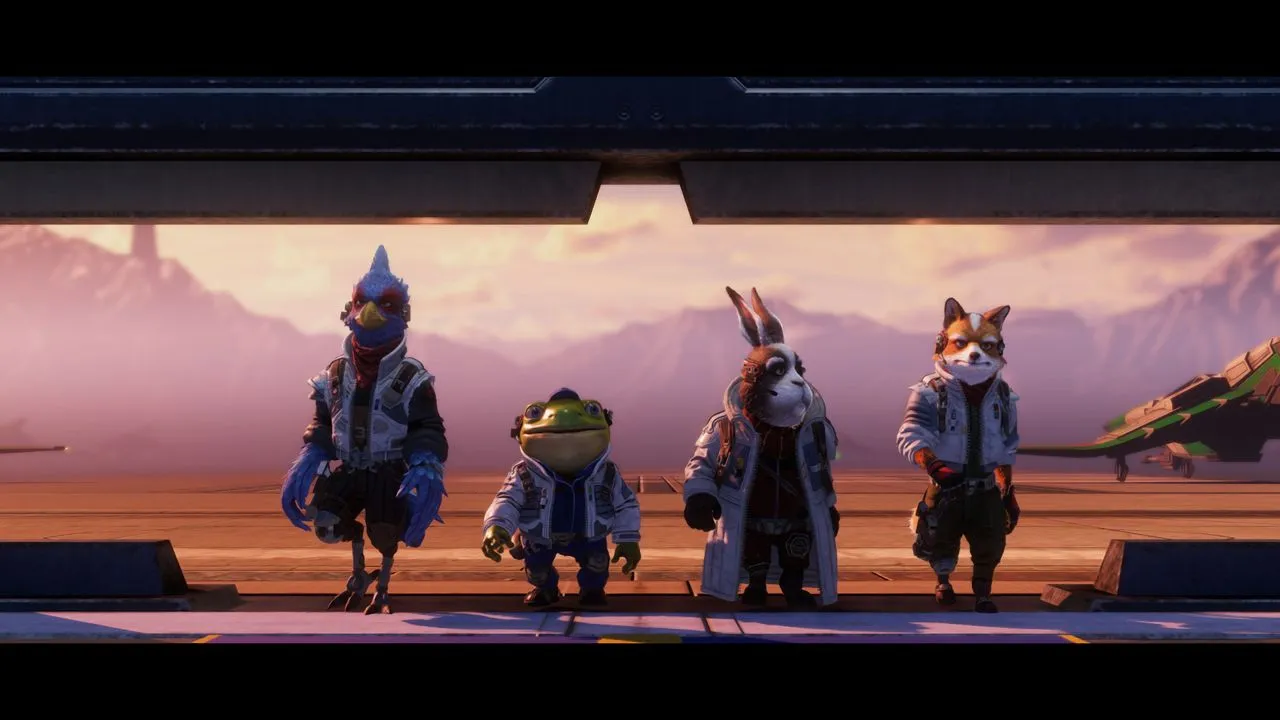
Miyamoto admits The Super Mario Galaxy Movie directly triggered Star Fox 64 Remake and Yoshi game
The director ties game releases to movie casting, with Nintendo treating synergy as a two-way development pipeline.

Amazon makes Luna games free on Fire TV for Prime members in U.S. and UK
A no-extra-charge add-on expands Luna access on Fire TV, signaling Amazon's next gaming bet after last year's relaunch.