
Fuse Games turns Star Wars racing into roguelike runs where crashes can end your session
A hands-on look at Star Wars: Galactic Racer shows how run-based consequences reshape racing mastery, upgrades, and vehicle feel.
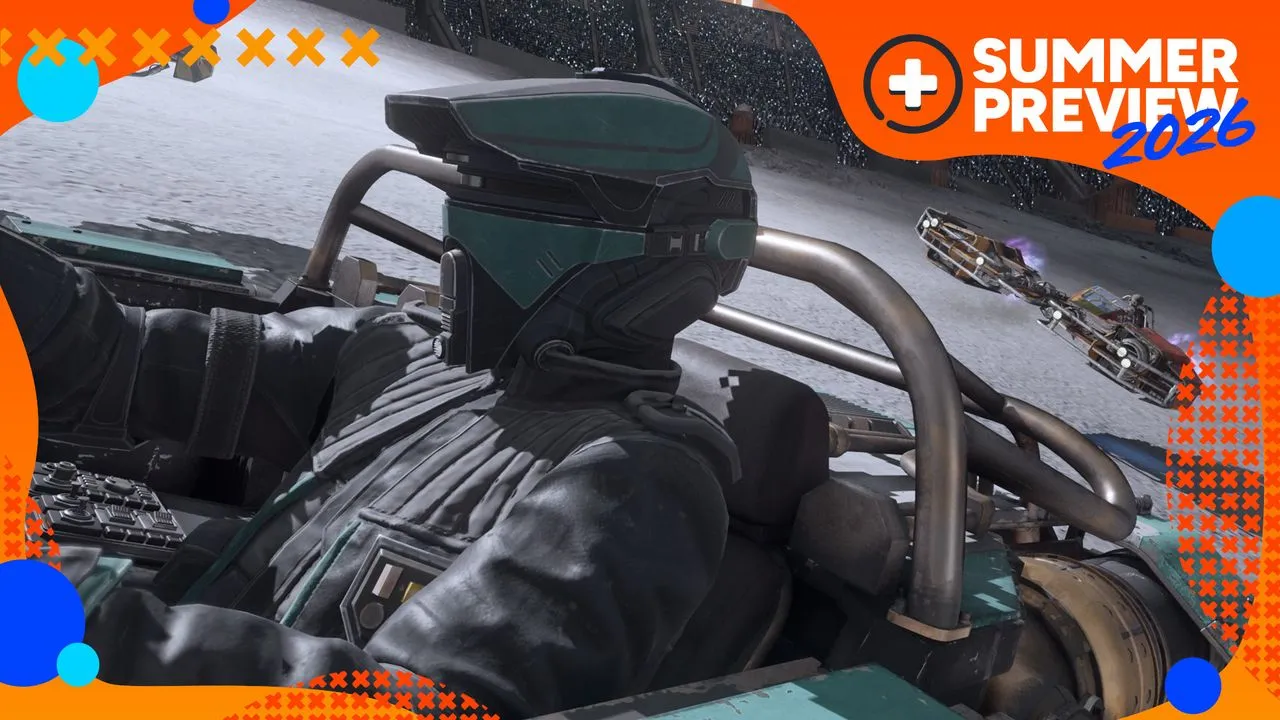
Fuse Games founder and CEO Matt Webster says Galactic Racer is built as a roguelike-style, run-based campaign designed to make every collision feel consequential. For decision-makers, the pitch is clear: it uses racing replayability as the engine for risk, progression, and retention.
Star Wars: Galactic Racer is trying something bold in a space that usually goes for “just one more race.” The game builds its campaign on a roguelike-style, run-based structure where a bad run can snap you back to the start. After an hour of hands-on time at Summer Game Fest, the key promise landed fast: this is racing with white-knuckle stakes, where you are not just driving to finish, you are driving to survive the run.
In practice, each run follows a tree of events, forcing decisions at every branch. You can pick a standard race, an eliminator challenge, or a mystery event, and the game tracks whether you fail to finish in the required position or crash three times in one event. If you miss the placement requirement or rack up three crashes in that event, you are out, and you restart the tour. Fuse Games founder and CEO Matt Webster frames it as a missing ingredient in racing games: when you crash or hit something, the player should feel that there is consequence to it, not just a reset with no narrative weight behind it.
If you are an exec watching what gets funded and what gets played, this is a recognizable product bet. Racing is naturally replayable because mastery improves lap-by-lap, and because players want to test limits. The interesting part here is that Galactic Racer is trying to “breathe some new life into racing” by pairing that replayability with a progression system designed to reward the choices you make along the way. The game’s director logic is basically: give players incentives to care about route selection and build decisions mid-run because the system makes mistakes expensive.
That matters because it changes how upgrades and decision-making land. Between races, you get upgrades, and the writer’s hands-on experience suggests those upgrades feel more impactful when one mistake can force a full restart. In other words, the game is not just layering difficulty for sport. It is turning racing into a campaign loop where risk and reward are visible, and where your route through the event tree shapes your chance of advancing.
The foundation is still the same thing racing players demand: it has to feel great to control. Galactic Racer lets you choose one of three craft types: the all-around landspeeder, the boatlike skim speeder, or the small, darting speeder bike. Each is distinct, including unique drift mechanics for taking turns more efficiently. But the vehicles share two boost systems, and those systems are where the “consequence” idea becomes physical, not just structural.
There is an afterburner that recharges over time for a quick boost, like you would expect from an arcade-style racer. Then there is the ramjet, which separately charges over time and has to be primed with a separate button press. The ramjet shoots you off at out-of-control speeds with enough force that you can shunt opposing racers into walls, producing the kind of spectacular crashes that racing fans actively seek. The trade-off is deliberate: if you use it too long, your engine overheats and blows the vehicle up, sending your own run into the ground if you are not careful.
Fuse Games also leans on known arcade influence without pretending it invented speed chaos from scratch. Webster points out the team has experience making Burnout games and Need for Speed games, and the hands-on describes Burnout-style inspiration in the slow-motion cutaways that let you indulge in vehicular carnage for a few seconds before returning to the race. There is also a MotorStorm vibe in the mixed vehicle classes competing together in a race, even though the standard tracks omit one element: podracers. Those podracer segments are treated as a special treat, available either from the main menu or as part of the campaign in a “fun and interesting way” that Webster did not spoil.
Finally, there is the Star Wars identity layer, and it is not just skin-deep. In the hands-on time, podracing is described as a massive speed shift, like moving from street racing to screaming down the highway in a supercar. The writer also reports persistent difficulty early on, struggling to get through an entire lap without smashing into a rock wall, while still finding the best stretches “extremely satisfying.” Playing as Sebulba adds character-specific flavor, since his racer’s flame jets can be used against nearby opponents. The game also includes tactile touches like starting up your vehicle, plus a paddock space between races to chat with NPCs.
For peers in games leadership, the strategic stake is simple: Galactic Racer is betting that the next wave of engagement in racing will come from combining familiar vehicle physics and arcade intensity with a run-based campaign that punishes mistakes. The company is putting the “consequence” thesis in the player loop itself, not just in the marketing copy. And if it works, it suggests a broader pattern executives will want to watch closely: replayability is not enough anymore. The replay has to mean something, and the genre has to teach players that every decision has a cost.
This story's Key Insights and Take-aways are locked.
Create a free account to unlock Executive Actions for one credit.
Register to UnlockAlways free for Executives Club members. Join the Club
More in Business

Accenture’s $4.18bn play fails as AI fears spark a 20% worst-ever stock plunge
On Thursday, Accenture hit its biggest one-day drop on record after forecasting worries that AI could hollow out consulting.

SpaceX stock jumps 3% after it overtakes Amazon’s market cap
CNBC says SpaceX’s shares surge following its IPO Friday, forcing investors to reprice what “space” and “AI” are worth.
SpaceX’s first options day breaks U.S. records after a $85B IPO win
Big IPO, bigger options debut: what it means for investors, risk teams, and anyone benchmarking market appetite.